



You're checking the weather app on your phone, seeing “50% chance of rain” at your destination, and already bracing yourself for a bumpy flight.
I’m checking something completely different.
In fact, the weather tool I use before every flight is free, more accurate than any consumer app, and will tell you exactly what to expect at 35,000 feet, not just on the ground.
Here’s what 27 years of flying has taught me: The weather that matters for your flight isn’t the weather you see out your window.
The Problem with Normal Weather Apps
Last month, a nervous flyer emailed me in a panic. “Captain Nick, there’s a huge storm system over Chicago and we’re flying through tomorrow. Should I cancel my flight?”
I checked her route. Clear flying all the way.
The storm she saw on her weather app? It was at ground level. She would be cruising 2 miles above it in smooth air.
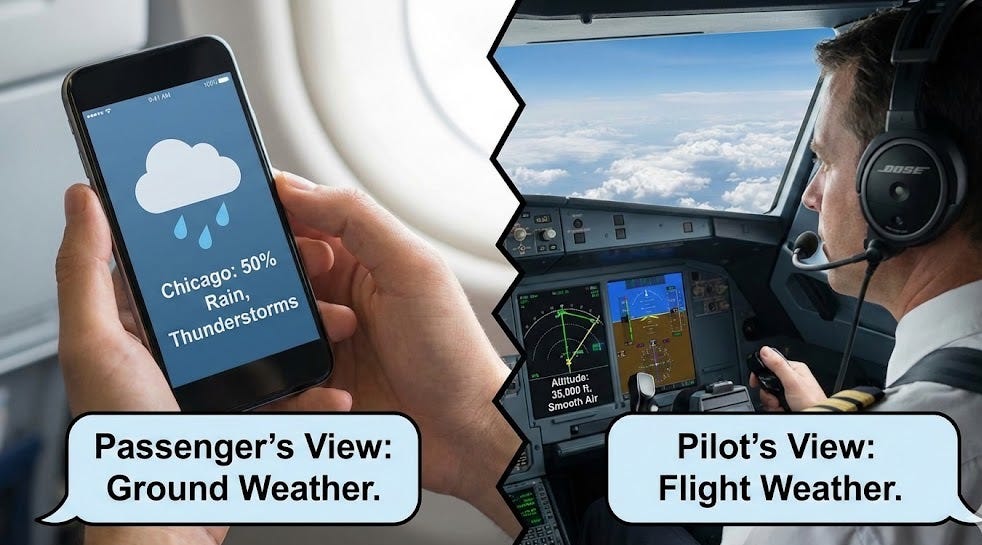
This happens all the time. Passengers check the wrong weather, worry about the wrong things, and miss what actually matters.
Here’s what most people don’t understand:
☁️ Ground weather ≠ Flight weather: That thunderstorm on your app might be at 25,000 feet. We’re at 37,000 feet.
🌪️ “Windy” doesn’t mean turbulent: 100 mph winds at altitude are normal and smooth.
🌧️ Rain at your destination doesn’t affect your flight (we land in rain constantly)
⛈️ “Severe weather” on TV is usually not on our route
The weather that matters for flying is happening between 20,000 and 40,000 feet. Your weather app has no idea what’s up there.
What I Actually Check Before Every Flight
After more than 10,000 flights through every weather condition imaginable, I’ve refined my pre-flight weather check to 3 free tools that tell me everything I need to know.
Now, full transparency: As a commercial pilot, I also have access to proprietary forecasting systems and paid services that the public can’t access, advanced radar systems, real-time atmospheric data feeds, and airline-specific weather briefings that cost thousands of dollars per year.
But here’s what I’ve learned: For passengers who want to understand their flight conditions, these 3 free tools give you 90% of what you need to know. They’re the same foundational resources airline dispatch uses, just packaged for professionals.
And you can access them right now.
🛠️ THE PILOT’S WEATHER TOOLKIT
TOOL #1: Aviation Weather Center
Website: aviationweather.gov
What it does: Official FAA weather for pilots
Why pilots love it: Real-time conditions at flight altitudes
How to Use It:
Step 1: Go to aviationweather.gov
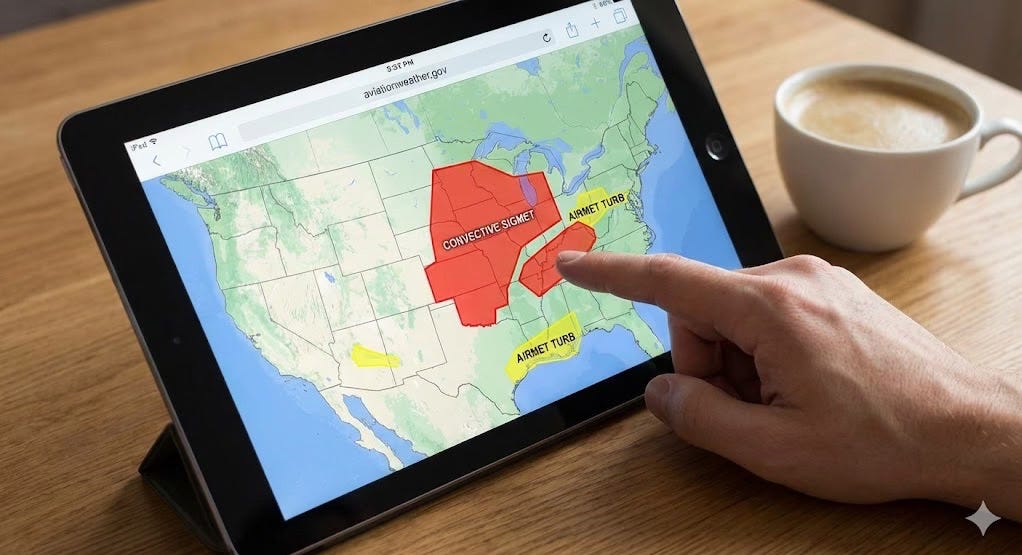
Step 2: Click on “SIGMETs/AIRMETs” (left sidebar)
SIGMET = Significant Meteorological Information (the serious stuff)
AIRMET = Airmen’s Meteorological Information (moderate conditions)
Step 3: Look at the map for your route
Red areas = Active significant weather
Yellow areas = Moderate turbulence or icing
No colors = Smooth sailing
What I’m Looking For:
Convective SIGMETs (thunderstorms at altitude)
Turbulence AIRMETs along my route
Icing conditions (winter flights)
Real Example:
Tomorrow’s flight from LAX to JFK:
✅ West Coast: Clear
⚠️ Over Kansas: Moderate turbulence AIRMET (expected, not concerning)
✅ East Coast: Clear
My Assessment: One brief bumpy section over the Midwest, otherwise smooth
TOOL #2: Turbulence Forecast
Website: turbulenceforecast.com
What it does: Predicts turbulence worldwide
Why pilots love it: Visual, easy to understand
How to Use It:
Step 1: Select your flight altitude
Most commercial flights: 30,000-40,000 feet
Select “FL340” (34,000 feet) for typical cruise
Step 2: Check the color coding
🟢 Green = Smooth (light chop at most)
🟡 Yellow = Light turbulence (annoying but safe)
🟠 Orange = Moderate turbulence (flight attendants sit down)
🔴 Red = Severe turbulence (rare, we avoid it)
Step 3: Trace your route on the map
Pro Tip from the Cockpit:
Light turbulence (yellow) = Coffee might slosh a bit
Moderate turbulence (orange) = We turn on seatbelt sign
Severe turbulence (red) = We ask air traffic control for a different altitude
What This Means for You: If your route shows mostly green with some yellow patches, that’s a completely normal flight. We fly through light turbulence every single day.
TOOL #3: Windy.com
Website: windy.com
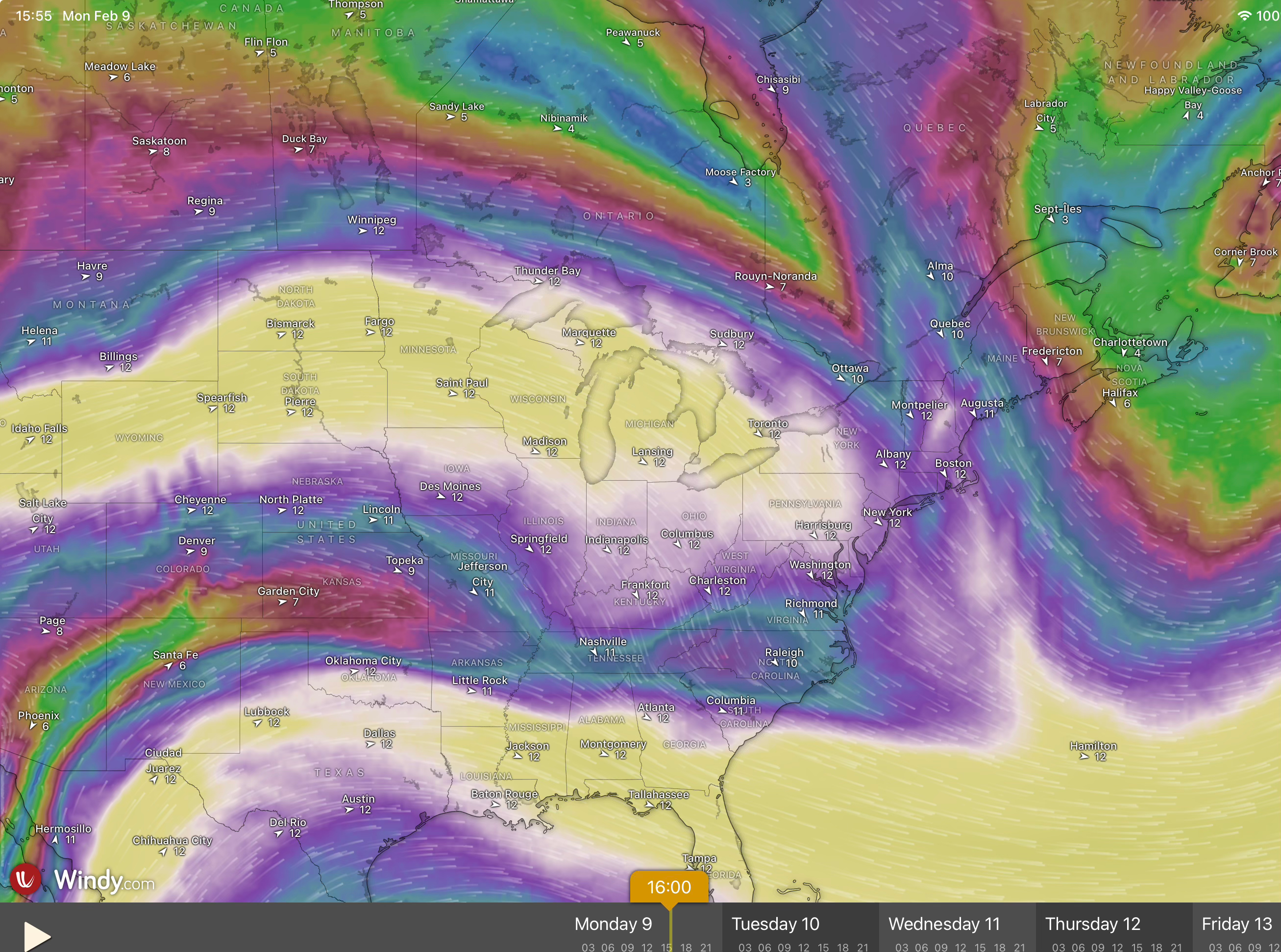
What it does: Beautiful visualization of wind and weather patterns
Why this is my favorite: Most intuitive interface, perfect for non-pilots
How to Use It:
Step 1: Go to windy.com
Step 2: Enable these layers (bottom right corner):
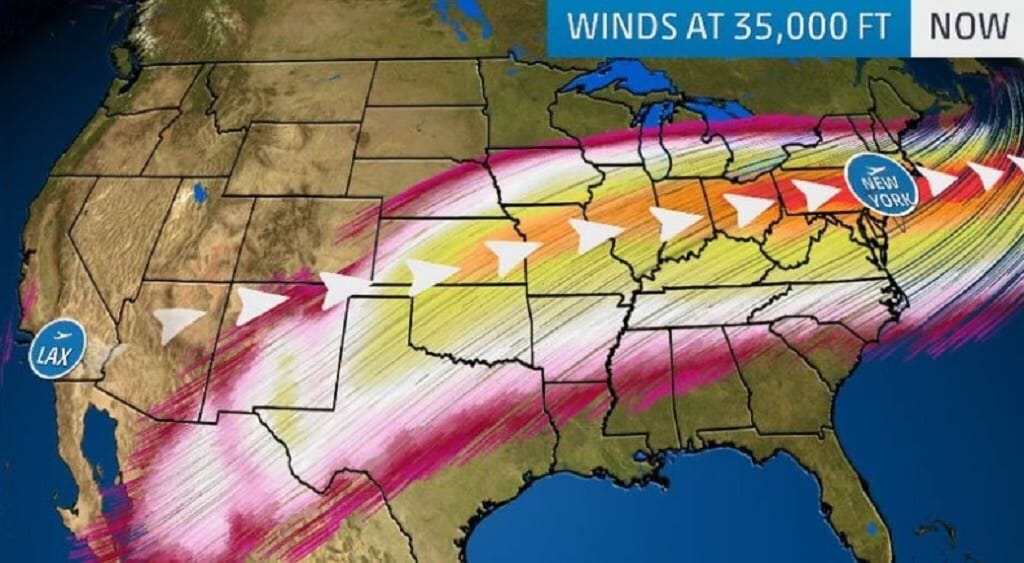
Wind (shows jet stream)
Clouds
Rain/Thunder
Step 3: Adjust altitude
Move the altitude slider to “250 hPa” (roughly 34,000 feet)
This shows you wind at cruise altitude
Step 4: Click “Play” to see weather moving along your route
What I’m Looking For:
Jet stream position (we use it for tailwinds!)
Cloud tops (we fly above them)
Convective activity (thunderstorms)
The Coolest Feature:
You can actually watch weather systems move and predict what your flight will look like in 6, 12, 24 hours.
Real Pilot Secret:
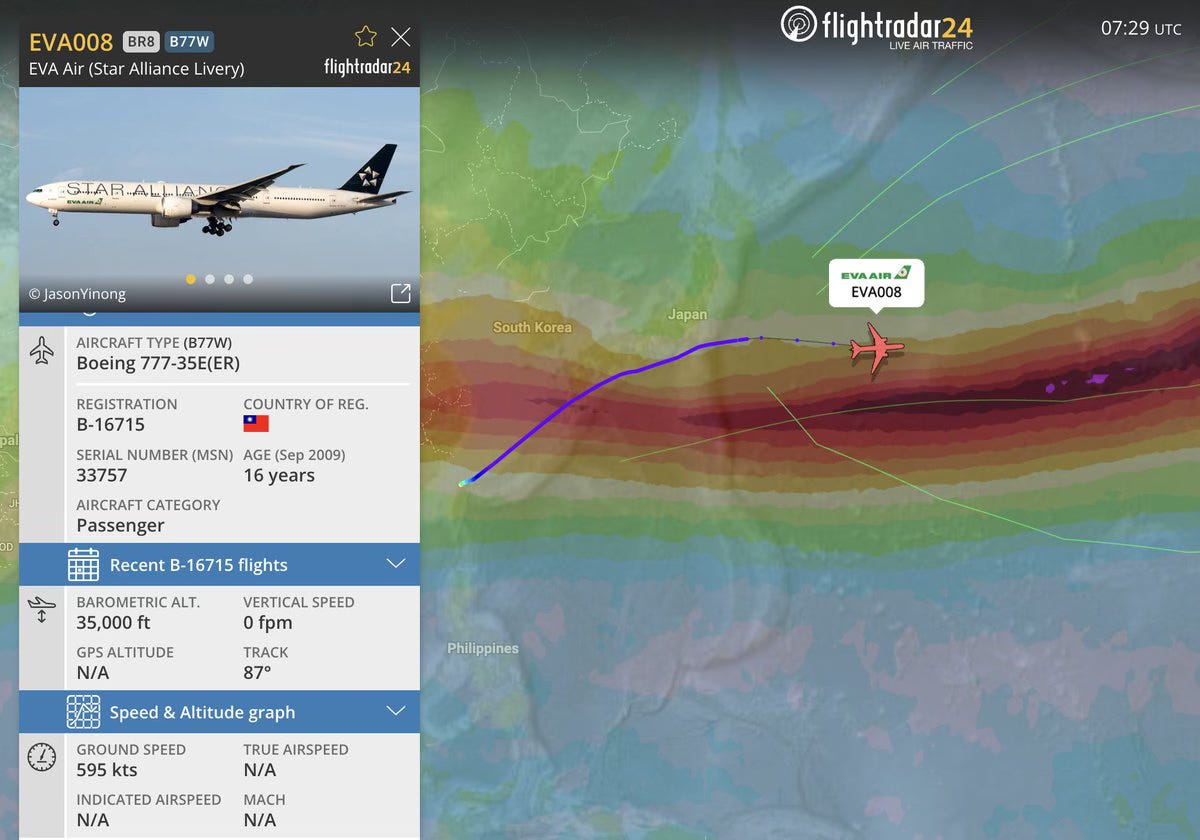
Those massive wind arrows you see? That’s the jet stream. When it’s at our back (tailwinds), we can arrive 30-45 minutes early. When it’s in our face (headwinds), we might arrive a bit late. The turbulence associated with the jet stream is usually light and brief.
📋 MY EXACT PRE-FLIGHT WEATHER CHECK PROCESS
Here’s what I do the night before every flight (takes 5 minutes):
✅ The Captain Nick Weather Checklist:
[ ] Step 1: Open aviationweather.gov
Check SIGMETs for my route
Look for any red flags (convective activity, severe icing)
[ ] Step 2: Open turbulenceforecast.com
Select FL340 (34,000 feet)
Trace my route
Note any orange/red areas
[ ] Step 3: Open windy.com
Set altitude to 250 hPa
Check jet stream position
Look for storm systems
[ ] Step 4: Set realistic expectations
Smooth flight = All green, clear weather
Normal flight = Some yellow, brief bumps
Bumpy flight = Orange patches, tighten seatbelt
Rough flight = Red areas (extremely rare, we avoid these)
[ ] Step 5: Relax
99% of flights have zero to light turbulence
Even “moderate” turbulence is safe (just uncomfortable)
Severe turbulence is so rare, I’ve never encountered it in 27 years
🎯 LET’S PRACTICE: CHECK YOUR NEXT FLIGHT
Try This Right Now:
Think of your next flight (or pick any route)
Open all three tools
Check the weather along that route
Reply to this email and tell me what you find
I’ll personally respond and tell you exactly what to expect.
Seriously send me:
Your departure city
Your destination
Your travel date
I’ll check the pilot weather and give you my professional assessment. This is how you turn anxiety into understanding.
💡 WHAT WEATHER ACTUALLY MAKES ME CONCERNED
After 27 years and 10,000+ flights, here’s my honest assessment:
Weather I Fly Through Without a Second Thought:
✅ Rain at departure/destination
✅ Light to moderate turbulence forecasts
✅ Clouds (we fly above/around them)
✅ Wind (even 150+ mph at altitude is normal)
✅ Snow (in most conditions)
Weather That Makes Me Plan Differently:
⚠️ Thunderstorm lines along my route (we deviate around)
⚠️ Severe turbulence forecasts (we change altitude)
⚠️ Heavy icing conditions (we use de-ice systems)
⚠️ Low visibility at destination (we use instruments)
Weather That’s Actually Concerning:
🚨 Multiple severe thunderstorm cells blocking all routing options
🚨 Volcanic ash (we avoid completely)
🚨 Severe windshear at destination (very rare)
Here’s the truth: In 27 years, I’ve only cancelled/significantly delayed a flight due to weather maybe 10-15 times. We’re equipped for almost everything.
🧠 WHY KNOWING THE FORECAST REDUCES ANXIETY
Research shows that uncertainty drives anxiety more than actual danger.
When you check pilot weather tools:
You know what’s coming (vs. wondering)
You understand it’s normal (vs. assuming it’s dangerous)
You see what pilots see (vs. feeling helpless)
One of my subscribers told me: “I checked the turbulence forecast before my flight like you showed me. When we hit that bumpy section over Denver, I wasn’t scared, I was expecting it. I even looked at my watch and thought, ‘Yep, right on schedule.’ That simple knowledge changed everything.”
This is the power of information.
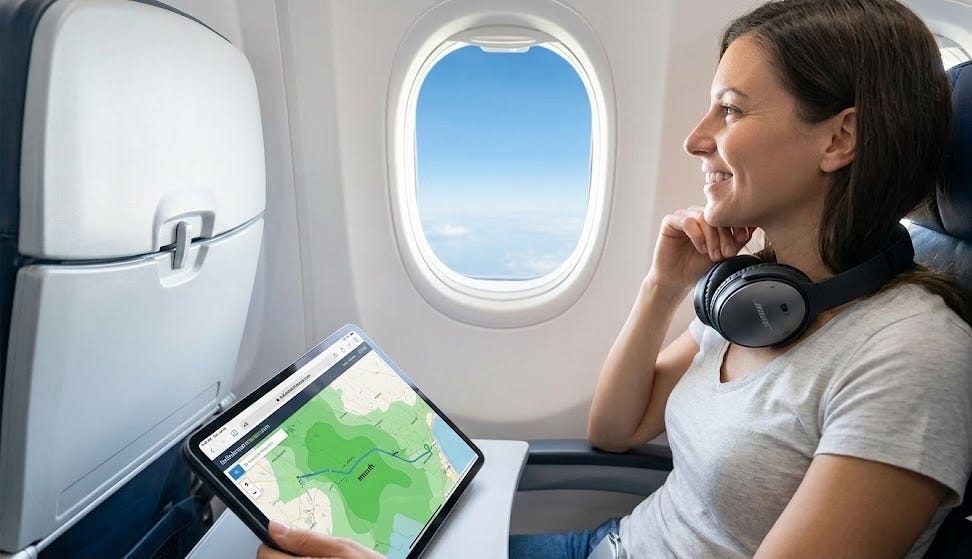
🎁 BONUS: Your Personal Flight Weather Report
Want me to check the weather for your specific flight?
For Everyone:
Quick Weather Analysis - $9.99
Pilot-level weather analysis for your route
What to expect and when
Whether your flight will be smooth, normal, or bumpy
Specific tips based on forecast conditions
For Premium Members:
You get 1 FREE personalized weather report per year!
Just reply to this email with your flight details
I’ll check all three tools for you
You’ll get my complete pilot assessment
Use it anytime—it’s included in your membership
🎯 FOR ANXIOUS FLYERS: Go Beyond Tools — Get Personal Support
Weather tools help you prepare. But what if you need more?
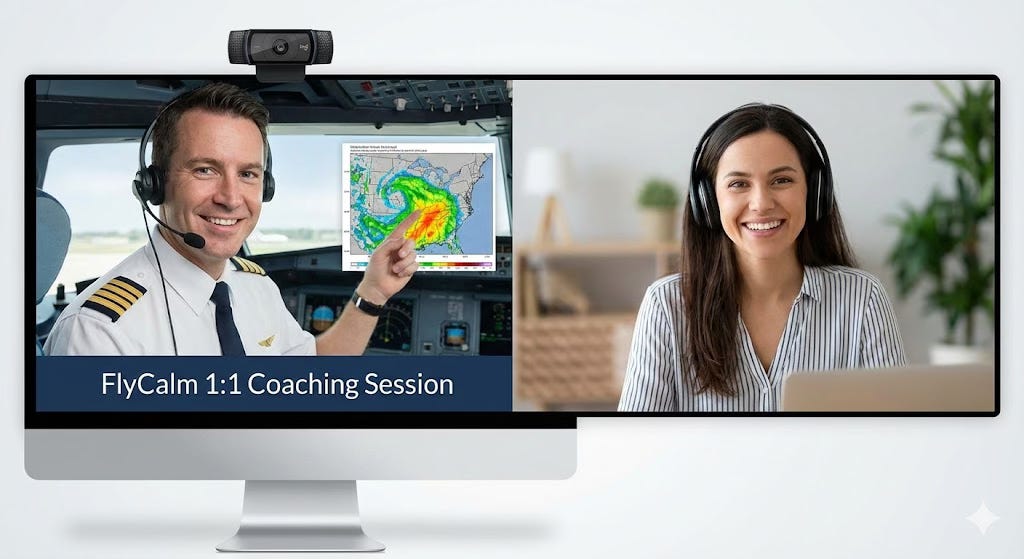
If you have a flight coming up and the anxiety is already building even after checking the weather, I offer FlyCalm Reassurance Coaching.
This is not therapy. This is not a course you watch once and forget.
This is you and me, one-on-one, before your flight.
Here’s What You Get:
✅ Private 1:1 video call (20-30 minutes) where I answer every question about your upcoming flight—the aircraft, the route, what to expect
✅ Personalized weather & turbulence briefing for your exact travel day (using the tools I just taught you, but interpreted specifically for your anxiety triggers)
✅ Custom calm flight plan tailored to your specific fears, breathing tools, mental strategies, and what to focus on during each phase of flight
✅ Real-time reassurance on your travel day via voice notes or messages, I’m in your pocket when you need it most
By the time you board, you won’t be guessing what’s happening around you. And when you understand, fear loses its power.
Investment:
Regular Rate: $229
Special Newsletter Reader Rate: $179 (Save $50
🎁 BONUS for First 3 Bookings:
Complete Fearless Flying Masterclass (normally $99) — FREE
Total Value: $328
Your Price: $179
This Is For You If:
✅ You have a flight coming up in the next 1-3 months
✅ The anxiety is already building
✅ You’ve tried apps and “just relax” advice, it hasn’t helped
✅ You want clear, honest answers from someone who actually flies the plane
✅ You’re ready to make 2026 the year you finally fly calm
This Is NOT For You If:
❌ You’re looking for therapy or medical treatment (I’m a pilot, not a therapist)
❌ You’re already comfortable flying and just curious
What Past Clients Say:
💬 “I hadn’t flown in 8 years because of anxiety. After one session with Captain Nick, I flew to Europe for my daughter’s wedding. I actually enjoyed the flight.” — Jennifer M.
💬 “The weather briefing alone was worth it. Knowing exactly what to expect removed 90% of my anxiety. The rest of the coaching handled the other 10%.” — David K.
💬 “I used to take Xanax before every flight. After working with Captain Nick, I don’t need it anymore. Understanding what’s happening changed everything.” — Rachel S.
My Personal Guarantee:
If after our coaching session you don’t feel more prepared and less anxious about your flight, I’ll refund 100% of your investment. No questions asked. No hard feelings.
I’ve coached dozens of anxious flyers. Not one has asked for a refund. Because when you understand what’s happening, fear loses its power.
Ready to Make This Your Fear-Free Year?
👉 Book Your FlyCalm Coaching Session Now
⚠️ I only offer 10 FlyCalm coaching sessions per month to keep every session personal and unhurried.
Remember: Only the first 3 bookings include the free Masterclass ($99 value).
✈️ THE BOTTOM LINE
Stop checking weather apps that show ground conditions.
Start checking the weather that actually matters, the weather at 35,000 feet.
The three free tools:
aviationweather.gov - Official pilot weather
turbulenceforecast.com - Visual turbulence predictions
windy.com - Beautiful, intuitive interface
This 5-minute check will give you more useful information than hours of worrying.
📚 RELATED READING
If you found this helpful, you might also like:
Pilot’s Secret for a Smooth Flight: Sit Here. Most Passengers Never Think of It - Where to sit to minimize turbulence
I’m an Airline Pilot. These 5 Airplane Sounds Terrify Passengers—But Here’s Why I’m Never Worried - Demystifying in-flight noises
🎯 TAKE ACTION NOW
Your 30-Second Weather Check:
Before your next flight, spend just 30 seconds on turbulenceforecast.com:
Select FL340
Find your route
Note the colors
That’s it.
You’ll know more about your flight conditions than 99% of passengers.
💬 YOUR TURN
I want to hear from you:
Did you check one of these tools? What did you discover?
Have a flight coming up? Tell me the route and I’ll check the weather for you
What weather worries you most? I’ll address it in next week’s newsletter
Reply to this email or comment below. I read and respond to every single one.
The more I understand what you’re worried about, the better I can help you fly with confidence instead of fear.
Clear skies and smooth flying

Pilot Nick
Lessons From The Flight Deck
P.S. - The most common question I get: “Is it safe to fly in bad weather?” The short answer: Yes. The long answer: That depends on what you mean by “bad weather.” Reply back with your specific weather concern, and I’ll give you the pilot’s perspective.
P.P.S. - Forward this to a nervous flyer friend. These tools work just as well for them, and they’ll thank you for the peace of mind.
🎁 SPECIAL FOR PREMIUM MEMBERS
Your Exclusive Benefits:
✅ 1 FREE Personalized Weather Report per year (value: $9.99)
Just reply with your flight details anytime
I’ll analyze all three weather tools for your specific route
You’ll get my complete pilot assessment
✅ Priority FlyCalm Coaching Booking
Premium members get first access to coaching slots
Special member rate: $159 (instead of
$179)
Not a premium member yet?
Upgrade to Premium - $7/month and start flying with complete confidence.
Headwinds make a big difference in the length of a flight. My flight from Athens to Paris last winter lasted an hour longer because of headwinds. As a result, I had to sprint to the gate to make my connecting flight. It’s something people need to take into account when traveling with a connection. Always travel with a light carryon backpack in case you have to run a 400 meter dash.
Thank you kindly for a very informative and interesting post!