


Flying ✈️ can be overwhelming, especially if you fear flying. This guide offers simple steps to help you prepare and feel more in control. Whether it’s your first trip or you’ve faced anxiety before, these tips focus on easing worries and making your flight smoother.
From pre-trip planning to in-flight calm techniques, the advice here is practical and easy to follow. Learning to prepare early can turn nervousness into confidence. Small changes, like choosing the right seat or using calming exercises, make a big difference.
Key Takeaways
Early preparation reduces flight anxiety
Mindfulness techniques ease fear of flying
Seat selection and in-flight resources improve comfort
Understanding airport processes lowers stress
Support networks and professional tools help build confidence
Understanding Flight Anxiety
Flight anxiety often starts in the mind 🧠. Learning why fear of flying arises can help reduce its grip. Many people feel trapped by thoughts like “what if something goes wrong?” These worries stem from a natural survival instinct called the fight-or-flight response.
The Psychology Behind Fear of Flying
Flight anxiety often roots in misinformation or past negative experiences. For example, movies showing turbulence as dangerous can fuel irrational fears. Cognitive-behavioral experts note that over 25% of adults experience mild to severe fear of flying, according to the Anxiety and Depression Association of America.
🧑🏼⚕️ Common Physical Reactions and How to Manage Them
Physical signs like sweating or trembling are your body’s stress response. Here’s how to address them:
Rapid heartbeat: Breathe deeply through your nose for 4 counts, then exhale for 6.
Dizziness: Focus on an object 5 feet away while squeezing and releasing your hands.
Remember, these reactions are temporary. Talking to a therapist specializing in phobias can provide long-term relief. Small steps build confidence—one breath, one flight at a time.
🛠️ Essential Pre-Flight 📋 Preparation Checklist
Smooth travel starts with smart planning. Take control of your journey by organizing details ahead of time. Start with a checklist to ensure nothing is forgotten:
✅ Documents First 🆔: Scan passports, visas, and tickets. Save copies to your phone and email them to yourself. Apps like Google Drive or Passport keep everything in one place.
✅ Plan Timing ⏰: Confirm departure times via the airline’s official app. Set multiple alarms to avoid rushing—arriving early reduces last-minute stress.
✅ Pack Smart 💼: Include essentials like a stress-relief kit (earplugs, lavender spray, or a calming playlist). Avoid overpacking to stay light and focused.
✅ Research Routes 📍🗺️: Use Google Maps to preview the airport layout. Knowing where to go boosts confidence.
Practice visualization: Imagine sitting comfortably on the plane, breathing steadily. This mental rehearsal helps reframe anxiety into anticipation.
“The more you know, the less you fear,” says Captain Mark Reynolds, a veteran pilot. “Reviewing flight paths or in-flight safety videos online builds familiarity.”
Double-check weather🌤️ conditions and flight status 24 hours before departure. Share your itinerary with a trusted contact. Small steps like these turn uncertainty into certainty—making your journey start strong before you even board.
🎯 Effective Strategies to Prepare for your flight as you have fear of flying, best tips
Managing flight anxiety starts with simple steps. These steps calm your mind and body. They help you feel more in control before you even board.
🧘🏻♀️ Mindfulness and Relaxation Techniques
Start with mindfulness meditation every day. Use apps like Headspace or Calm. Focus on slow breathing: inhale for 4 counts, hold, then exhale for 6.
“Breathing exercises are my anchor—they keep panic at bay,” says Mark, a former flight avoider.
Use guided audio on YouTube or apps like Insight Timer.
Try progressive muscle relaxation to release physical tension.
🔧 Pre-Flight Workshops and Resources
Join Delta’s Overcoming Fear of Flying Seminars for hands-on practice. Online platforms like TakeOffToday offer virtual courses with flight simulations. Books like “Mastering Your Fear of Flying” by Paul S. Gross provide step-by-step strategies.
Explore free guides from airlines or mental health organizations. Pair these tools with apps like SOAR. It tracks progress and offers real-time calming exercises. Small daily steps build confidence over time.
📅 Planning Your Itinerary for a Stress-Free Journey
Start planning your trip early to feel more confident. A clear plan helps avoid last-minute surprises. It makes every step of your journey easy to handle.
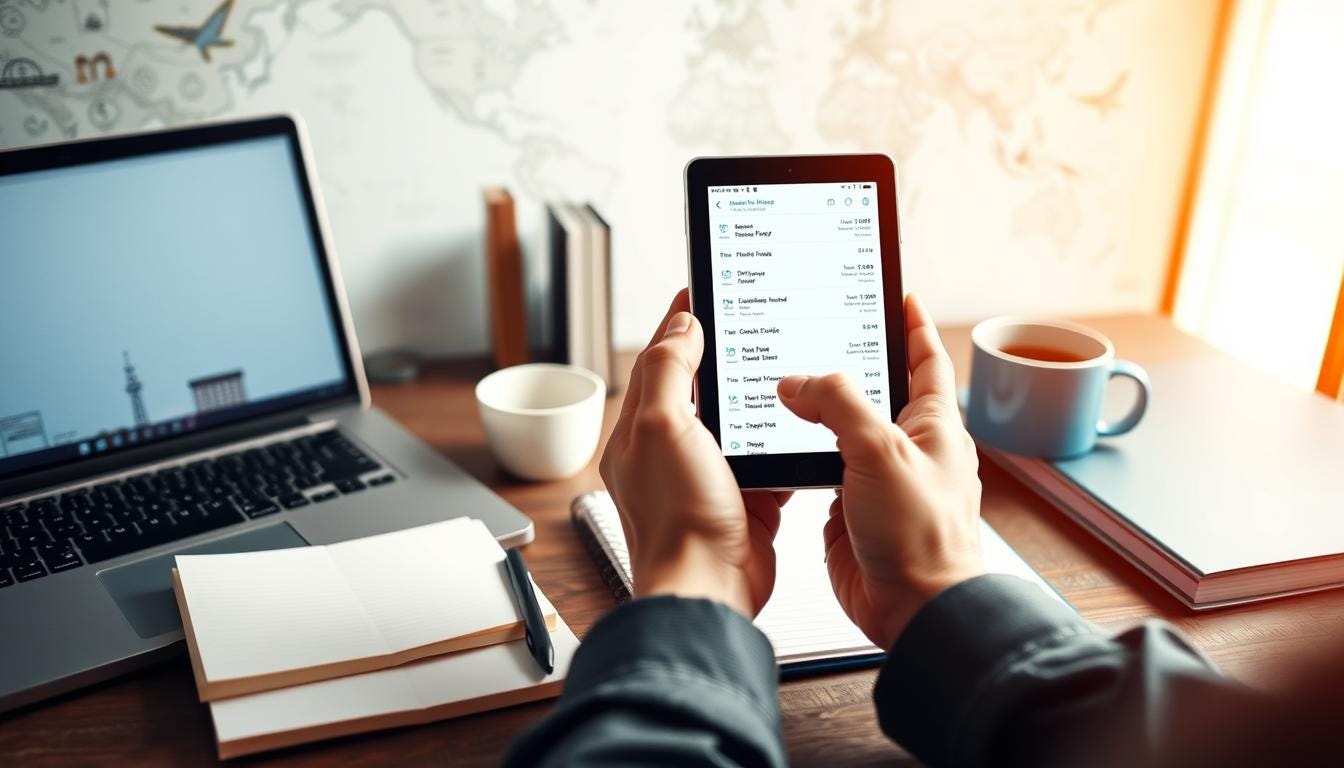
Pack extra time between flights—30+ minutes helps you stay flexible.
Choose direct flights to skip layovers unless you choose to rest.
Use apps like Google Flights or FlightRadar24 to track schedules in real-time.
Make sure to include layover spots with seating or cafes. For example, Denver International Airport has quiet zones with charging stations. Always list emergency contacts in your phone and carry a printed backup.
“A detailed plan builds trust in the journey itself.” – Travel Advisors Network
✅ Review your plan 24 hours before you leave. Check visa needs and baggage rules for your destination. These small steps make a big trip feel more manageable.
📌 Practical Tips for Airport Navigation
Learning how to navigate airports can make you feel more confident and less stressed. Simple steps like planning ahead and doing research can turn a confusing experience into a smooth one.
Arriving Early to Reduce Anxiety
For domestic flights, aim to arrive 2–3 hours before departure. This gives you enough time to park, check your bags, and find your gate without feeling rushed.
Check-in online 24 hours before to avoid long lines.
Use apps like FlightAware or Google Maps for up-to-date gate information.
Understanding Airport Layouts and Security Procedures
Look up airport layouts online through official websites. Most have color-coded zones or numbered gates. Here are some security tips:
Put liquids in quart-sized bags as the TSA recommends.
Choose shoes and belts that are easy to remove at security checks.
Find family restrooms or quiet areas near security for a break.
Don't hesitate to ask staff at info desks for help. A pro tip is to download the airport’s app for live updates on gates and places to grab a bite during layovers.
✨ Booking Tips and In-Flight Comfort Suggestions
Choosing wisely when you book and during your flight can make a big difference. Start by picking seats that are comfortable and reduce stress
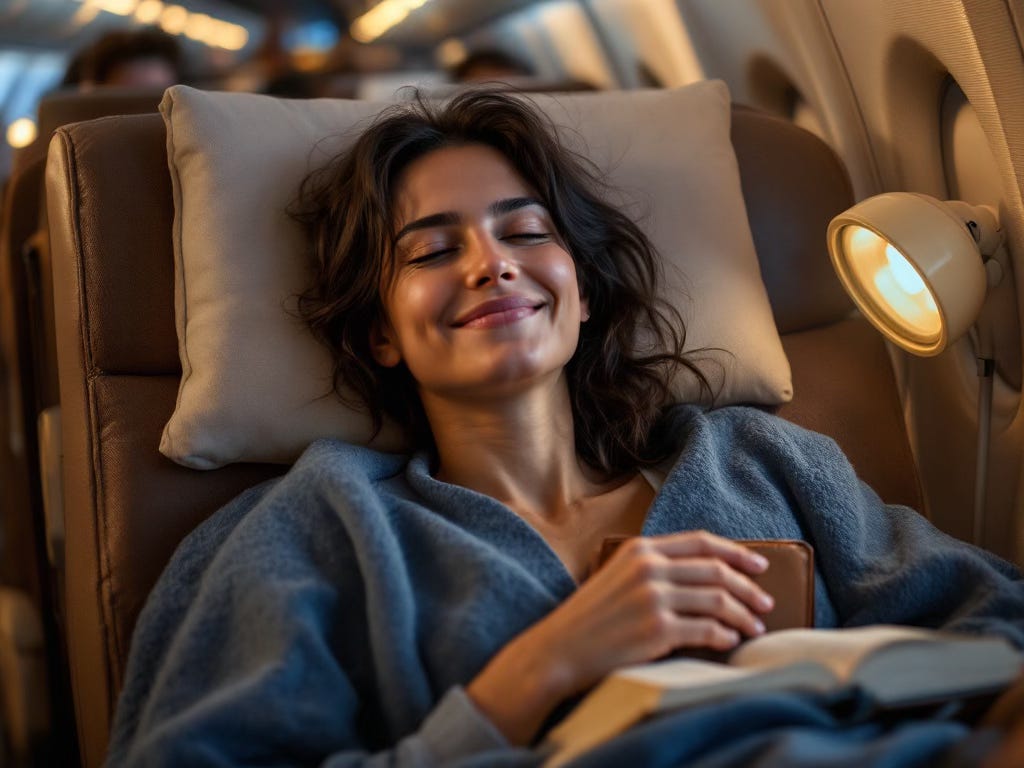
Selecting Seats 💺 that Ease Anxiety
Look for seats that fit your needs. Exit rows have more legroom, and aisle seats make it easy to get up. Seats over the wing are smoother and get natural light.
Aisle seats: Move freely to stretch or use the restroom.
Exit rows: More space for breathing room.
Window seats: Ideal for those who prefer a sense of calm by watching clouds.
👉 Utilizing In-Flight Comfort Amenities
Airlines have tools to help you relax. Use these to make your flight more comfortable:
AmenityBenefitsNoise-canceling headphonesBlock engine sounds for better focusBlankets/pillowsEnhance physical comfortEntertainment systemsWatch movies or shows to distract and relax
Ask for an aisle snack cart for drinks or snacks. Airlines like Delta and JetBlue offer premium seats for more room. Making a few small changes can make flying easier.
🫁 Breathing and Relaxation Exercises for Anxiety
When skies get bumpy, calm your mind with these simple yet powerful exercises. Breathing techniques and muscle relaxation can ease tension and reset your focus mid-flight. Try these proven methods to stay grounded during takeoff and turbulence.
🎯 Step-by-Step Breathing Techniques
Seat upright, hands resting on knees. Inhale deeply through your nose for 4 counts.
Hold breath for 7 counts, feeling air expand your ribs.
Exhale slowly through pursed lips for 8 counts. Repeat 3-5 times.
Pair this with a mantra like “I’m safe” to anchor your thoughts. Airlines like Delta and JetBlue even teach this method in their Fearless Flyer programs.
Progressive Muscle Relaxation Practices
Starting with toes, tense calf muscles for 5 seconds, then release.
Move upward: thighs, shoulders, jaw. Notice the contrast between tension and relaxation.
Practice this seated during pre-flight boarding to ease stiffness and mental clutter.
“Deep breathing shifts your nervous system from ‘fight or flight’ to ‘rest and digest,’” says Dr. Jane Carter, flight anxiety specialist at Anxiety and Agoraphobia Research.
Repeat these exercises hourly during long flights. Combine them with in-flight blankets or noise-canceling headphones from Bose to amplify calmness. Small steps build confidence—one breath, one muscle group at a time.
📱 Technology and Mobile Apps to Ease Flight Fears
Modern apps and tools can help with flight anxiety. Apps like Calm and Headspace offer guided meditations. They help calm nerves during boarding or turbulence.
Downloadable flight simulators, such as Microsoft Flight Simulator, let users practice. They can get familiar with takeoffs and landings virtually. Plus it’s FUN! 🥳
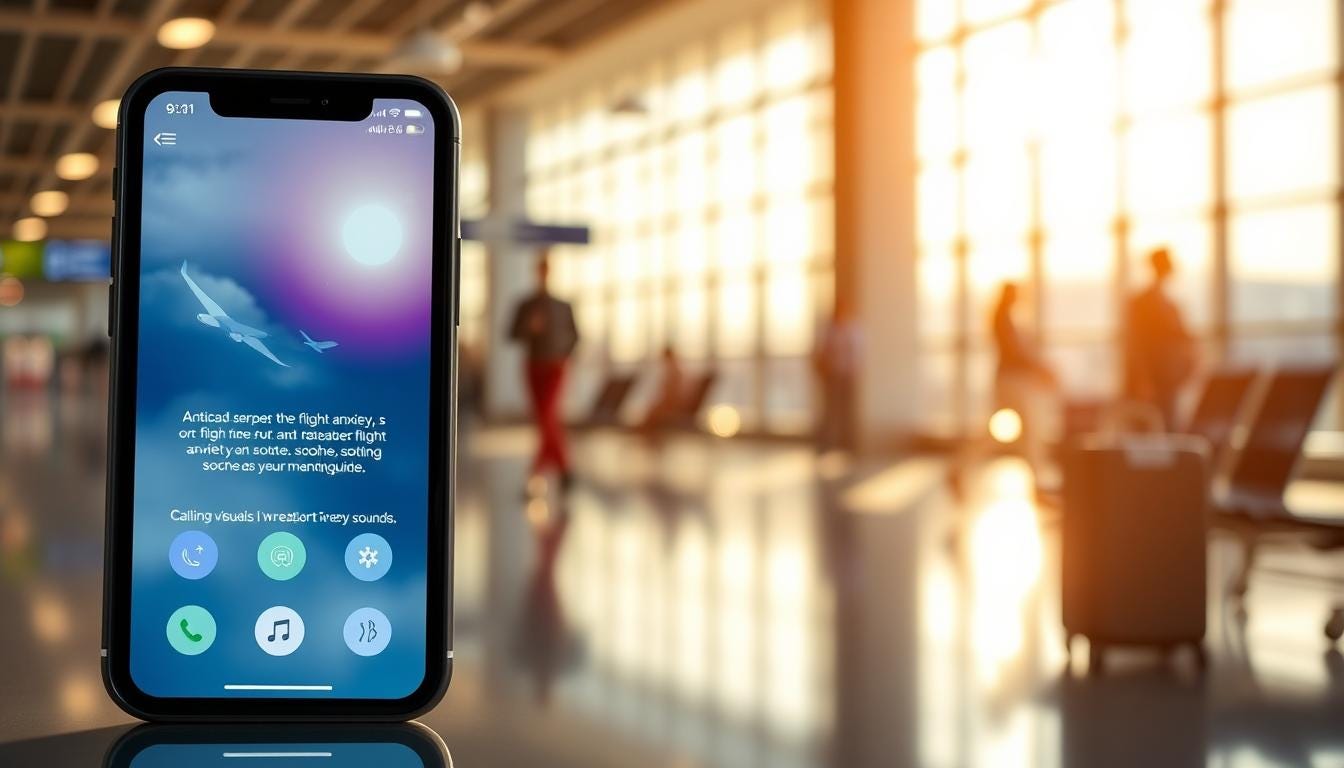
MoodTracker: Logs anxiety levels and offers real-time coping strategies.
Relax Melodies: Combines nature sounds with customizable playlists to mask engine noise.
FlightAware: Tracks flight paths in real time, reducing uncertainty about delays or route changes.
Virtual reality (VR) headsets like Oculus Quest distract with immersive content. They shift focus from discomfort. Many airlines offer in-flight Wi-Fi access to these apps. This ensures seamless use during the journey.
“Using the Breethe app’s breathing exercises during takeoff made a huge difference.”
Try browser extensions like FlightAware’s live updates or Google Maps 3D airport views. They help visualize terminals beforehand. Use noise-canceling headphones for an extra layer of calm. Let technology help your comfort, not hinder it.
⚙️ Preparing Mentally and Physically Before Boarding
Ready to face your flight with confidence? Start by taking care of your body and mind. Small changes in sleep, diet, and mindset can make a big difference. Let’s explore simple steps to set the stage for calm skies ahead.
“A rested body and focused mind are your best allies against flight anxiety.” – Aviation Health Experts
🍽️ 🥛 Balancing Sleep and Diet
Get quality rest the night before your flight. Aim for 7-8 hours to stay alert but relaxed. Avoid heavy meals—opt for light, protein-rich foods like yogurt or nuts. Skip caffeine and alcohol, which can heighten anxiety. Hydrate with water to keep energy levels steady.
Sleep tip: Set a consistent bedtime to sync with your flight’s departure time.
Meal idea: Pack a snack like apple slices with almond butter.
💊 Using Meditation and Visualization
Visualization works wonders. Close your eyes and imagine yourself boarding calmly, sitting comfortably, and landing safely. Apps like Calm or Headspace offer guided sessions tailored for travel stress. Try this 5-minute breathing exercise: inhale for 4 counts, hold, exhale for 6 counts. Repeat until boarding.
Pair these steps with a pre-flight walk—like a stroll around your home—to release tension. Small actions today build a foundation for smoother skies tomorrow.
🌐 Building Your Support Network for Travel Confidence
Talking about your flight worries can make you feel better. Start by sharing your feelings with your travel buddies. Let them know how you're feeling and what they can do to help. Just talking about it can make you feel less stressed and more understood.

"Support from others can transform fear into strength," says Dr. Sarah Mitchell, a travel psychology expert. "Discussing fears is the first step toward overcoming them."
Steps to Connect with Travel Companions
Share your concerns calmly before the trip
Ask companions to stay nearby during turbulence
Agree on signals to request reassurance
👨🏻✈️Professional Resources for Lasting Relief
Getting help from experts can boost your confidence for good. Try:
Combining personal and professional support creates a safety net for smoother travels. Every conversation and resource brings you closer to confident flying.
Dos and Don’ts for Managing Flight Anxiety
Small choices can make a big difference in managing flight anxiety. Follow these simple steps to stay calm and in control.
“Awareness and preparation turn nervous moments into manageable challenges.”
✅ Stick to these Do’s:
Bring calming tools like Bose noise-canceling headphones or a stress ball
Share concerns with flight attendants—they’re trained to help
Use a hydration tracker app like WaterMinder to stay hydrated
🚫 Avoid these Don’ts:
Don’t skip meals—eat light snacks like nuts or bananas
Don’t hide your anxiety—ask crew for reassurance
Avoid caffeine or alcohol 3 hours before boarding
DoDon’tUse guided meditation via the Calm appIgnore airport departure timesCarry a comfort item like a weighted blanketCheck turbulence videos mid-flightArrive early to reduce rush stressRefuse to discuss fears with staff
Remember: Crew members are here to assist. Trust your preparation and focus on steady breathing. Every small choice helps build confidence!
🏁 Conclusion
Every journey starts with getting ready. If you're worried about flying or just want to feel more comfortable, there are steps you can take. Begin by choosing a window seat to feel more stable.
Download apps like Calm or Headspace to relax during the flight. Also, look up airport maps before you go. These steps help you feel in control.
Breathing exercises and mindfulness can calm your mind during bumpy flights or delays. Don't forget to talk about your needs with others. Airlines like Delta and United have special help for anxious flyers.
It's not about avoiding fear, but learning to handle it. Every flight is a chance to get better. With the right mindset, comfort, and resources, flying can be less stressful. Start small, practice often, and enjoy smoother travels.
💡FAQ
What are the common causes of fear of flying?
Fear of flying can come from many sources. It might be due to fear of heights, claustrophobia, or bad flying experiences. Anxiety and feeling out of control can also contribute.
How can I prepare mentally for my flight?
To get ready mentally, try visualization and meditation. Use positive affirmations or relaxation techniques. These can boost your confidence and reduce anxiety.
Are there specific breathing techniques I can use during the flight?
Yes! Diaphragmatic breathing is helpful. Breathe in through your nose for four counts, hold for four, then breathe out through your mouth for four. It can calm you down.
What should I do if I start feeling anxious while flying?
If you feel anxious, acknowledge it. Use grounding techniques like focusing on your surroundings or deep breathing. Distract yourself with music, books, or movies to take your mind off the flight.
How can I choose the best seat to minimize anxiety?
Pick seats near the front and under the wings for less turbulence. Aisle seats offer more freedom to move, which can help with feelings of confinement.
Are there apps available to help manage flight anxiety?
Yes! Many apps help with flight anxiety. They offer relaxation techniques, guided meditations, or flight information. Headspace and Calm are good examples.
What are some good practices to help me sleep before a flight?
For better sleep, start a calming routine the night before. Avoid caffeine and heavy meals. Try reading or gentle stretching. Aim for 7-8 hours of sleep for the best alertness.
How can I create a support network for my travel experiences?
Talk to friends or family about your concerns. Having them with you can help. If needed, join support groups or see a counselor. They can offer strategies for dealing with flight anxiety.
Fly Safe,
PIlot Nick