


Pilot Nick — 6 min read
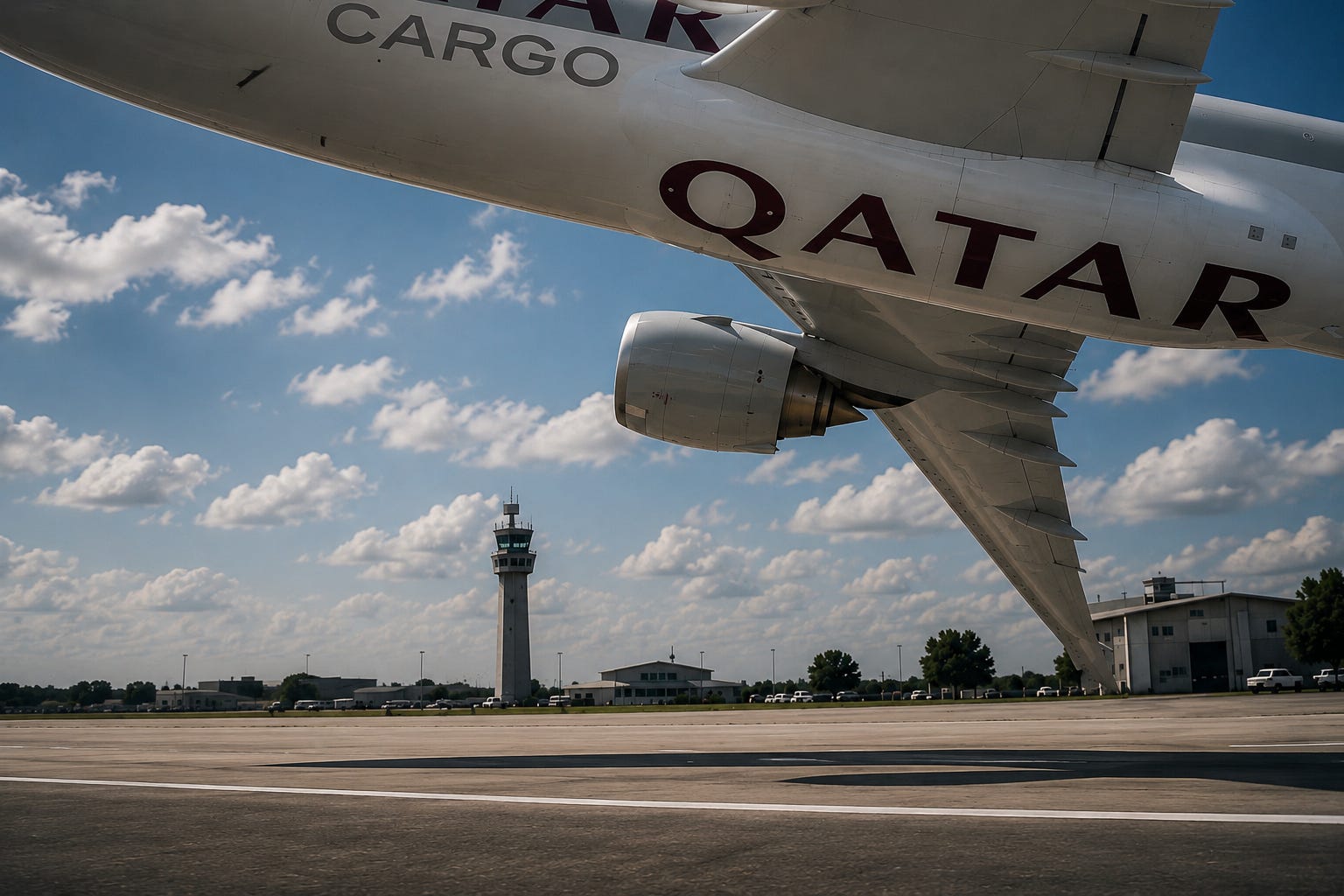
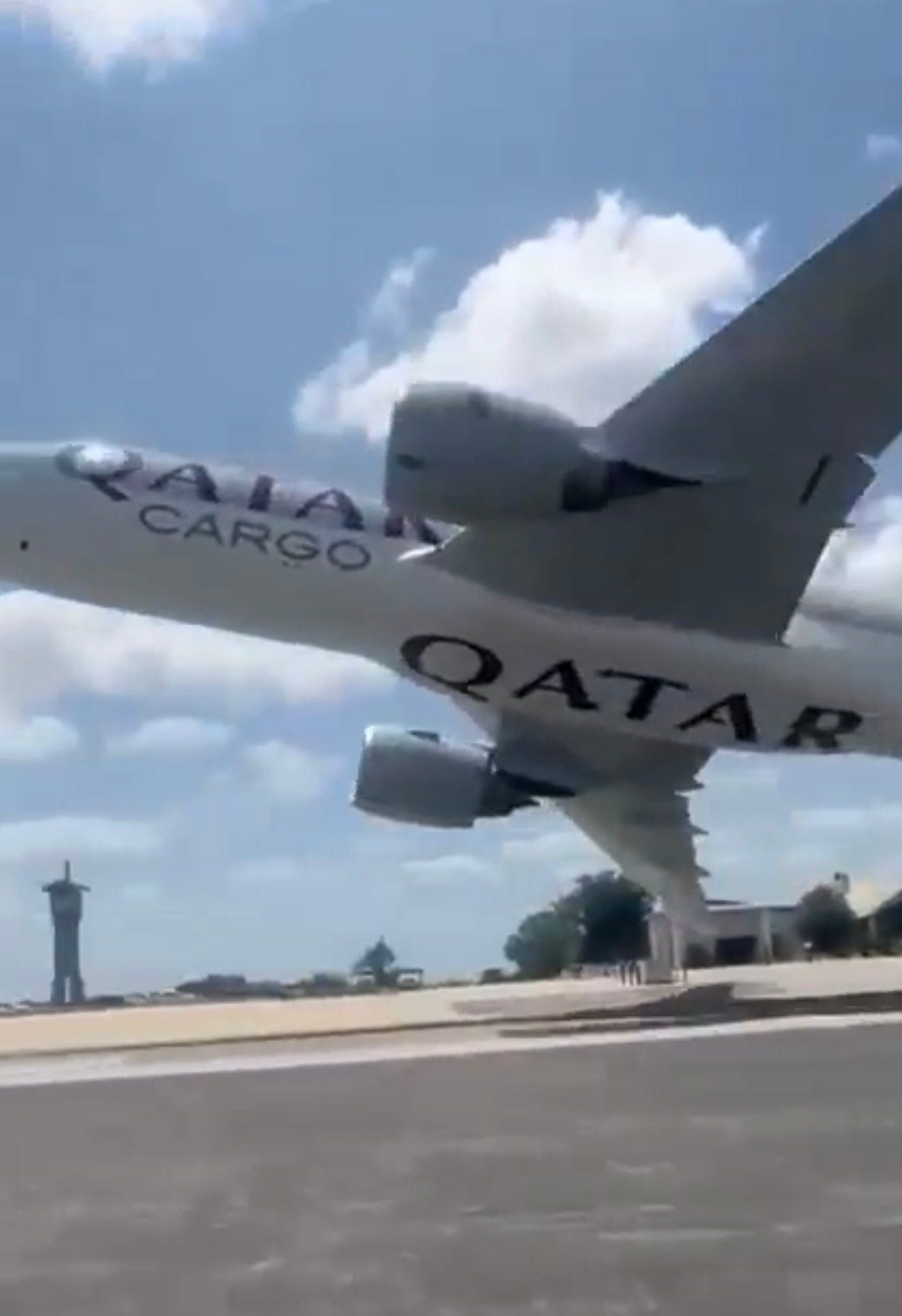
You’re scrolling on your phone. A widebody drops toward a runway, rolls hard to the right, and its wingtip hangs a few feet above the concrete. Your stomach goes with it. You brace for the crash.
That was me on Thursday. And my honest first thought was:
This is fake.
Watch it before you read another word and be honest about what your gut tells you.
I was so sure it was AI-generated that I almost scrolled past it. The wing was too low. The bank was too aggressive. The whole thing looked like one of those eerily smooth clips a machine spits out to farm outrage. I’d have bet money on it.
I lost that bet. It’s real. The lessor that owns the aircraft confirmed it. And the reason I was so certain it had to be fake is exactly why it’s so hard to watch now that I know it isn’t.
So let me walk you through what I saw and why a pilot’s brain refuses to accept it at first.
Why my gut screamed “fake” ✈️
Reason one: nobody does this in 2026.
Not because pilots have lost their sense of fun — a low pass, flown properly and briefed and approved, is a real and lovely thing. But a low pass like this one, uncoordinated and scraping the numbers? We know exactly how that movie ends, because we’ve watched it before.
In January 2008, Cathay Pacific’s chief 777 pilot, Ian Wilkinson, took delivery of a brand-new 777-300ER at Paine Field in Everett. After takeoff he turned back and buzzed the field, gear up, around 28 to 30 feet over the runway, with 50-odd people on board — including the airline’s chairman. Onlookers loved it. The video hit the internet. Within weeks he was fired and his first officer was suspended.
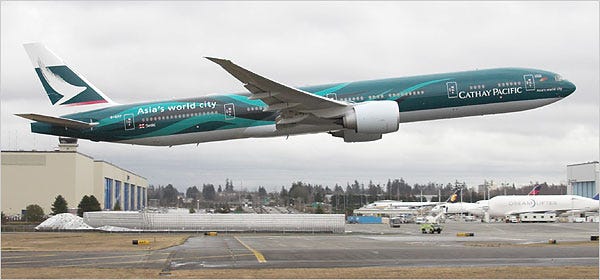
Seventeen years later, the playbook hasn’t changed. Camera, internet, regulator, consequences. Every professional pilot knows that story. Which is why my brain said: no one who knows that story would re-shoot it over a Texas resort.
Reason two: this wasn’t a slip. It was a decision.
In aviation we lean on something called just culture. The simple version: if you make an honest mistake a slip, a lapse, a judgment call that went sideways under pressure you’re not hung out to dry, because punishing honest error just teaches everyone to hide it. We protect the people who own up. That’s how the whole safety system keeps learning.
But just culture has a hard edge. It protects mistakes. It does not protect reckless, deliberate acts. And this was deliberate. The jet wasn’t even supposed to be there — it left its planned route to detour over the owner’s home field and set this up on purpose. You don’t accidentally arrive at zero feet in a steep bank. You choose it.
Reason three: you know the world is watching.
This is the part that truly breaks a pilot’s logic. You don’t need to imagine the camera anymore. In 2026 you can assume one is rolling, always. You know the clip goes viral by dinner. You know the FAA opens a file. You know your certificates — your career, your livelihood are suddenly on a regulator’s desk. The math never closes. The upside is fifteen seconds of applause. The downside is everything. So why? That’s the question I still can’t answer.
The detail that made no sense to me: clean config
Here’s what turned my disbelief into something closer to anger.
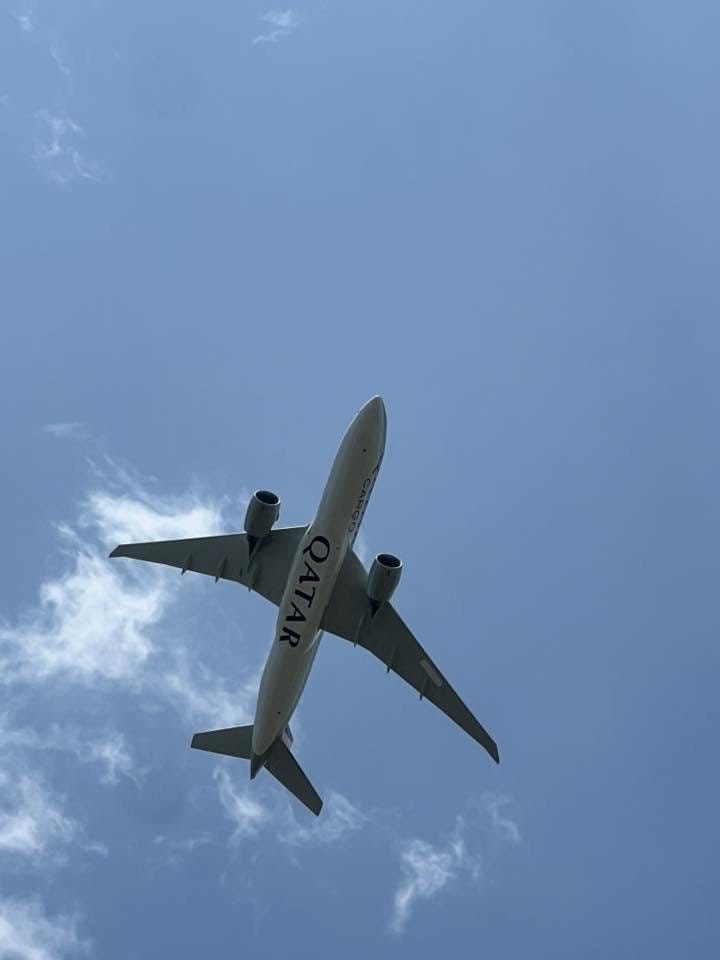
The jet was clean no flaps, gear up. To a non-pilot that sounds like a footnote. To me it’s the whole story.
A safe low pass is basically a planned go-around. You’d typically be configured — some flap, often the gear down — which lets you fly slower with a fat margin above the stall, engines spooled and ready, the airplane stable and predictable. That’s the version where, if something twitches, you have room.
Clean is the opposite. No flaps means the wing makes less lift at a given speed, so your safe minimum speed is higher and your cushion gets thinner the slower you go. Now roll that into a steep bank a few feet off the ground. Banking raises the speed at which the wing quits flying and tips your lift away from holding you up. And on a jet with a wingspan over 200 feet, the instant you roll toward the runway, the low wingtip is suddenly far closer to the ground than the wheels ever were.
Clean and slick is the configuration you pick if you want to look fast and dramatic. It is also the one that leaves you the least room when anything goes wrong — a gust, a patch of your own wake, a half-second of sink, a touch too much bank. There was no margin in that picture. None.
And history rhymes here too: in the Cathay case, the single detail that turned what might’ve passed for a normal missed approach into a fireable stunt was the gear being up. Same tell. Seventeen years apart.
The facts, straight
Let me separate what happened from the noise online.
The aircraft is a 17-year-old Boeing 777-200LR, registration N705DN — a former Delta jet from 2009, retired around 2020. It was bought by Jetran, a Texas lessor, and converted into a freighter (the 777-200LRMF) by Mammoth Freighters.
It’s the first of five bound for Qatar Airways Cargo, which is the launch customer for the type. That’s why it wears Qatar’s livery.
On Wednesday, June 24, it was on a ferry flight from Grissom Aeroplex in Indiana to Fort Worth Alliance in Texas. It detoured to Horseshoe Bay Resort Jet Center — Jetran’s home base, a field with a 6,000-foot runway rated for aircraft up to regional jets, not widebodies — and made the pass. Here’s the part worth slowing down on. The lowest altitude FlightRadar24’s receivers recorded was 950 feet — which sounds survivable until you understand what that number is. ADS-B reports barometric altitude above sea level at standard pressure. Correct it for the actual air pressure that day (1018 hPa) and the field’s elevation (1,080 feet), and the jet was sitting between 0 and 25 feet above the ground. Runway level. The wingtip came within feet of the concrete in the bank.
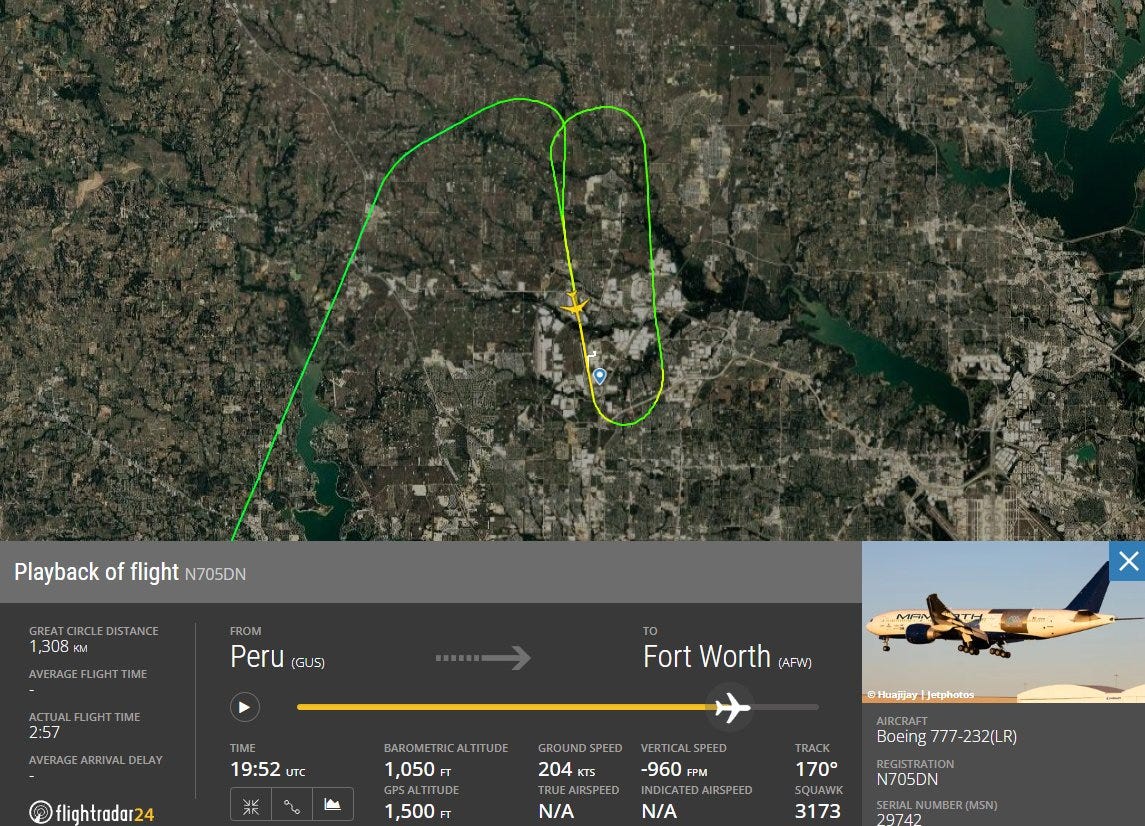
The FAA is looking into it for careless or reckless operation and minimum-altitude rules. That can cost a pilot their certificates.
And the most important correction of all, because the comments got it wrong for two days straight:
This is not Qatar Airways. The plane wears the paint, but the title hasn’t transferred. Jetran still owns it. No Qatar pilots were on board. Jetran said plainly that the flight didn’t reflect operational standards, that the aircraft isn’t owned, operated, or registered by Qatar, and that it expects a full investigation and accountability. Blame the paint if you want — but blame the right people.
What I keep coming back to
I wanted it to be fake. Fake is harmless. Fake is a machine showing off.
Real means two qualified people, in a working flight deck, decided the picture was worth the risk — to themselves, to a $100-million-plus airframe, and to anyone who happened to be near that runway.
The wing didn’t touch. This time.
That’s the only line between a viral clip and a smoking hole, and it’s the thinnest line I’ve seen all year. We don’t fly to the edge of that line for applause. We fly to keep a wide, boring, beautiful margin between us and it — every single time.
Fly Safe, Pilot Nick

Thanks Nick for taking the time to both find out the truth and tell the whole story
When I saw that video, I had two thoughts.
1. This reminds me of the 1994 B-52 crash, where a hotdog cost lives.
https://theaviationist.com/2024/06/24/the-crash-of-b-52h-czar-52/
2. AI slop.
As you say, this was real and a near miss, with the ground.
Having been in the military, in a high risk career field, on flying status, annual requals in hyper and hypo baric chambers, and tons of CRM training, this video and the Fairchild accident quickly checked the boxes of the failure tree, that probably has been branching out for years. Breakdowns in things as distant from the runway and cockpit as company procedures, compliance systems and oversight are glaring here. The average passenger is oblivious to these things and many others, that gets them to and from destinations with the only issues being cold coffee or a unsatisfying meal.
Suffice it to say, you do not want your flight to ever be like a hollywood movie, even if the pilot rolls the plane and saves everyone. You want it to be like a textbook, check listed report, of an incident that a cool calm and methodical pilot worked diligently to pull from the brink of death, to meeting loved ones at curbside pick-up.