


Pilot Nick - 4 min read
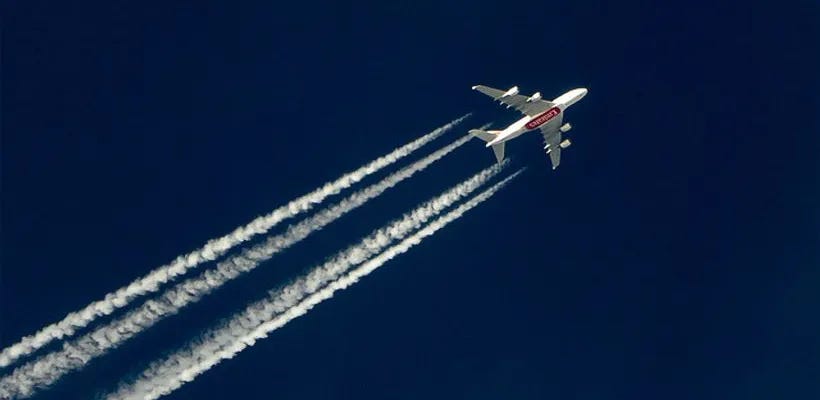
Most passenger jets cruise between 31,000 and 42,000 feet, which is roughly 6 to 8 miles (about 9.5 to 12.8 km) above the ground. On a typical flight you spend most of the trip somewhere around 35,000 feet.
That’s the short answer. The rest of this page is what I’d tell you if you asked me at the cockpit door: why we climb that high, what stops us going higher, and why that altitude is good news if flying makes you nervous.
Typical cruising altitude by type of aircraft
Small piston planes (a Cessna, for example): 3,000 to 10,000 feet
Regional turboprops (ATR 72, Dash 8): up to about 25,000 feet
Short and medium-haul jets (Airbus A320, Boeing 737): 31,000 to 39,000 feet, with a ceiling around 41,000
Long-haul jets (Boeing 787, Airbus A350, Boeing 777): 33,000 to 43,000 feet
Large business jets (Gulfstream G600): 41,000 to 51,000 feet
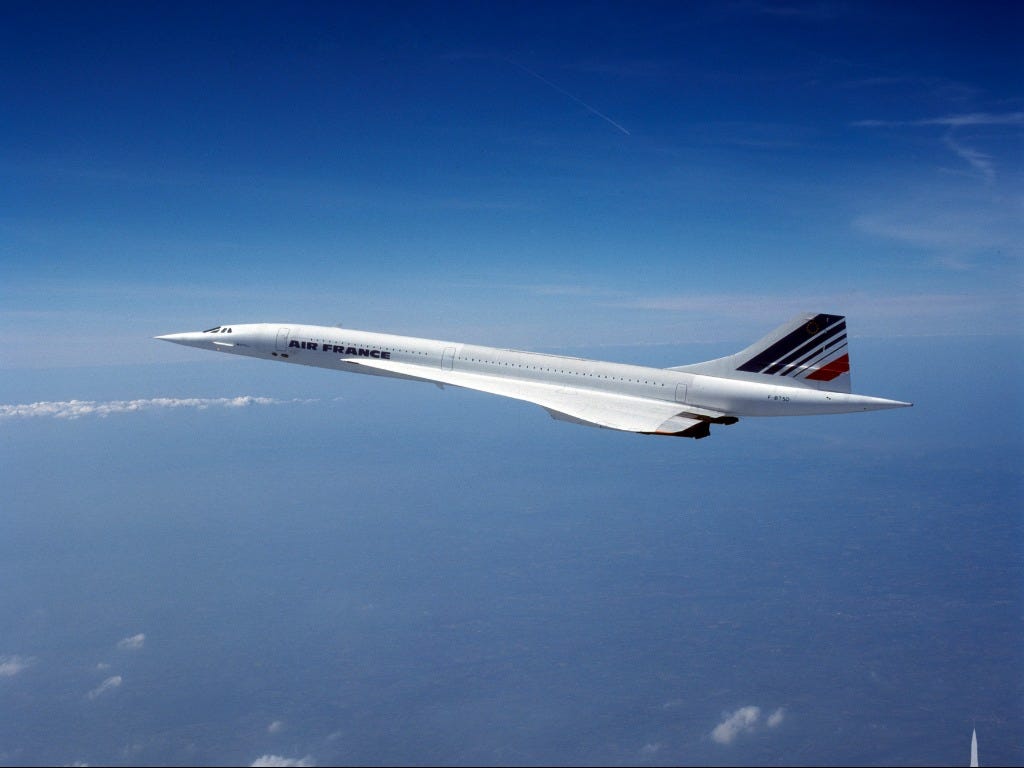
Concorde, retired in 2003: up to 60,000 feet
When I flew the MD-80 as a first officer, our cruise levels sat in the low to mid 30s, and the airplane couldn’t go above 37,000 feet anyway. Today I fly a Gulfstream, which is certified to 51,000 feet, and we usually cruise in the 40s, above most of the airline traffic.
Why do planes fly so high?
Thin air saves fuel
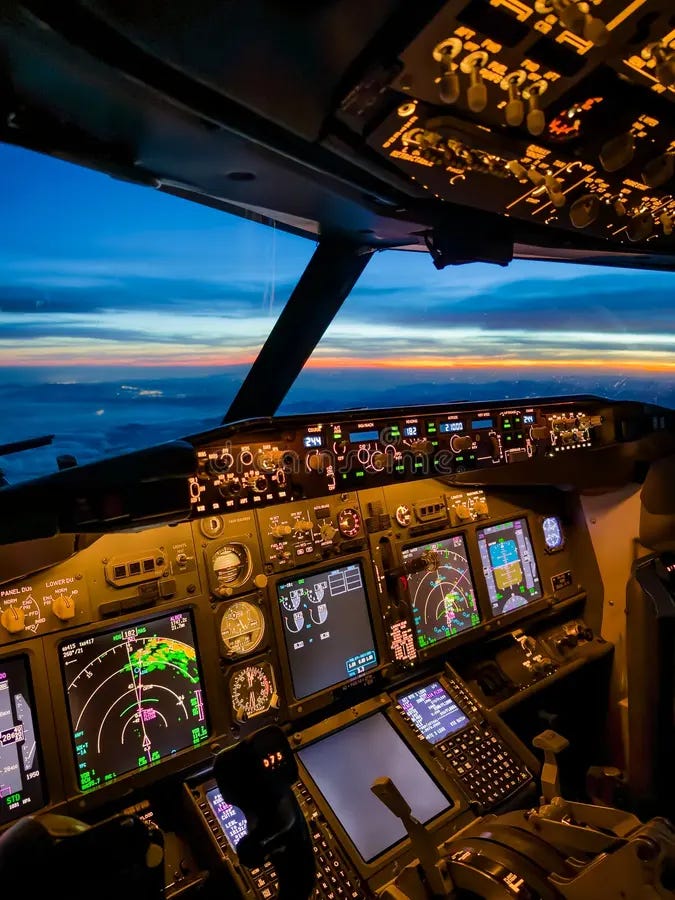
At 35,000 feet the air is roughly a third as dense as it is at sea level. Less air pushing against the airplane means less drag, so every kilo of fuel takes you further. Jet engines also run more efficiently in cold air, and it’s around minus 55°C up there. This is the main reason, and it’s why pilots and dispatchers spend real time choosing the right cruise level for each flight.
Most of the weather is below you
Nearly all clouds, rain and bumpy air live in the lowest layer of the atmosphere. At cruise we’re above most of it, which is why the middle of a flight is usually the smoothest part. The exception is big thunderstorms, which can tower past 40,000 feet. We don’t try to climb over those. We see them on the weather radar and fly around them, normally giving them 20 miles or more.
Altitude buys time
Pilots think of height as a safety margin you can spend. A jet at 35,000 feet with no engine power (an extremely rare situation) can glide for something like 100 miles. That is a lot of time to work a problem, restart an engine, or pick an airport. In 2001, an Air Transat Airbus A330 ran out of fuel over the Atlantic and glided about 75 miles to a landing in the Azores. Everyone on board survived. Here is my article about this incident 👇🏻
Air Transat Flight 236: The Azores Glider Story, Told by a Pilot

Air Transat Flight 236: the Azores Glider, and the pilots who flew it
And if one engine fails, the airplane keeps flying on the other. It simply descends to a lower altitude where the remaining engine can hold it level.
The sky is organized in layers
Up at cruise there’s less traffic, and it’s stacked neatly. In most of the world, flights heading roughly east use odd levels (33,000, 35,000, 37,000 feet) and flights heading west use even ones (34,000, 36,000, 38,000). Air traffic control keeps a minimum of 1,000 feet between airplanes vertically, and the onboard collision avoidance system watches that independently.
Why don’t planes fly even higher?
The same thin air that saves fuel also gives the wings less to work with and the engines less to breathe. The higher you go, the closer the slowest safe speed and the fastest allowed speed get to each other. Pilots call that narrow band “coffin corner,” which sounds dramatic but is just the edge of the airplane’s envelope. The flight management computer works out our maximum altitude for the day’s weight, and we stay comfortably below it. Read about it below:
The Sky’s Razor’s Edge: Inside Aviation’s Most Dangerous Sweet Spot

Flying at 40,000 feet seems routine when you're sipping your complimentary peanuts, but up there, pilots are navigating one of aviation's most delicate balancing acts. Today, we're exploring the "coffin corner" a phenomenon that sounds ominous and, frankly, is exactly as serious as it sounds.
Weight matters a lot. A long-haul jet full of fuel can’t climb as high at the start of the flight, so we often “step climb” a few thousand feet at a time as the fuel burns off and the airplane gets lighter.
Short flights cruise lower. On a 45-minute hop there’s no time to climb to 39,000 feet and still come down gently, so the airplane might top out in the 20s.
The cabin also sets a limit. The airplane is pressurized so that inside it feels like 6,000 to 8,000 feet (about the altitude of a mountain ski resort), even when you’re at 38,000 outside. Flying higher means a bigger pressure difference for the fuselage to hold, and every airliner is built and certified for a specific maximum.
What it means for you in your seat
The cabin altitude explains a few things you’ve probably noticed: your ears pop on the way up and down, a sealed bag of chips puffs up, and your water bottle crinkles as you descend.
It also explains a sound that worries a lot of passengers. When we reach cruising altitude, the engines get noticeably quieter. That’s the power coming back from climb setting to cruise setting. Nothing has gone wrong; the airplane has simply arrived where it was designed to spend most of its life.
FAQ:
How high do planes fly in miles? About 6 to 8 miles.
How high do planes fly in meters? Around 9,500 to 12,800 meters.
How high do private jets fly? Large business jets typically cruise between 41,000 and 51,000 feet.
What’s the highest a commercial airliner can fly? Most airliners are certified to between 39,000 and 43,100 feet.
Why does the captain announce “we’ve reached our cruising altitude”? Because the busiest phase of the flight for us (the climb) is over, and the seatbelt sign often comes off soon after.
If someone you travel with grips the armrest when the engines go quiet after takeoff, send them this page.
Want to know what turbulence really is, and whether those forecast apps are telling you the whole story? I wrote about that here:

I write every week about what happens on the other side of the cockpit door. Subscribe free and the next one lands in your inbox.
Fly Safe, Pilot Nick

Why don't more commercial flights fly closer to 40,000 ft. I can't recall any flight I've been on that was higher than about 35,000. Also I think I recall a story where two pilots in a commercial jet tried to take it up to 40 some thousand feet and everything went wrong and it crashed.
I just got done phak chap 5 on flight physics. Shit broke my brain. Most of the effects I already knew going into it, particularly about vortices, CG and WB.
But whoever wrote that damn PHAK needs to be beaten with a rubber hose. It’s like they literally sat down and said “ok how can I make these simple theory’s turn people’s brains to mush?”