


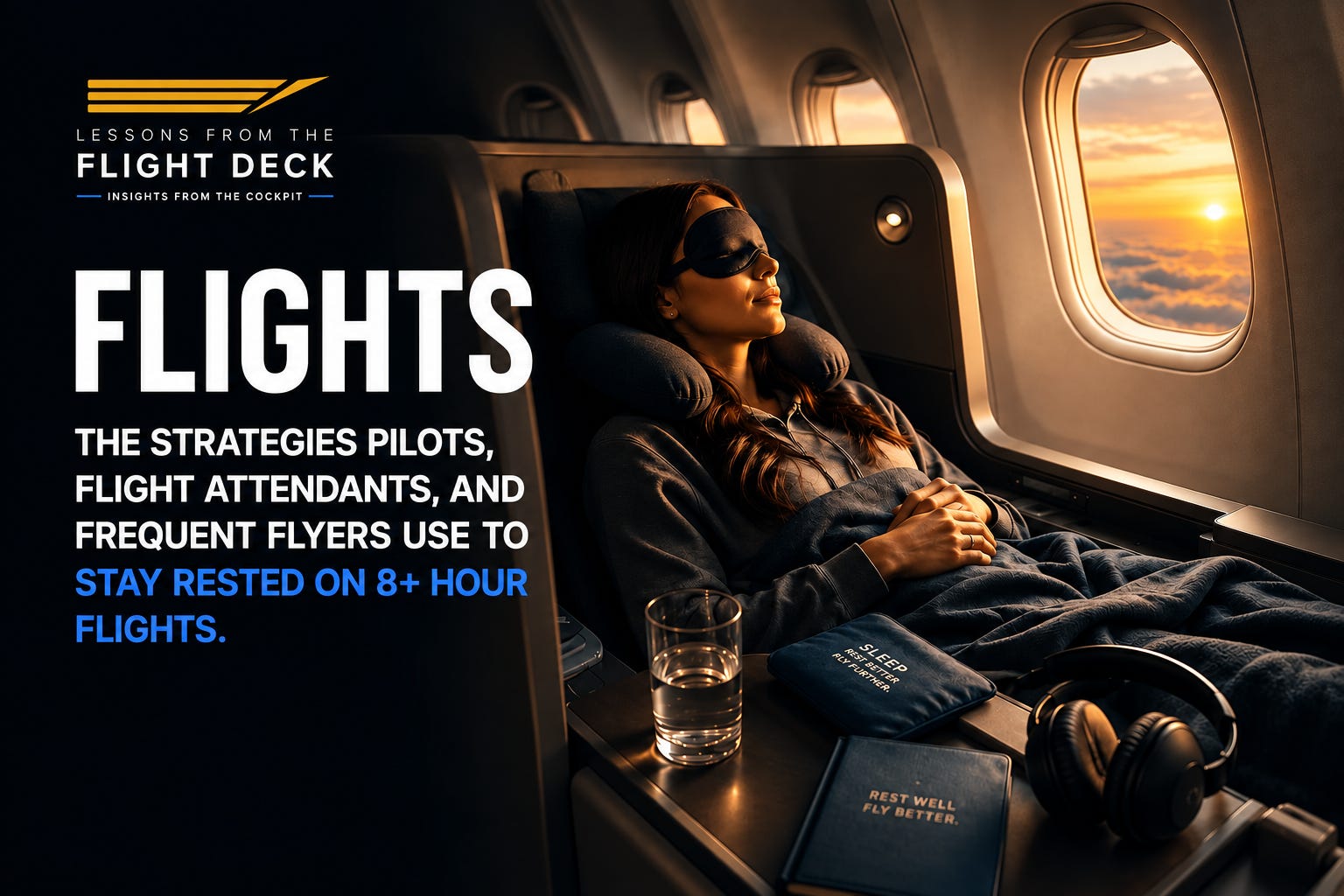
Welcome aboard
Whether you’re flying 14 hours to Tokyo or preparing for the ultra-long haul marathon to Sydney, modern flights are pushing human endurance further than ever.
Some routes already stretch 18 hours, and airlines like Qantas are preparing 20-hour non-stop flights between Sydney, London and New York by 2027.
But here’s the truth most frequent flyers know:
A long flight doesn’t have to feel long.
With the right strategy, you can step off the airplane surprisingly refreshed instead of completely destroyed.
This week I’m sharing battle-tested tips from pilots, flight attendants, and frequent flyers that make a huge difference on ultra-long flights.
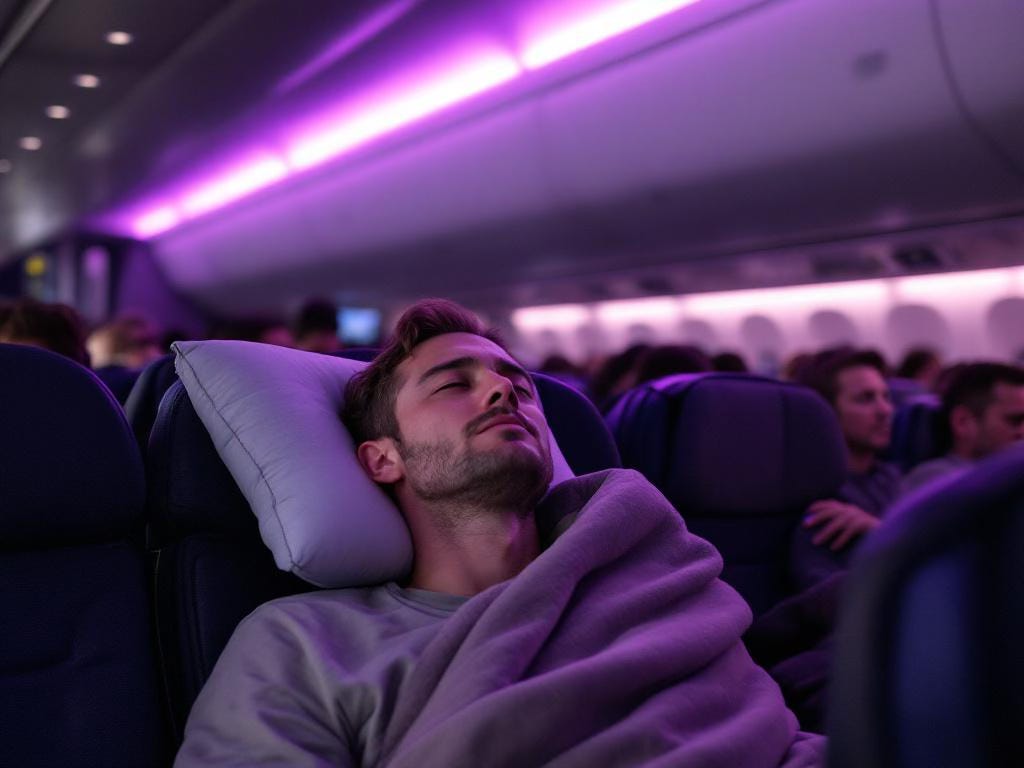
This week, I am sharing battle-tested strategies from frequent flyers, flight attendants, pilots and travel experts to help you arrive at your destination refreshed and ready for adventure.
One traveler said it best:
“Instead of thinking of it as being trapped for 15 hours… think of it as 15 uninterrupted hours where nobody can reach you.”And that’s actually a rare luxury.
The Pre-Flight Power Hour
Strategic Seat Selection Choose your battlefield wisely. Aisle seats offer freedom of movement, while window seats provide a wall to lean against for sleeping. Exit row seats provide extra legroom but often don't recline and can be colder. Avoid seats near galleys and bathrooms unless you enjoy constant foot traffic, and steer clear of the last row which typically doesn't recline.
Pro tip: Use Seat map to identify the best seats on your specific aircraft, and consider paying for seat upgrades - the comfort difference over 15+ hours is worth every penny. (seatguru is dead)
Pack Your Survival Kit Your carry-on should include noise-canceling headphones, a quality eye mask (preferably one marked "Do Not Disturb" to signal crew during meal service), compression socks, lip balm, moisturizer, lubricating eye drops, small nasal spray, and a refillable water bottle. Don't forget entertainment downloads since WiFi can be spotty or expensive at 35,000 feet. Pack a change of clothes and toothbrush in your carry-on - you'll feel infinitely fresher during the journey.
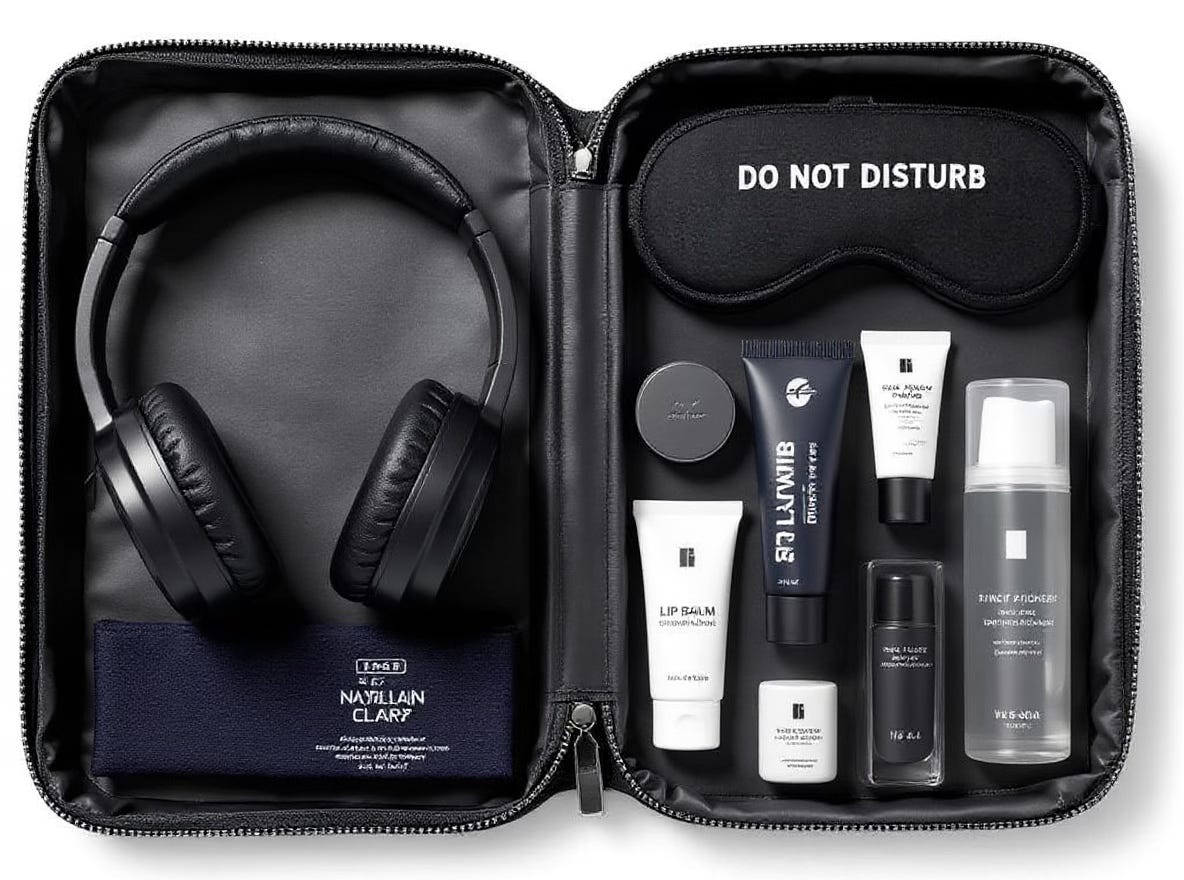
Advanced packers also bring: a small blanket or large scarf (airline blankets can be thin), slippers or thick socks for comfort, hand sanitizer, basic medications, and a portable phone charger with extra-long cable to reach distant outlets.
Dress for Success Layers are your friend, and hoodies are particularly genius. As one frequent international traveler notes: "A hoodie is cozy, warm, covers the ears (less noise) and eyes (less light for sleep), and creates a private cocoon environment." Choose breathable fabrics and slip-on shoes for easy security checks and circulation breaks. Compression socks are non-negotiable for preventing swollen feet during hours of inactivity.
Below are the exact long-haul strategies pilots, crew, and frequent flyers use to survive 15+ hour flights.
Temperature Management Cabin temperatures fluctuate dramatically throughout long flights. Layer strategically: base layer (t-shirt), insulating layer (hoodie/sweater), and outer layer (blanket/jacket). Keep socks on even if you remove shoes - floors get cold. If you're too warm, press the overhead air vent button for personal cooling.
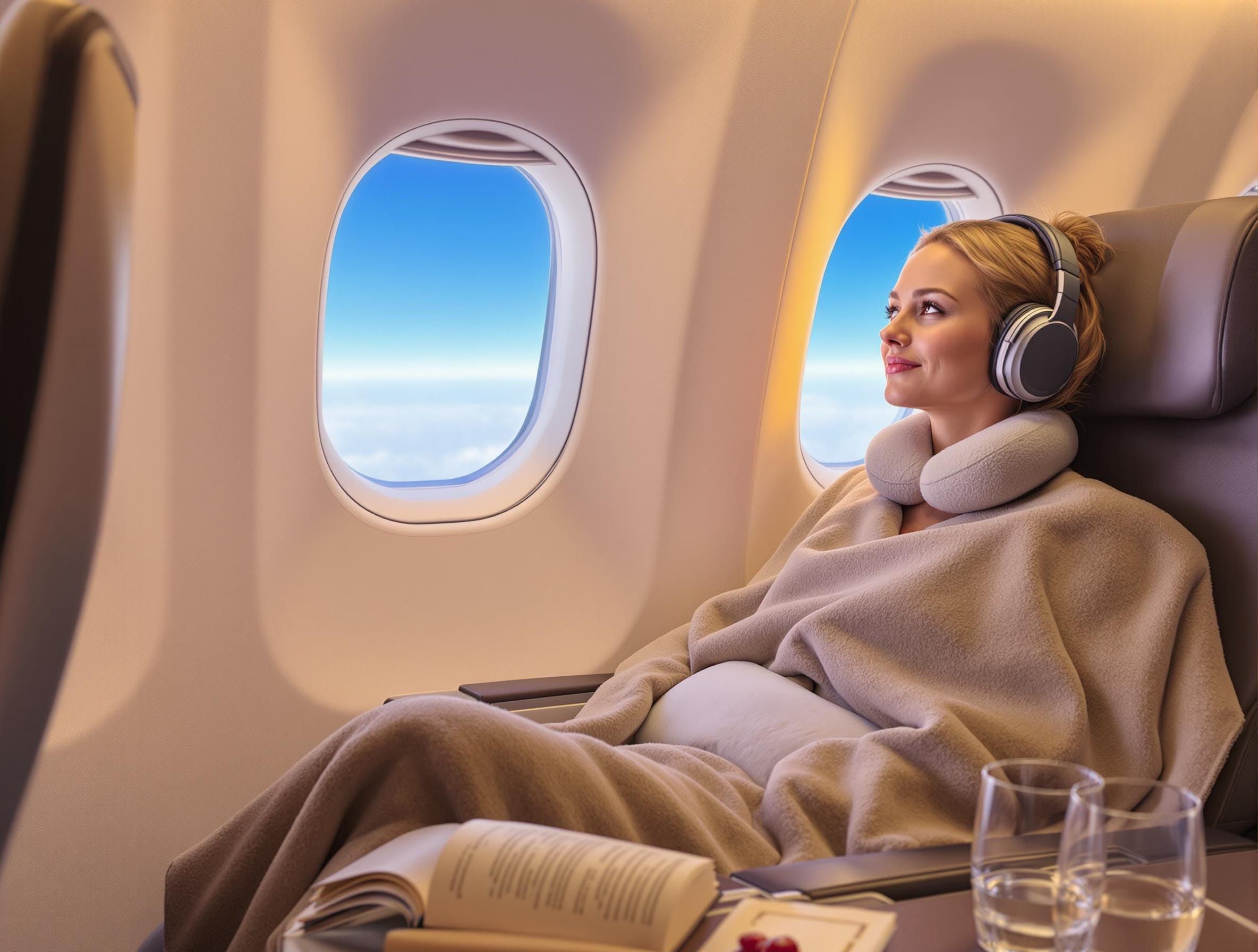
Master the Art of In-Flight Comfort
Mental Game Changers Break the flight into mental chunks: "Only 4 movies left" sounds better than "8 hours remaining." Create flight milestones to look forward to: meal service, movie time, sleep period, final meal, landing preparation. Track your progress on the seat-back map display - watching your dot move across continents creates a sense of progress
Hydration Station The golden rule: drink 8 ounces of water for every hour of flight time. Cabin air is drier than most deserts, and dehydration amplifies jet lag. Bring an empty water bottle to fill after security, and consider adding powdered vitamins or electrolytes to maximize hydration. Pack quality moisturizer, lip balm, lubricating eye drops, and small nasal spray to combat the extremely dry cabin environment. Skip excessive alcohol and caffeine, which can disrupt sleep patterns and worsen dehydration.
Movement Matters Research aircraft layouts on SeatGuru before booking to find maximum legroom options. Many travelers prefer aisle seats for freedom to move without disturbing neighbors. Set a phone reminder to walk the aisles every two hours, and do stretches while waiting for bathrooms. Simple exercises like ankle circles, calf raises, and shoulder rolls can be done from your seat. Walk several laps of the terminal during layovers to get blood moving.
Bathroom Strategy Use the bathroom before meal service begins (galleys get busy), and again immediately after.
Dealing with Difficult Neighbors If someone reclines into your space, politely ask if they can adjust during meal times. For armrest battles, remember the middle seat passenger typically gets both armrests by unwritten airplane etiquette. If someone's snoring disrupts your sleep, try changing your position or using white noise apps rather than confronting them.
Sleep Strategy Do absolutely everything possible to maximize sleep time onboard. Consider sleeping pills or melatonin supplements as potential allies, and create a sleep sanctuary with your eye mask, earplugs or noise-canceling headphones, and a supportive travel pillow like the Trtl Pillow for neck support in upright positions.
Map out your sleep schedule strategically. Some experienced travelers stay awake during shorter connecting flights to ensure extra tiredness for the longest leg. Align your sleep with your destination time zone, and remember: if you plan to sleep through meal service, use a "Do Not Disturb" eye mask to signal crew not to wake you while blocking overhead lights.
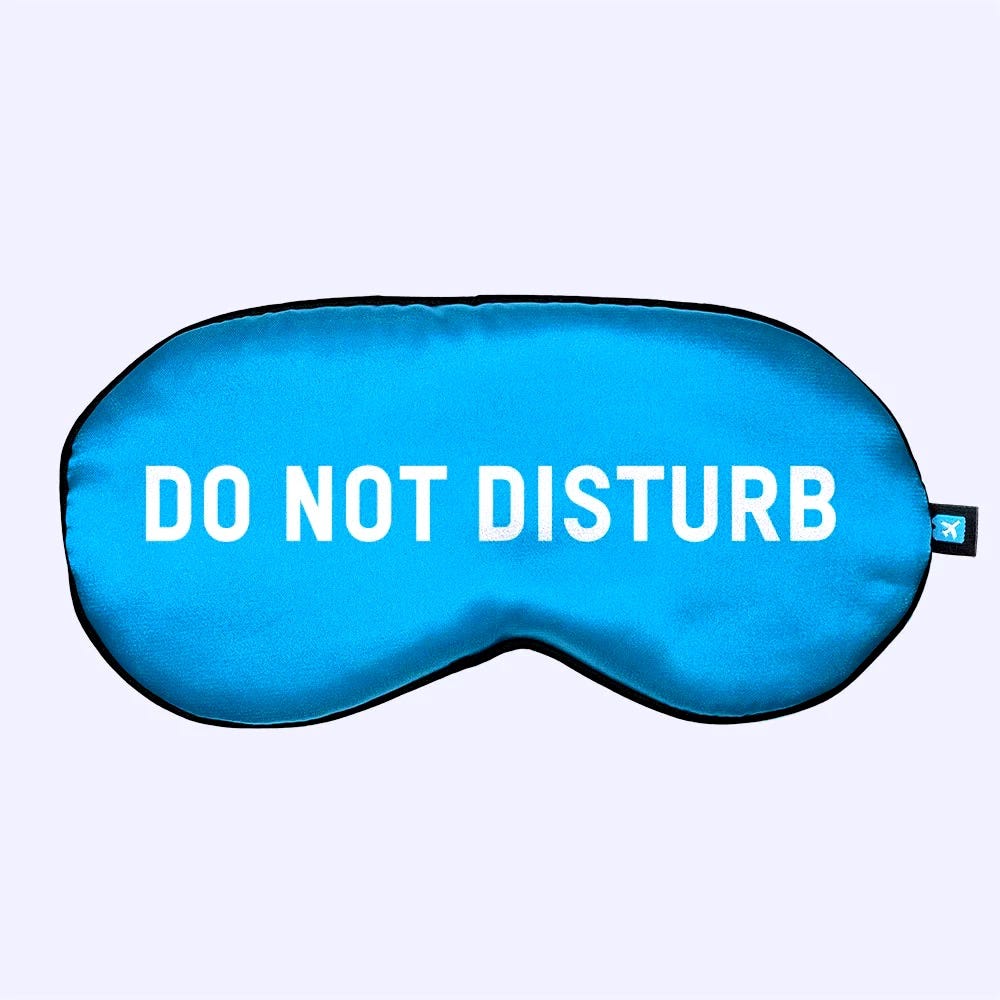
Pro sleep hacks: Recline your seat fully (when appropriate), use the tray table as an armrest, and if the flight isn't full, claim an entire row by lifting armrests. Set your devices to airplane mode early to avoid blue light disrupting melatonin production.
Nutrition at 30,000 Feet
Timing Your Meals Eat according to your destination's time zone, not your departure city's schedule. This helps reset your circadian rhythm faster. If it's bedtime at your destination, skip the meal service and sleep instead.
Smart Snacking Pack protein-rich snacks like nuts, protein bars, or dried fruit. These provide sustained energy without the sugar crash that comes from processed airplane snacks. Avoid excessive sodium, which contributes to bloating and water retention.
Meal Service Strategy: If adjusting to destination time zones, eat according to that schedule rather than when food is served. Sometimes it's better to politely decline meals and stick to your own snacks. Bring empty containers to save portions of airline meals for later if you're following a specific eating schedule.
Entertainment and Mental Health
Smart Entertainment Planning: Think bigger than movies. A 10-episode narrative TV series will stretch much longer than one film.
Binge-Watching Strategy by Flight Length:
8-12 hours: One complete limited series like "Mare of Easttown" (7 hours) or "The Queen's Gambit" (7 hours)
12-16 hours: "The White Lotus" Seasons 1 & 2 combined (13 hours) - perfect mystery drama with natural episode breaks
16-20 hours: Start a longer series like "Succession" (8 hours per season) or "Breaking Bad" (12+ hours per season)
Ultra long-haul 20+ hours: Mix it up with a season of prestige TV + movies + documentary series
Pro tip: Episodes provide natural break points for meals, stretches, and sleep, unlike movies which can feel restrictive on very long flights.
Check the airline's website ahead of time to see what in-flight entertainment is available. Download TV shows, movies, podcasts and music to your devices before reaching the airport - don't rely on spotty WiFi. Bring that book you've been meaning to read, offline games for your devices.
Mindfulness in the Sky Practice breathing exercises during takeoff and landing to manage anxiety. Use flight time for reflection, planning, or learning something new. The contained environment can actually enhance focus and productivity. Consider this rare opportunity to be completely unreachable - embrace the digital detox rather than fighting it.
Cabin Pressure and Ear Management Chew gum or swallow frequently during takeoff and landing to equalize ear pressure. Bring decongestant if you're congested - blocked ears can be painful during altitude changes. The Valsalva maneuver (gently blow while pinching your nose) can help pop stubborn ears. Stay awake during final descent to actively manage ear pressure and avoid this if you have a cold.
The Airborne Office: Maximizing Productivity at 35,000 Feet
Create Your Sky-High Workspace Long-haul flights offer a unique opportunity for deep, uninterrupted work. Download all necessary files before departure since WiFi can be unreliable and expensive. Bring a laptop stand or use your tray table strategically - angle your screen to reduce neck strain during extended work sessions.
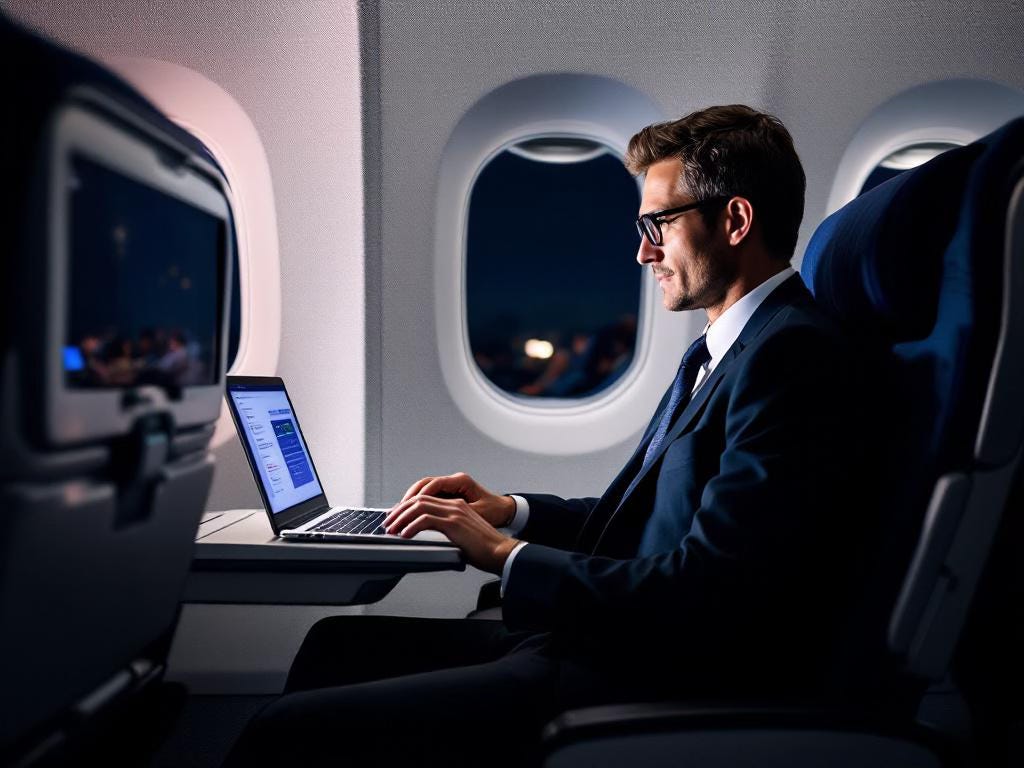
Prime Productivity Hours The first 4-6 hours of your flight are typically your most alert and productive. Tackle your most important or creative work during this window before fatigue sets in. Save mindless tasks like organizing emails or files for later in the flight when your energy dips.
Offline Productivity Strategies Use flight time for tasks that don't require internet: writing reports, editing documents, coding, creative brainstorming, or catching up on industry reading you've downloaded. The contained environment actually enhances focus - there are no office interruptions, phone calls, or impromptu meetings.
Technology and Gadget Game-Changers
Power Management Bring multiple charging options: a portable battery pack, charging cables for all devices, and a universal adapter if traveling internationally. Download offline maps for your destination city before departure. Consider noise-canceling earbuds as backup to over-ear headphones.
Skincare at Altitude The cabin air humidity drops to around 20% (drier than the Sahara). Apply a thick moisturizer before boarding, use a hydrating sheet mask mid-flight, and pack travel-sized serums. Drink water constantly and avoid caffeine and alcohol which further dehydrate you.
Anxiety and Comfort Management If you're nervous about flying, download meditation apps like Calm or Headspace before boarding. Practice box breathing (4 counts in, hold 4, out 4, hold 4). Bring familiar comfort items like a favorite tea bag to request hot water for, or a small essential oil roller for calming scents.
Flying with Little Ones: The Parent's Survival Guide
Traveling long-haul with babies or children requires next-level preparation. For babies: Pack extra diapers (flight delays happen), bring formula powder and request hot water from crew, and nurse or give a bottle during takeoff and landing to help with ear pressure. A baby carrier leaves your hands free for luggage and documents.
For toddlers and children: Download their favorite shows and games before departure - screen time rules go out the window on long flights. Pack new small toys or activities to reveal every few hours as "surprises." Bring their own headphones (kids' volume-limited ones), familiar snacks, and a comfort item like a small blanket or stuffed animal.
Pro parent tip: Choose aisle seats for easy bathroom access, book the bassinet row for babies if available, and don't stress about crying - most passengers understand. Flight attendants are usually happy to warm bottles or provide extra assistance when asked politely. Consider buying an inflatable bag to place in the space between your seat and the front seat, creating a flat surface where small children can lie down and sleep more comfortably, such as Fly Tot.
Accessible Travel: Support for Mobility Challenges and Senior Travelers
For travelers with mobility issues or seniors: Contact your airline at least 48 hours before departure to arrange wheelchair assistance, priority boarding, or aisle seat assignments. Request bulkhead or exit row seats for extra legroom when possible (though exit rows may have restrictions). Bring any necessary medications in carry-on with extra supplies in case of delays.
Circulation and comfort strategies: Compression socks are especially crucial for those with circulation issues. Set reminders to flex feet and ankles every 30 minutes, and don't hesitate to ask flight attendants for assistance reaching overhead bins or walking to the bathroom. Consider upgrading to premium economy or business class if budget allows - the extra space and easier bathroom access can make a significant difference on ultra-long flights.
Medical considerations: Bring a letter from your doctor if traveling with medical equipment, and inform the airline about any special needs during booking. Keep emergency medications easily accessible, stay extra hydrated, and don't be shy about requesting help from crew members who are trained to assist passengers with various needs.
The Arrival Advantage
Beating Jet Lag - The Strategic Approach Here's where strategy matters: If you're staying 4+ days at your destination, immediately switch to local time and get sunlight exposure as soon as possible, as natural light helps reset your internal clock. However, for shorter trips (3 days or less), consider staying on your home time zone if feasible, this makes the return journey much easier and prevents double jet lag.
The most crucial rule that frequent travelers swear by: Avoid long naps if you land during the day when switching to local time, no matter how tempting after a grueling flight. If you absolutely must rest, limit it to a 30-60 minute power nap maximum - any longer and you'll disrupt your nighttime sleep.
Recovery Rituals Take a shower to wash off recycled cabin air and refresh your system. Light stretching or a short walk can help your body readjust to being on solid ground. Eat a meal aligned with local time to further signal the time change to your body.
Advanced Recovery: Change into fresh clothes immediately upon arrival, even if just in an airport bathroom. Apply moisturizer and drink extra water to rehydrate your skin and body. If possible, get some exercise outdoors within your first few hours - natural light plus movement is the fastest way to reset your circadian rhythm.
As one long-haul pilot shares: "After a long night flight, I usually take a short nap first, then go outside and walk in the sun when possible. It's more challenging in winter destinations or places with cold or bad weather, but even brief exposure to natural light helps enormously with adjustment."
Expert Insider Tips
From Nikki, Innovation Strategist (Frequent International Traveler): "Wear a hoodie. It is cozy, warm, covers the ears (less noise) and eyes (less light for sleep), and creates a private cocoon environment."
From Sarah, Flight Attendant with 15 Years Experience: "The galley area often has extra space for stretching during quiet periods. Politely ask crew members when it's okay to use this space. We're usually happy to accommodate passengers who are respectful and aware of service times. Also, if you're feeling unwell, let us know immediately - we have medical supplies and training to help."
From Marcus, Executive Traveler (2.5 million miles): "Bring an empty water bottle through security and fill it at a fountain or ask flight attendants to fill it with fresh water rather than accepting their small cups. Staying ahead of dehydration is easier than catching up.
This Month's Challenge
Try the "Arrival Ready" approach on your next long haul flight. Start adjusting to your destination time zone 48 hours before departure by shifting meals and sleep times by 1-2 hours daily. Track how this affects your jet lag recovery and share your results.
Quick Reference Checklist
24 Hours Before:
Check in online and confirm seat selection
Start hydrating extra water
Begin time zone adjustment
Day of Travel:
Dress in layers with compression socks
Pack survival kit in easily accessible carry-on compartment
Eat light, healthy meal before departure
During Flight:
Set watch to destination time immediately
Drink water every hour
Move every two hours
Sleep according to destination schedule
Upon Arrival:
Get immediate sunlight exposure
Resist napping until local bedtime
Eat meals according to local time
Safe travels, and remember: the journey is part of the adventure. With the right preparation and mindset, even the longest flights can become opportunities for rest, reflection, and anticipation of the experiences waiting at your destination.
Fly Safe, Pilot Nick

As someone who seems to routinely be a responder to medical issues on long haul flights, it would be helpful if patients carried a list of their medications and medical problems. I find that trying to get a meaningful history from elderly (that means older than me-75) patients is quite difficult in a cramped, urgent situation. I would estimate that my wife (an RN) and I have occasion to respond on long haul flights on about 50% the flights we take. These days I look around before we get on a flight to see who I think is going to be an issue on the flight and mention it to the aircraft crew when we board. We are lucky to be able to fly in business class, but unfortunately most of the in-flight issues seem to happen in the rear of the plane where it is quite crowded especially if we need to lay the passenger flat for treatment. Have been debating about bringing my old “black bag” of medical equipment with me on my flights but haven’t as of yet. Happy to be able to help when we can, but people need to realize there are extremely limited treatment options at 35,000 feet over the Pacific.
Excellent comprehensive review. The one point I would question is classifying dried fruit as a "high protein" snack. I can't think of any fruit that meets that criterion. But it's a minor point in such a volume of valuable guidance. Many thanks as always, Pilot Nick!