


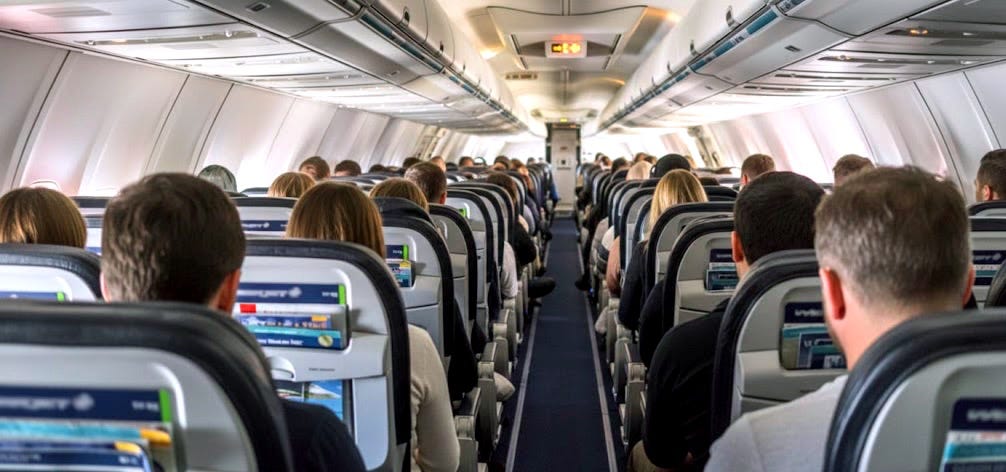
You’re half an hour into the flight.
It starts with a few bumps. Then the whole cabin shakes for a good thirty seconds. The seatbelt sign comes on.
You look at the cockpit door and wait.
Nothing.
No announcement. No captain’s voice. Just… silence.
And that’s when your brain fills in the blanks.
Why aren’t they saying anything?
Is it worse than they expected?
Are they dealing with something up there?
I’ve been on the other side of that door for over 25+ years. Here’s what’s actually going on.
Silence Means Normal Operations
First, I get why silence can feel unsettling. Turbulence is uncomfortable, and when no one explains it, your mind naturally goes looking for answers.
But here’s the reality:
When pilots don’t say anything during turbulence, it’s usually because nothing operationally wrong is happening.
We’re not alarmed. We’re not dealing with a problem. We’re not “handling” anything dramatic. We’re just flying through weather, something we do every single day.
If there were an engine issue, a pressurization problem, or anything that required your attention, you would absolutely hear from us. But probably not right away.
We have a priority list. First we fly the airplane. Then we talk to ATC. Then we work through our checklists and make decisions. Then we brief the cabin crew. And finally, when all of that is handled, we talk to you.
So if we’re quiet, it either means nothing’s wrong or we’re busy dealing with something and you’re next on the list. Either way, silence isn’t a bad sign.
Everyday bumps don’t qualify.
Announcing every bit of chop would be like your doctor calling every hour to say, “Your heartbeat is still normal.”
Reassuring once. Concerning the tenth time.
The Cockpit Is Anything But Quiet
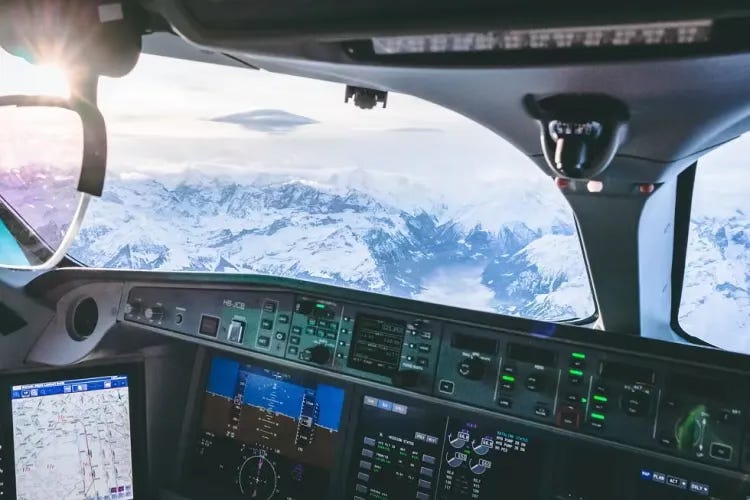
That doesn’t mean the cockpit is silent.
Far from it.
Two pilots, seatbelts tight. Radar up. Hands light on the controls. Calm voices. Normal flow.
We’re talking to air traffic control. We’re listening to pilots ahead of us reporting ride conditions.
“Light chop at 350.”
“Smooth at 370.”
“Much better twenty miles left.”
There’s a constant stream of information moving between airplanes and controllers, and we’re adjusting if we need to.
Making a passenger announcement interrupts that flow. We have to stop, pick up the interphone, decide what to say, say it, then get back to what we were doing.
For mild or short-lived turbulence, it’s usually not necessary.
Why Too Much Reassurance Can Backfire
This surprises a lot of people.
Constant updates during turbulence can actually increase anxiety.
If the captain comes on every five minutes saying, “Still a bit bumpy, folks, nothing to worry about,” you start to wonder why it keeps being mentioned. If it’s really fine, why the repeated reassurance?
Sometimes the most calming thing we can do is… nothing.
The flight attendants staying relaxed.
The cockpit door staying closed.
No urgency. No drama.
Silence is the signal.
When You Will Hear From Us
There are times we’ll speak up.
If we know before departure that the ride will be rough maybe there’s a weather system along the route, we’ll often mention it on the ground. Not to scare you, but to set expectations.
In the air, if the turbulence will last a while or get stronger, you’ll hear something like:
“About twenty more minutes of this please stay seated.”
That’s not about the airplane. It’s about keeping you and the flight attendants safe.
If we change altitude or make a noticeable deviation, we’ll mention that too — because you’ll feel it and wonder why.
But the everyday bumps at cruise altitude?
That’s just weather.
We don’t announce weather.
The Quiet Is the Reassurance
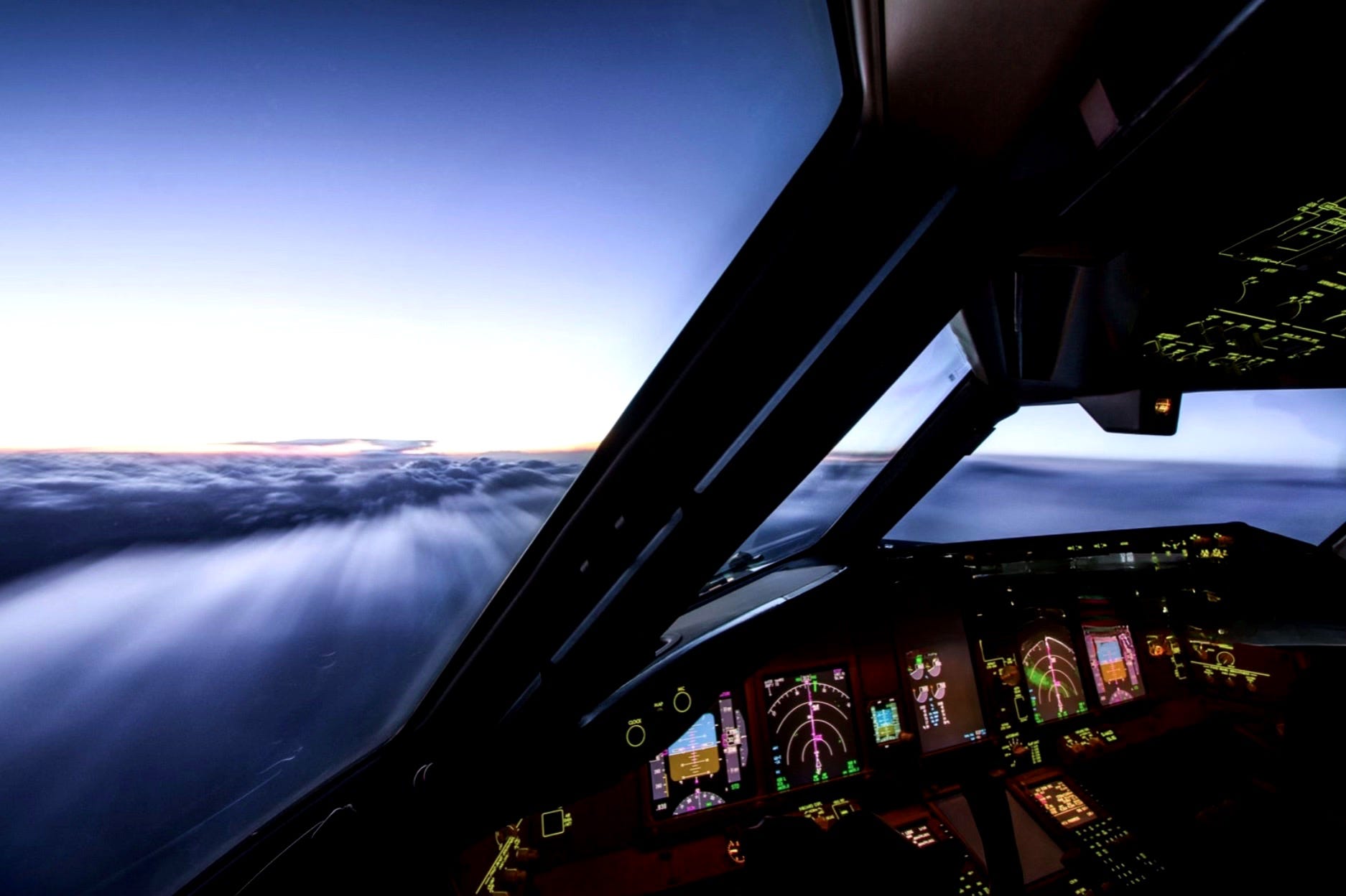
When the cockpit is quiet, it’s not because we forgot about you.
It’s not because we’re overwhelmed.
It’s because there’s nothing to say.
We’ve seen this thousands of times. We’re watching the radar, talking to ATC, adjusting if needed — and trusting that the seatbelt sign already told you what you needed to know.
Understanding how pilots think turns noise into information — and silence into reassurance.
And that brings us to something most people misunderstand even more than turbulence…
There’s one cockpit signal passengers misunderstand even more than silence and it’s probably the one you’re watching right now.
