


👂 Passengers hear the roar. Pilots read checklists.
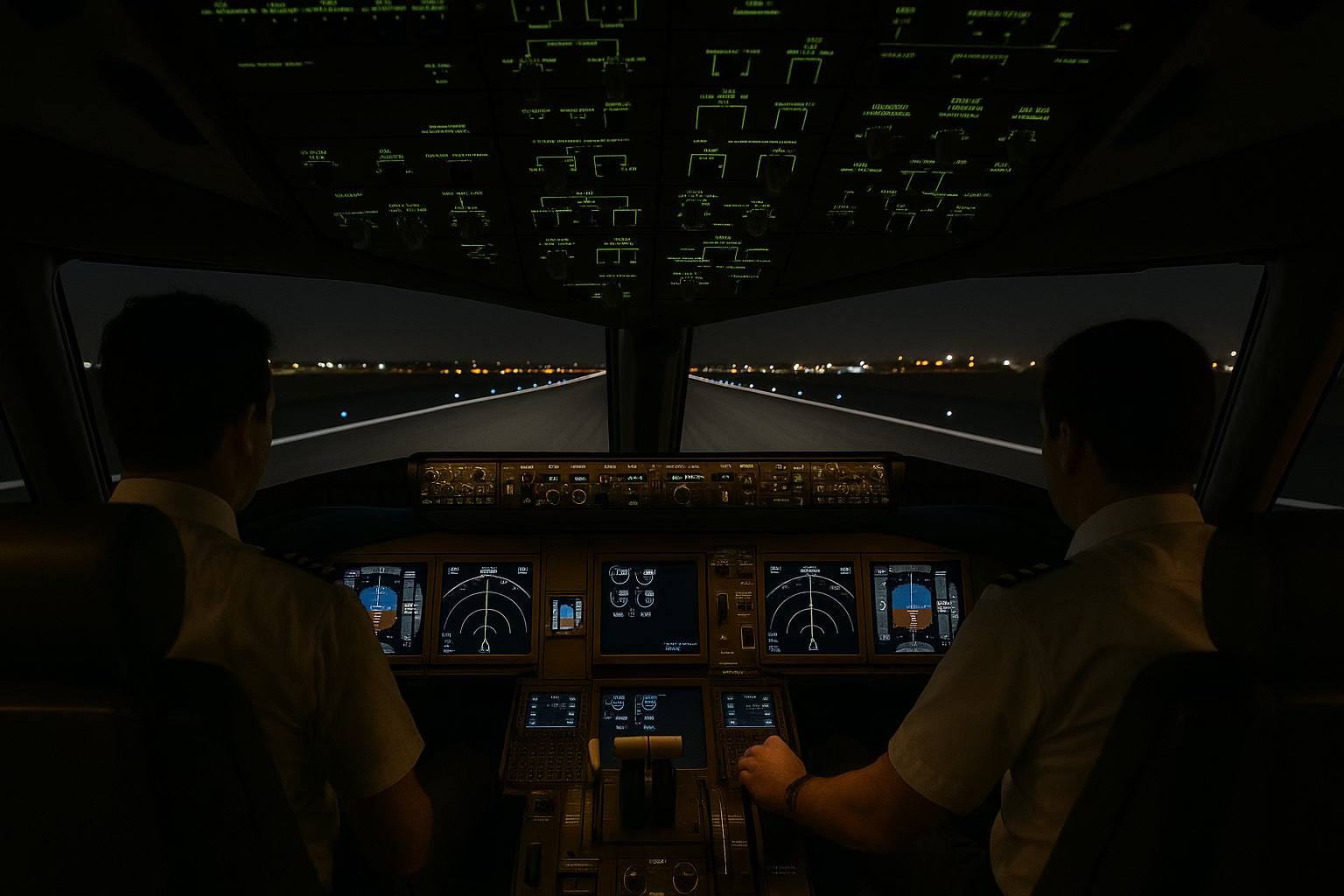
Every time I step onto the flight deck and prepare for takeoff, I'm reminded of something simple:
What feels like a tense moment for many passengers is, for me, a beautifully choreographed routine, refined over thousands of hours.
But that doesn’t mean it isn’t special. Even after 27 years and 8,000+ flights, there’s still magic in watching tons of metal lift off the ground.
🧠 Before the Engines Even Start…
Long before you hear “Cabin crew, prepare for departure,” my first officer and I are already deep in planning mode usually at least an hour before departure.
Here’s what we’re doing:
🛰️ Reviewing the weather (departure, destination, alternate airports, enroute turbulence, winds…)
🗞️ Checking NOTAMs
⛽ Deciding how much fuel we need and adding extra if delays or weather warrant it
👥 Briefing our cabin crew
👟 One of us walks around the aircraft for a visual check
🧑✈️ The other powers up the cockpit, runs system tests, and programs the flight management computer
Then we move to:
✅ Double-checking weight & balance
✈️ Calculating takeoff speeds based on runway, weather, aircraft weight
🗺️ Reviewing the departure route
⚠️ Rehearsing emergency scenarios (like an engine failure at the worst possible moment)
🎼 And making sure we’re following the same SOPs “playing the same music,” as we say.
This prep isn’t about fear it’s about eliminating uncertainty.
👀 The Takeoff Dance Begins…
As we taxi toward the runway, my focus narrows.
I’m scanning for:
📡 ATC instruction and changes
🌬️ Wind changes
✈️ Other traffic nearby
My hand rests lightly on the throttles, feeling the engine vibrations, getting a sense of this aircraft’s “mood.”
Just before takeoff, I also run a quick mental review:
What will I do if something goes wrong during the roll? What if we have a failure just after becoming airborne?
💭 These aren’t new thoughts, we’ve trained for them dozens of times in the simulator
Then we hear: “Cleared for takeoff.”
🛫 I advance the throttles. The engines spool up with a powerful whine. Acceleration kicks in.
This is one of my favorite moments when potential becomes motion.
📊 What I’m Watching (While You’re Gripping the Armrest)
While passengers feel the surge, I’m laser-focused on:
🧭 Airspeed indicators
⚙️ Engine performance
🛬 Centerline alignment
The cockpit isn’t chaotic—it’s calm, focused, deliberate.
👨✈️ My colleague, acting as Pilot Monitoring, is scanning instruments and ready to call for an abort if anything seems off.
🛑 Up to 80 knots, we’ll reject the takeoff for any issue an alarm, unexpected noise.
⚠️ Between 80 knots and V1, we’ll only abort for serious, critical failures (like engine fire or loss of control).
✅ After V1, we’re fully committed to fly. It’s safer to continue the takeoff and return to land rather than try to stop on the remaining runway.
Time slows. Awareness sharpens. Everything is intentional.
✨ The Magic Moment
At about 140-160 knots (≈184 mph), I hear:
“V1” – we’re committed.
“Rotate” – time to fly.
With a smooth pull on the yoke, I raise the nose. The aircraft lifts off effortlessly.
The landing gear unloads. Suddenly we’re airborne.
Not too steep. Not too shallow. 2–3 degrees per second. Precision matters.
And even now, I sometimes feel that quiet awe:
We’re flying. We made this possible.
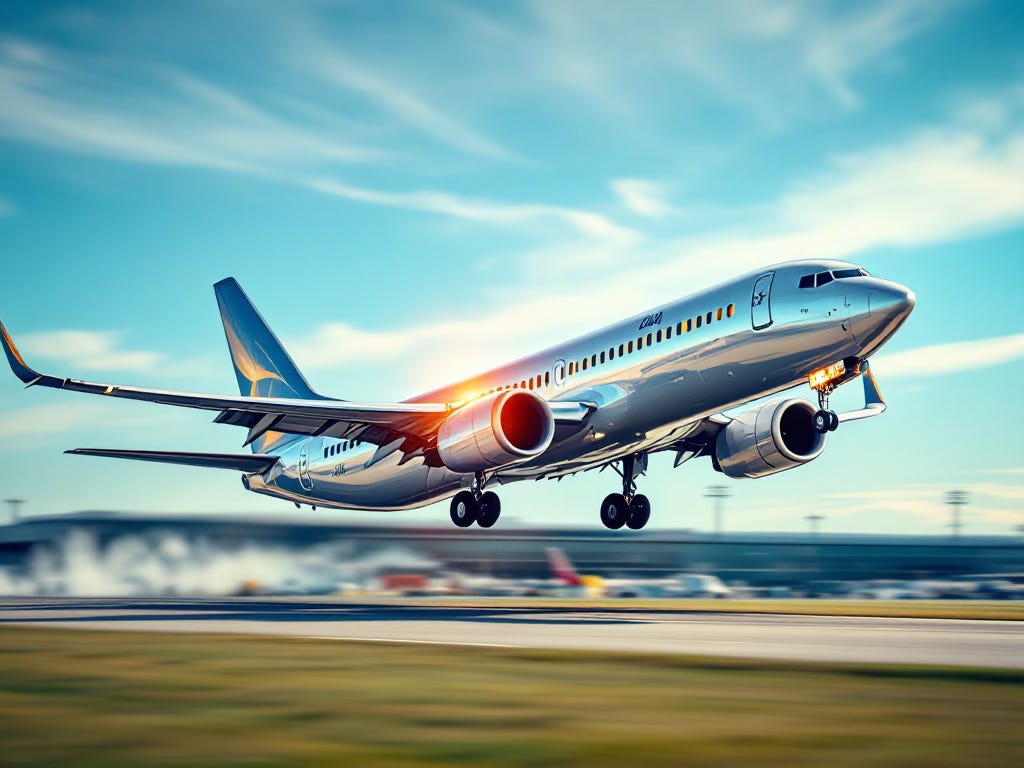
🛠️ The Work Doesn’t Stop There
“Positive rate.”
“Gear up.”
The gear retracts with a satisfying thunk. Acceleration increases.
We:
Follow noise abatement procedures
Reduce thrust at set altitudes
Retract slats and flaps (you can see it from your window)
Navigate around terrain or weather as needed
Complete our after-takeoff checklist
By 10,000 feet, we’re in a clean climb configuration.
Autopilot goes on when I decide it’s the right time. Only then might I glance out and take in the sky.
💬 What I Wish Nervous Flyers Knew
That roar? That acceleration? That bump as the wheels leave the ground?
🎯 Those are good signs.
They mean everything is working as it should.
You might feel like takeoff is risky—but for us, it’s a routine we’ve trained for extensively.
It’s backed by engineering brilliance, system redundancies, and decades of expertise.
✈️ This isn’t a leap of faith.
It’s the result of planning, precision, and professionalism.
So next time the nose lifts off, remember:
🧑✈️ We’ve done this thousands of times
🛩️ Your aircraft is performing exactly as expected
🙌 You’re in expert hands, from pushback to touchdown
💌 Like posts like this?
Subscribe to Lessons from the Flight Deck for weekly insights to calm your mind, decode what’s happening in the sky, and feel more confident every time you fly.
👉 Download your “Calm Before You Board"