


When Captain Chesley "Sully" Sullenberger's engines failed over New York City in 2009, he didn't panic. He didn't freeze. Instead, he methodically worked through a mental framework that every pilot learns from day one, a framework that turned a potential catastrophe into what's now known as the "Miracle on the Hudson”.
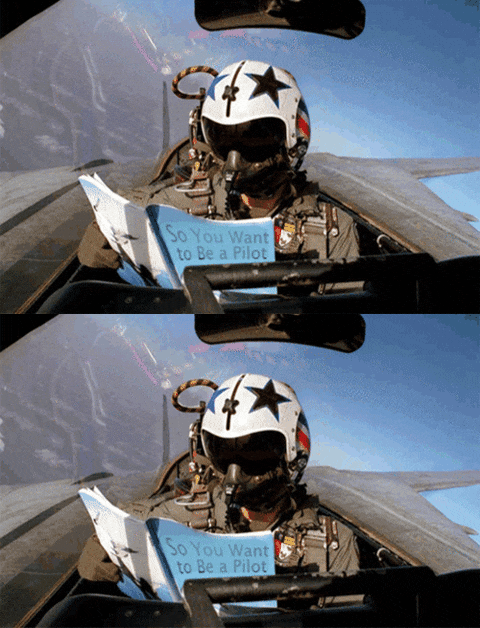
As pilots, we're not superhuman. We feel the same rush of adrenaline and fear that anyone would in a crisis. The difference is that we've been trained to think in a specific way that overrides our natural panic response. And this training never stops, every six months, we're back in the simulator, practicing these mental frameworks over and over.
Emergency scenarios, system failures, weather challenges, we rehearse them until the proper responses become muscle memory.
After years of this biannual training, what looks like calm professionalism in a crisis is actually the result of countless hours of practice. We've been in simulated versions of these situations so many times that when the real thing happens, our minds automatically shift into the trained response pattern.
And here's the thing: these same mental tools can transform how you experience flying as a passenger.
The Sacred Trinity: Aviate, Navigate, Communicate
Every pilot knows these three words by heart. They represent our priority system in any emergency, and they're listed in order of importance for a reason.
