



472 Flights Rerouted, Zero Incidents: What Travelers Need to Know to Fly Safely Right Now
If you’re watching the headlines and feeling nervous, here’s the good news: while airspace changes have caused major detours, flight crews are keeping you safe, every time.
In this note: what’s really happening, how airlines are adapting, and simple tips to keep your next trip smooth (and your mind calm).
🚨 Crisis Travel Alert: Plan Smart, Fly Safer
Summer vacation season has collided with one of the most significant aviation disruptions in recent years. With 400+ daily flight cancellations across Middle Eastern airports and widespread airspace closures, your dream vacation could turn into a logistics nightmare. But don't panic—smart travelers who plan ahead are still reaching their destinations safely.
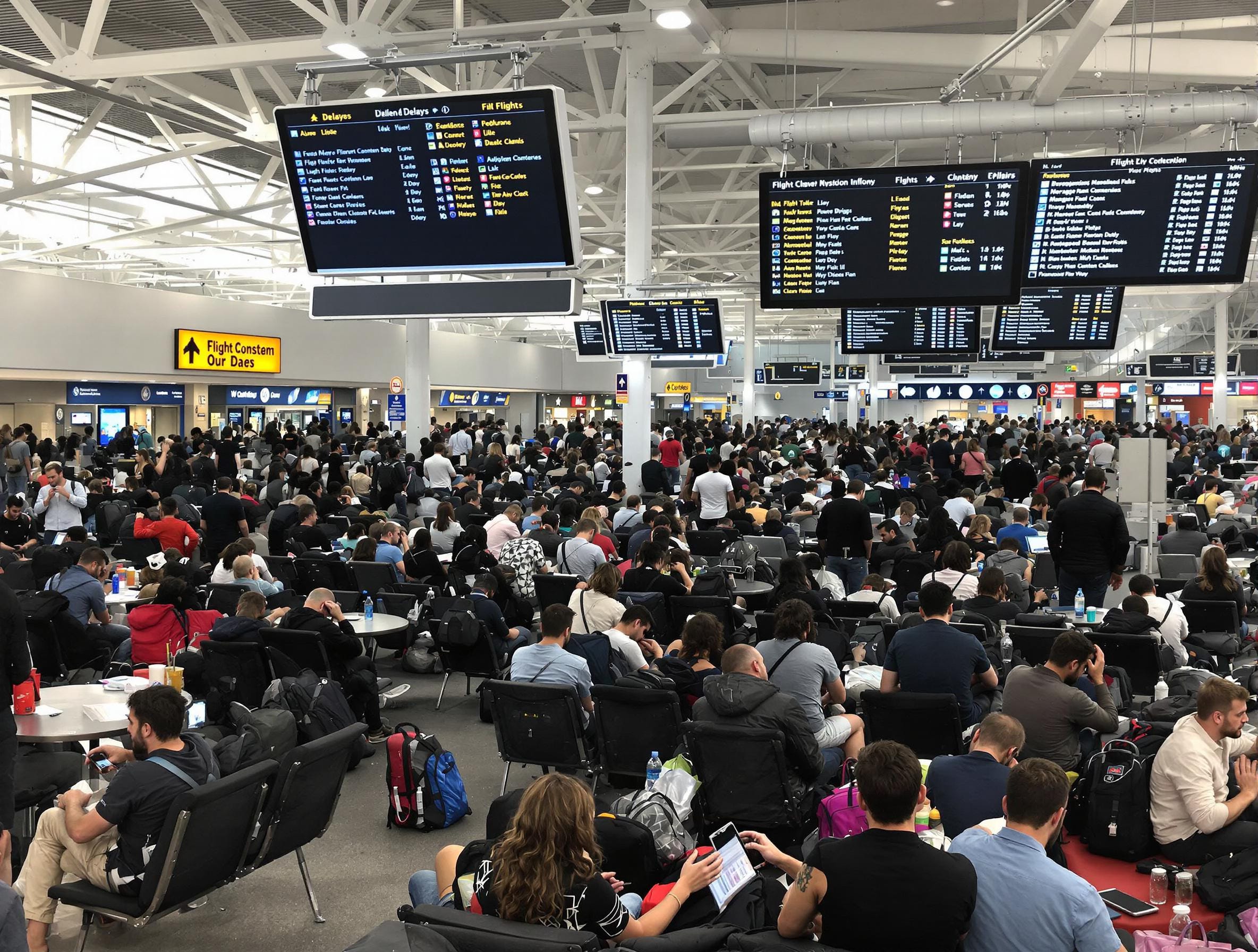
🛡️ Safety First: What Airlines Are Actually Doing
The Reality Check: Commercial aviation is responding with extreme caution to the Israel-Iran conflict. Airlines aren't taking risks, they're eliminating them entirely.
Current Safety Measures:
Complete airspace avoidance over Iran, Iraq, Syria, and conflict zones
Mandatory rerouting through safer corridors (Caspian Sea north, Red Sea south)
Proactive flight cancellations rather than risky routing
Enhanced GPS monitoring to combat signal interference over the Persian Gulf
24/7 security assessments by airline operations centers
Bottom Line: If your flight takes off, it's safe. Airlines are cancelling rather than compromising safety.
🗺️ Route Planning: Avoid the Chaos Zones
HIGH-RISK ROUTES TO AVOID:
Any flights to/from: Iran, Iraq, Syria, Israel, parts of Jordan
Connections through: Some Middle East hubs (limited operations)
Europe-to-Asia routes that typically transit Middle East airspace
SAFER ALTERNATIVE ROUTES:
Europe to Asia: Route through Turkey, Russia (northern corridor) or southern Africa
US to Asia: Pacific routes avoid Middle East entirely
Europe connections: Use Frankfurt, Amsterdam, Paris instead of Dubai/Doha
Asian hubs: Singapore, Tokyo, Hong Kong for Asia-Pacific travel
CURRENTLY RELIABLE HUBS:
European: London, Paris, Frankfurt, Amsterdam, Istanbul
Asian: Singapore, Tokyo, Seoul, Hong Kong
North American: All major US/Canadian airports operating normally
Alternative Middle East: Some UAE operations continuing with delays
⏰ Timing Your Travel: When to Fly
BEST TRAVEL WINDOWS:
Early morning departures (6-8 AM) - fewer cascading delays
Mid-week travel (Tuesday-Thursday) - lower passenger volume
Avoid Fridays/Sundays - highest disruption impact days
SEASONAL CONSIDERATIONS:
Peak disruption period: June 13 - present (ongoing)
Expected improvement: Uncertain - monitor weekly
Holiday impact: July 4th weekend could compound delays
🎯 Smart Booking Strategies
AIRLINE SELECTION:
Most Reliable Currently:
European carriers: Lufthansa, Air France-KLM, British Airways (on non-Middle East routes)
Asian carriers: Singapore Airlines, JAL, Korean Air
US carriers: Delta, American, United (domestic and Pacific routes)
Avoid for Now:
Middle East carriers: Emirates, Qatar, Etihad (limited operations)
Regional Middle East airlines: Most suspended or severely limited
BOOKING TACTICS:
Book directly with airlines for easier rebooking
Choose refundable fares if budget allows
Avoid basic economy - you need flexibility
Book morning flights to minimize delay cascading
Allow 3-4 hour connections instead of usual 1-2 hours
📱 Technology Tools for Crisis Travel
ESSENTIAL APPS:
FlightAware/Flightradar24: Real-time flight tracking and diversions
Your airline's official app: Instant rebooking capabilities
Google Flights: Alternative route discovery
TripIt: Centralized itinerary management with alerts
NOTIFICATION SETUP:
Enable all airline push notifications
Set up flight status email alerts
Subscribe to airport Twitter/social feeds
Download offline maps for unexpected destinations
🧳 Packing for Uncertainty
CARRY-ON ESSENTIALS:
2-3 days of medications (in case of delays)
Phone chargers and power banks
Change of clothes and underwear
Important documents (digital and physical copies)
Snacks and empty water bottle
Travel-size toiletries
DOCUMENTATION:
Digital copies of all travel documents in cloud storage
Emergency contact list with consulate numbers
Travel insurance policy details
Hotel confirmation numbers
💰 Financial Protection Strategies
TRAVEL INSURANCE:
"Cancel for Any Reason" policies - worth the extra cost now
Coverage for trip interruption and additional accommodation
Medical coverage if diverted to unexpected countries
PAYMENT METHODS:
Use credit cards with travel protection benefits
Premium cards often include trip delay insurance
Keep cash in major currencies (USD, EUR) for emergencies
AIRLINE POLICIES:
Know your rebooking rights - many airlines waiving change fees
Document all expenses during airline-caused delays
Keep receipts for meals, hotels during extended delays
🚨 Day-of-Travel Protocol
24 HOURS BEFORE:
Check flight status every 2 hours
Online check-in as early as possible
Download boarding passes
Confirm ground transportation
DEPARTURE DAY:
Arrive 3 hours early for international flights
Check status before leaving home
Have backup flight options researched
Bring entertainment for potential long delays
AT THE AIRPORT:
Find airline customer service immediately if issues arise
Ask about alternative routing proactively
Consider nearby airports for rebooking
Stay near departure gates - last-minute changes common
📞 Emergency Contacts & Resources
AIRLINE CUSTOMER SERVICE:
Call international numbers - often shorter wait times
Use social media for faster responses (@AirlineSupport)
Elite status phone lines if you have status
GOVERNMENT RESOURCES:
US State Department: travel.state.gov for advisories
Smart Traveler Enrollment Program (STEP) for US citizens
Your embassy/consulate contacts for destination countries
🔮 Looking Ahead: What to Expect
SHORT-TERM (Next 2-4 weeks):
Continued disruptions likely through July
Gradual improvement as airlines adapt routes
Higher prices on alternative routings
MEDIUM-TERM (Summer 2025):
New normal routing patterns may emerge
Capacity adjustments on affected routes
Potential fare increases due to longer flight times
✅ Your Pre-Flight Checklist
□ Route avoids Middle East conflict zones
□ Booked with reliable carrier on safe routing
□ Travel insurance with "cancel for any reason" coverage
□ All airline apps downloaded with notifications enabled
□ Flexible accommodation bookings
□ Emergency contacts and documents organized
□ Power banks and entertainment downloaded
□ 3+ hour connections for international transfers
□ Morning departure time when possible
□ Credit card with travel protections ready
💡 Pro Tips from Experienced Crisis Travelers
"Book the first flight of the day - it's least likely to be affected by cascading delays." - Aviation consultant
"Have three backup routing options researched before you even book your original flight." - Travel blogger
"The airline app is your best friend - faster than calling customer service." - Frequent flyer
"Pack like you might get stuck somewhere unexpected for 48 hours." - Crisis management expert
🎯 The Bottom Line
Flying during this crisis requires more planning, flexibility, and patience than usual summer travel. But millions of passengers are still reaching their destinations safely every day. The key is avoiding affected routes, choosing reliable airlines, and having solid backup plans.
Remember: Airlines prioritize safety above all else. If your flight operates, it's because aviation professionals have determined it's safe to do so.
📬 Get more cockpit insights and travel tips, subscribe free to Lessons From the Flight Deck for weekly updates that help you fly calm and confident or visit https://www.skycalm.org
Fly Safe, Pilot Nick

Excellent tips Nick and for reiterating how airlines handle conflicts.