



You’re at the gate. Boarding is about to start.
Your flight appears on the departure board. The aircraft is parked at the jet bridge. The crew has arrived. Everything looks ready.
But in the cockpit, a decision hasn’t been made yet.
We’re running numbers.
Three specific calculations. Three hard limits. Three numbers that must all be green before we ever push back from that gate.
If even one is wrong if even one crosses into the red zone by a single digit, the flight doesn’t go. Not delayed. Not “we’ll figure it out.”
❌ We don’t go.
This is the go/no-go decision. And it happens on every single flight you’ve ever taken.
Here’s what we’re actually calculating while you’re boarding.
👀 The Moment Passengers Never See
You: Settling into your seat. Checking that your bag fits overhead. Turning on airplane mode.
Us: Staring at three numbers on a screen. Running calculations that will determine whether this flight leaves the ground at all.
Most passengers never know this moment exists.
You assume the flight is happening. The gate agent called your boarding group. The crew walked past you down the jet bridge. The flight attendants are closing overhead bins.
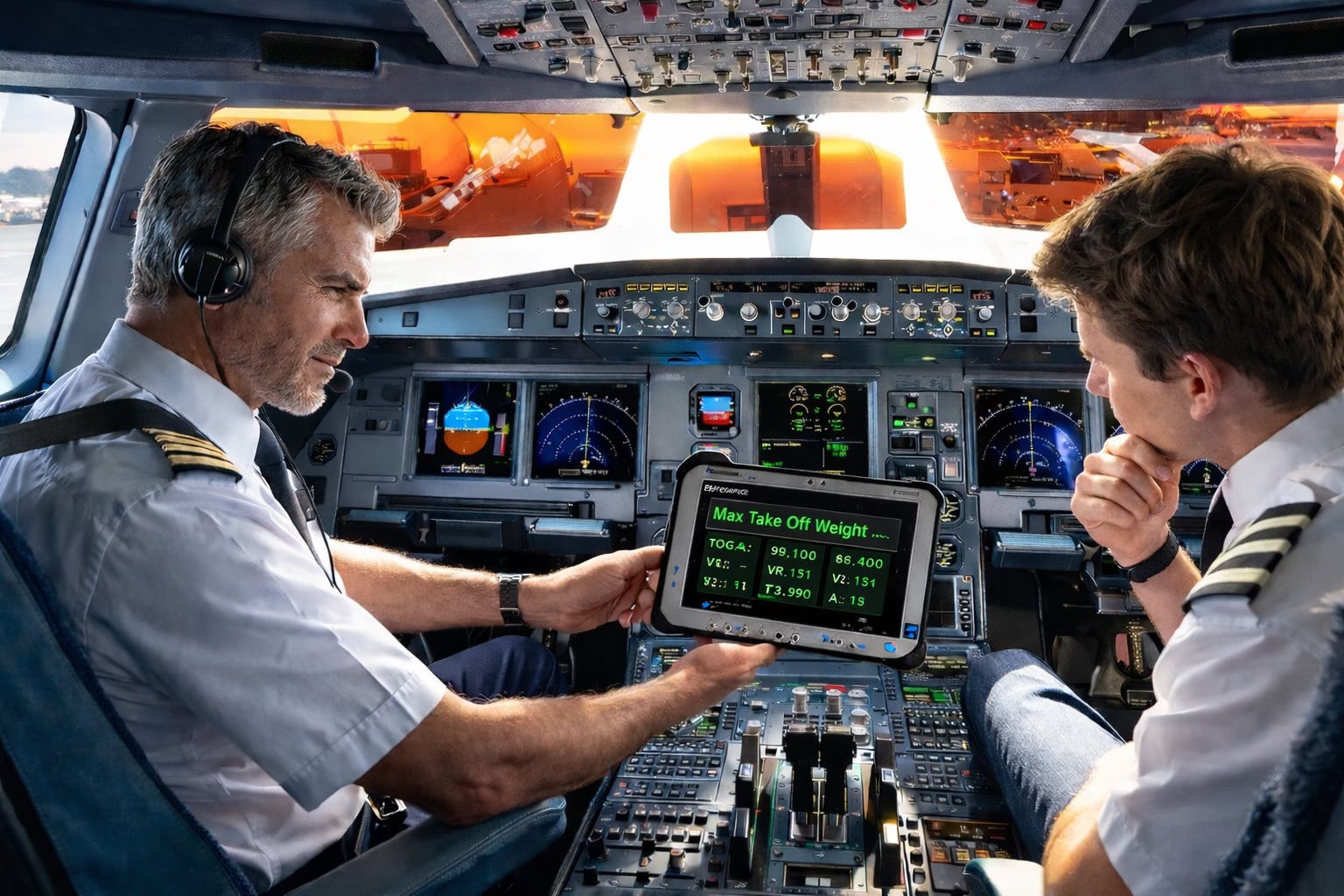
But until these three numbers are verified until every calculation checks out and every limit is satisfied, nothing is guaranteed.
The three numbers:
1️⃣ Maximum Takeoff Weight
2️⃣ Landing Distance Required
3️⃣ Minimum Fuel
If any one of these numbers is wrong, we don’t go.
Let me show you why.
Number 1: Maximum Takeoff Weight
What it is: The maximum weight at which this specific aircraft, on this specific runway, in these specific conditions, can safely take off.
Why it matters: Physics doesn’t negotiate.
Every aircraft has an absolute maximum structural weight limit. But that’s not the number we use. The actual takeoff weight limit is always lower and it changes based on:
• Runway length available
• Runway slope (uphill vs downhill)
• Temperature (hot air = less lift)
• Pressure altitude (high elevation = thin air)
• Wind (headwind helps, tailwind hurts)
• Runway condition (dry, wet, contaminated)
How we calculate it:
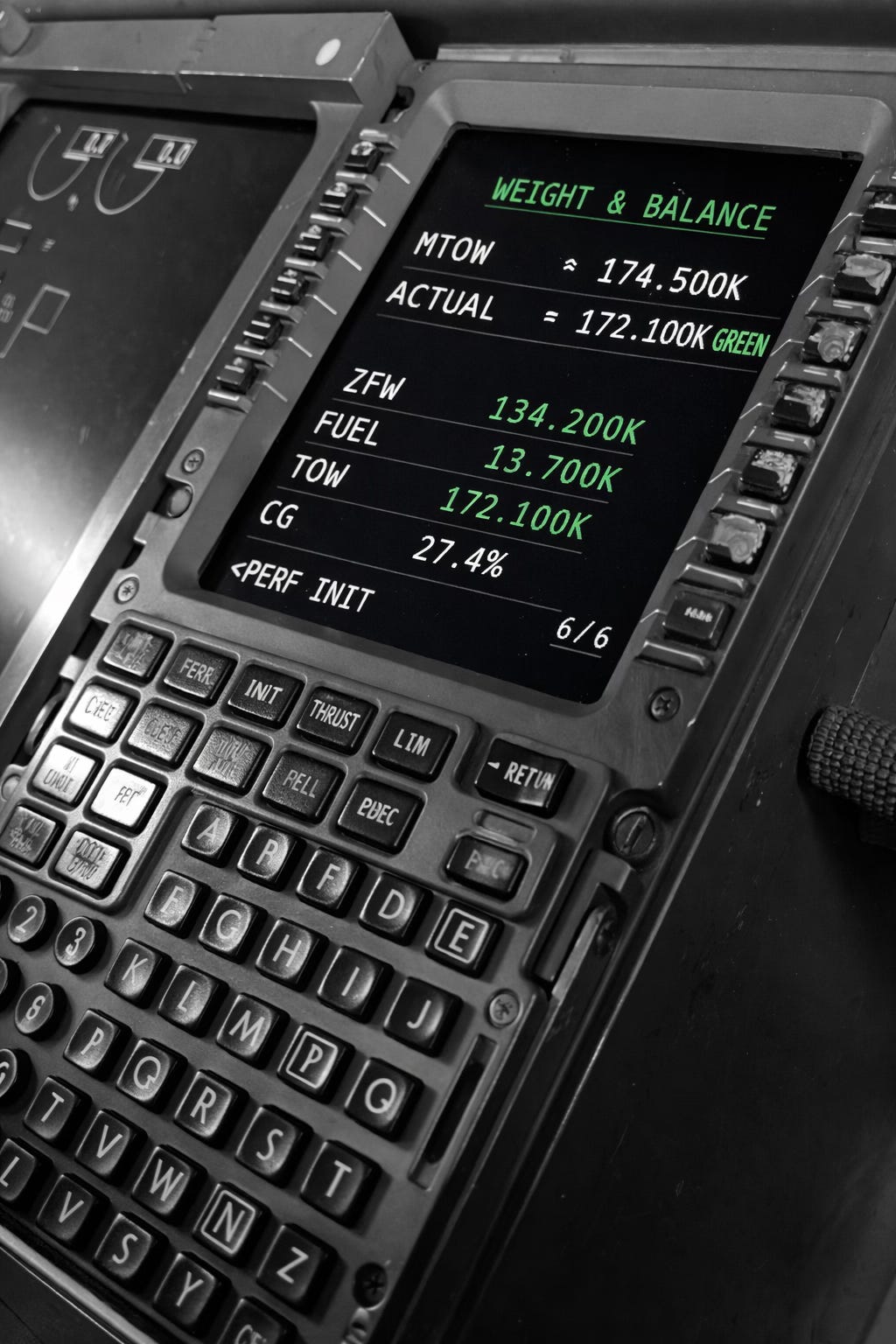
We input all the variables runway length, temperature, wind, altitude into the flight management computer. It tells us the maximum weight we can safely take off at.
That weight includes everything:
• The empty aircraft itself
• Every passenger (with a standard weight assigned)
• Every checked bag
• All cargo
• Every gallon of fuel
• Catering, supplies, everything on board
We add it all up.
Here’s what passengers don’t realize:
Everything is weighed. Your bags at check-in. The cargo going underneath. Even passengers are assigned standard weights (which vary by season, route, and whether it’s domestic or international).
We don’t guess. We know the exact weight of everything on board.
If the total exceeds the maximum for today’s conditions, we have to fix it before we go:
1. Reduce fuel (if we have extra beyond our minimums this is the first option)
2. Offload bags or cargo (more common than passengers realize)
3. Offload passengers (absolute last resort, extremely rare)
The number must be green. ✅
Even 50 pounds over? We don’t go until it’s fixed.
No exceptions. No “close enough.” The physics of flight doesn’t negotiate.
🔒 THE NEXT TWO NUMBERS ARE WHERE IT GETS REALLY INTERESTING
You’ve seen how takeoff weight works. But the landing distance calculation and fuel minimums? That’s where the real complexity lives and where most go/no-go decisions actually get made.

This is premium content that shows you exactly how pilots make the hardest calls.
Already a premium member? Keep reading below ↓
