


When flying, safety is the top priority. Pilots undergo rigorous training to handle any situation that may arise during a flight. This training includes emergency procedures to ensure the safety of everyone on board.
Aircraft safety is a multifaceted concept that involves regular maintenance, pre-flight checks, and adherence to strict safety protocols. Pilots are trained to remain calm and composed under pressure, making swift decisions to address any issues that may occur.
The combination of pilot training and robust aircraft safety measures provides a secure flying environment. By understanding the measures in place, passengers can feel more at ease during their journey.
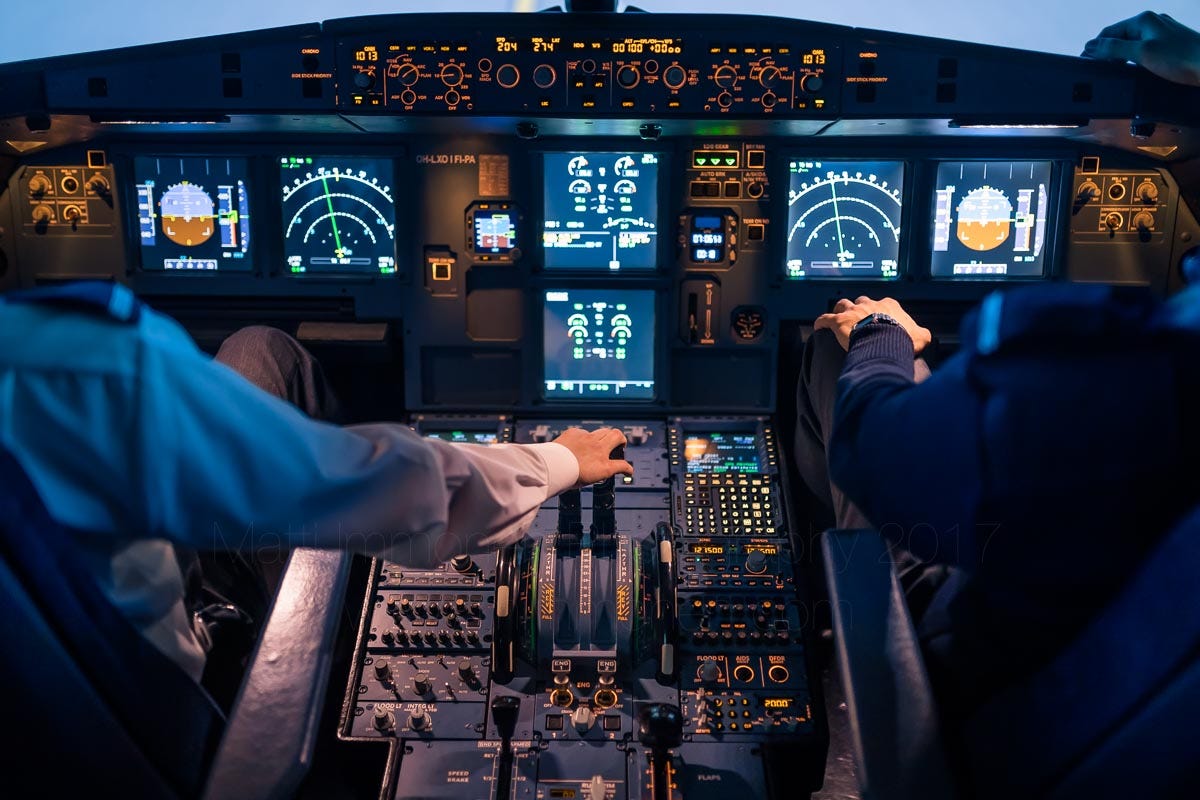
🔑 Key Takeaways
Pilots undergo rigorous training to handle emergency situations.
Aircraft safety involves regular maintenance and pre-flight checks.
Pilots are trained to remain calm under pressure.
Strict safety protocols are in place to ensure a secure flying environment.
Understanding safety measures can alleviate passenger concerns.
🎓 The Extensive Training Behind Every Pilot's License
Pilots undergo extensive training to ensure they can handle emergencies with confidence and precision. This comprehensive training is a critical component of aviation safety.
The training process is multifaceted, involving both theoretical knowledge and practical skills. It is designed to prepare pilots for a wide range of scenarios, from normal flight operations to emergency situations.
Simulator Training for Emergency Scenarios
Simulator training is a crucial aspect of pilot training, allowing pilots to practice responding to emergency situations in a realistic and controlled environment. High-fidelity simulators replicate the actual flight experience, making the training highly effective.
Simulators can recreate various emergency scenarios, including system failures and adverse weather conditions.
Pilots can practice their response to these scenarios, developing the skills and confidence needed to handle them in real life

.

High-Fidelity Emergency Simulations
These simulations mimic real-life emergency scenarios, enabling pilots to practice their response to critical situations such as system failures or adverse weather conditions.
Practicing Rare but Critical Failures
Pilots also train for rare but potentially catastrophic failures, ensuring they are prepared for any eventuality. This training is vital for enhancing safety.
Recurrent Training Requirements
To maintain their licenses, pilots must undergo recurrent training. This ensures that their skills and knowledge remain up-to-date, covering both normal procedures and emergency protocols.
Recurrent training typically includes a review of emergency procedures, simulator training, and assessments to ensure pilots meet the required standards.
🤝 Crew Resource Management Training
Crew Resource Management (CRM) training focuses on the human factors aspect of flight safety, teaching pilots how to work effectively as a team, make decisions under pressure, and manage stress.
CRM training is essential for enhancing crew performance and reducing the risk of human error, which is a significant factor in many aviation incidents

.
✈️ Aircraft Design: Built-in Safety and Redundancy
Safety is paramount in aircraft design, with engineers implementing multiple layers of redundancy to mitigate potential failures. This approach ensures that aircraft can continue to operate safely even if one or more systems fail.
⚙️ Multiple Systems for Critical Functions
Aircraft are equipped with multiple systems for critical functions to ensure continued safe operation. These include backup systems for electrical power, flight controls, and navigation.
⚡ Backup Electrical Systems
Aircraft have backup electrical systems to provide power in case the primary system fails. This redundancy is crucial for maintaining essential functions.
🕹️ Redundant Flight Controls
Redundant flight controls allow pilots to maintain control of the aircraft even if one system is compromised. This is a critical safety feature.
📍🗺️ Duplicate Navigation Systems
Duplicate navigation systems ensure that pilots can continue to navigate safely even if one system fails. This includes GPS and other navigation aids.
📐 Fail-Safe Engineering Principles
Fail-safe engineering principles are integral to aircraft design. These principles ensure that systems default to a safe state in case of failure.
📋 The Power of Aviation Checklists
The use of checklists in aviation is a testament to the industry's commitment to safety and precision. Checklists are designed to ensure that pilots follow standardized procedures, minimizing the risk of human error and enhancing overall safety.
Normal Procedure Checklists
Normal procedure checklists are used during routine flight operations. They guide pilots through pre-flight checks, engine start procedures, and other standard tasks. These checklists help ensure that every step is taken in the correct order, reducing the likelihood of oversight.
Emergency Procedure Checklists
In emergency situations, pilots rely on emergency procedure checklists to respond quickly and effectively. These checklists outline the necessary steps for handling various emergencies, such as system failures or medical emergencies on board. By following these checklists, pilots can manage crises with confidence.
Quick Reference Handbooks
Quick Reference Handbooks (QRHs) are another critical tool for pilots. QRHs provide concise information on handling abnormal and emergency situations. They are designed to be easily accessible and consulted during critical phases of flight, offering pilots a quick guide to managing unexpected events.
Checklist TypePurposeUsage ScenarioNormal Procedure ChecklistsGuide routine operationsPre-flight, engine startEmergency Procedure ChecklistsOutline emergency responsesSystem failures, medical emergenciesQuick Reference HandbooksProvide concise emergency infoAbnormal and emergency situations
In conclusion, aviation checklists are a vital component of flight safety. By standardizing procedures and providing clear guidelines for both normal and emergency situations, checklists help pilots navigate the complexities of flight operations with confidence and precision

.
😌 A Reassuring Rundown of Redundancy, Checklists, and Calm Procedures
Flying is one of the safest modes of transportation, thanks in large part to the redundancy, checklists, and calm procedures employed by pilots. These three elements work together to create a robust safety net that protects passengers and crew.
How Redundancy Creates Multiple Safety Nets
Redundancy is a critical component of aviation safety. By duplicating critical systems and components, aircraft designers ensure that if one system fails, another can take its place. This redundancy creates multiple safety nets, allowing pilots to respond effectively to unexpected events.
For example, commercial aircraft often have multiple engines, hydraulic systems, and electrical generators. This duplication enables the aircraft to continue operating safely even if one of these systems fails.
SystemPrimary FunctionRedundant ComponentEnginePropulsionSecondary EngineHydraulic SystemFlight ControlBackup Hydraulic SystemElectrical GeneratorPower SupplySecondary Electrical Generator
💡 The Science Behind Checklist Effectiveness
Checklists are a crucial tool for pilots, helping to ensure that critical tasks are completed correctly and consistently. The science behind checklist effectiveness lies in their ability to reduce errors and improve performance under stress.
By following a standardized checklist, pilots can verify that all necessary steps have been taken, even in high-pressure situations. This helps to minimize the risk of human error and ensures that safety protocols are followed.
Key benefits of checklists include:
Improved accuracy
Reduced errors
Enhanced safety
Training for Emotional Control Under Pressure
Pilots undergo rigorous training to develop the skills and emotional control needed to respond effectively in emergency situations. This training includes simulator exercises, crew resource management, and stress management techniques.
By learning to manage their emotions and respond calmly under pressure, pilots can make better decisions and take the necessary actions to ensure the safety of everyone on board.
📣 Cockpit Communication During Emergencies
In emergency situations, the ability of pilots to communicate clearly and follow established protocols can significantly impact the outcome. Effective cockpit communication is not just about conveying information; it's about ensuring that the crew and passengers are managed safely through the crisis.
The foundation of cockpit communication during emergencies is built around priority systems, protocols with air traffic control (ATC), and the delicate task of keeping passengers informed.
The "Aviate, Navigate, Communicate" Priority System
The "aviate, navigate, communicate" mantra is a prioritization technique used by pilots to manage their workload during emergencies. Aviate means maintaining control of the aircraft, navigate involves plotting a safe course, and communicate refers to informing others of the situation. This structured approach ensures that pilots focus on the most critical tasks first.
📡 Clear Communication Protocols with ATC
Clear communication with ATC is vital during emergencies. Pilots use standardized phraseology to convey their situation and needs. For example, declaring an emergency with "Mayday" or "Pan-Pan" calls alerts ATC to the severity of the situation, ensuring a prompt and appropriate response

.
🎙️ Informing Passengers: Balancing Honesty and Reassurance
When it comes to informing passengers, pilots must strike a balance between honesty about the situation and reassurance to avoid panic. The goal is to keep passengers informed enough to understand the situation without causing undue alarm.
Communication AspectDescriptionImportance LevelAviate, Navigate, CommunicatePriority system for managing emergenciesHighStandardized Phraseology with ATCClear and concise communication with air traffic controlHighPassenger CommunicationBalancing honesty with reassuranceMedium
⚖️ Decision-Making Frameworks for In-Flight Problems
Pilots rely on systematic decision-making frameworks to tackle in-flight problems effectively. These frameworks are designed to help pilots assess situations, weigh options, and make informed decisions quickly.
The decision-making process in the cockpit is complex and involves multiple factors. It requires a combination of training, experience, and the ability to remain calm under pressure. Pilots are trained to follow a structured approach to decision-making, which helps in managing in-flight problems efficiently.
⏳ Time-Critical vs. Non-Time-Critical Decisions
Decisions made during flight can be categorized into time-critical and non-time-critical decisions. Time-critical decisionsare those that need to be made immediately, such as responding to a system failure or severe weather. In contrast, non-time-critical decisions allow for more deliberation and consultation with resources like air traffic control or flight manuals.
🚧 Diversion Decision Factors
One of the critical decisions pilots may face is whether to divert to an alternate airport. Factors influencing this decision include the nature of the in-flight problem, fuel availability, weather conditions at potential diversion airports, and the safety of passengers and crew. Diversion decisions require careful consideration of these factors to ensure the safest outcome.
📚 Using All Available Resources
Pilots are trained to use all available resources when making decisions. This includes consulting checklists, referring to aircraft manuals, communicating with air traffic control, and leveraging the experience of other crew members. By utilizing these resources, pilots can make more informed decisions, even in challenging situations.
Decision-Making ResourceDescriptionExample UseAircraft ManualsDetailed guides on aircraft systems and proceduresReferring to the manual for troubleshooting a system failureChecklistsPre-defined lists of steps for normal and emergency procedures.
🛠 Common In-Flight Issues and Their Standard Responses
When something goes wrong in the air, pilots follow established protocols to ensure safety. These protocols are developed through extensive training and experience, enabling pilots to manage a range of in-flight issues effectively.
Engine-Related Problems
Engine-related issues are among the most critical in-flight problems. Pilots are trained to respond to these issues promptly and effectively.
Engine Failure Procedures
In the event of an engine failure, pilots follow a standardized procedure that includes declaring an emergency, identifying the failed engine, and taking steps to compensate for the loss of power. Regular training drills help pilots to react instinctively in such situations.
Engine Fire Response
An engine fire is a serious emergency that requires immediate action. Pilots are trained to isolate the affected engine, discharge fire suppression agents, and prepare for a possible diversion. Simulated fire drills are a crucial part of pilot training.
Pressurization Issues
Pressurization problems can lead to loss of cabin pressure, posing a significant risk to passengers and crew. Pilots are trained to respond to pressurization issues by descending to a safe altitude and isolating the source of the problem.
⛈️ Weather Challenges
Weather conditions can pose significant challenges during flight. Pilots must be adept at navigating through adverse weather.
🎢 Turbulence Management
Pilots manage turbulence by adjusting the aircraft's speed and altitude to minimize its impact. They also ensure that passengers are secured and informed.
⛈️ Thunderstorm Avoidance
Avoiding thunderstorms is a priority. Pilots use radar and weather forecasts to navigate around these dangerous weather systems, ensuring the safety of everyone on board.
🔧 Instrument and Electrical Malfunctions
Instrument and electrical malfunctions can compromise the safety of the flight. Pilots are trained to diagnose and respond to these issues by switching to backup systems and following established checklists.
💻 Technology Assisting Pilots During Emergencies
Emergency technology has revolutionized the way pilots handle critical situations in the cockpit. With the integration of advanced systems, pilots can now better manage emergencies, ensuring the safety of passengers and crew.
🚨 Warning Systems and Their Interpretation
Modern aircraft are equipped with sophisticated warning systems that alert pilots to potential issues. These systems provide critical information, allowing pilots to respond quickly and effectively. For instance, a study by the Aviation Safety Network found that advanced warning systems have significantly reduced the number of accidents caused by pilot error.
Effective interpretation of these warnings is crucial. Pilots must be trained to understand the nuances of these systems to make informed decisions during emergencies.
Automated Systems That Enhance Safety
Automated systems play a vital role in enhancing safety during emergencies. Systems like the Terrain Awareness and Warning System (TAWS) and the Airborne Collision Avoidance System (ACAS) provide pilots with critical alerts, helping them navigate complex situations. As Captain John Smith, a veteran pilot, noted,
"Automated systems have been a game-changer in aviation safety. They provide an additional layer of protection that has saved countless lives."
These technologies not only assist pilots in managing emergencies but also contribute to a safer aviation environment overall.
🧠 The Psychology of Emergency Management in the Cockpit
When emergencies arise, pilots must draw upon extensive training and psychological resilience to respond effectively. The psychological aspects of emergency management are critical to ensuring the safety of both the crew and passengers.
The cockpit is a high-pressure environment, and managing stress is essential for making clear-headed decisions during emergencies. Stress management techniques are therefore a crucial part of a pilot's training.
Stress Management Techniques
Pilots are trained in various stress management techniques, including deep breathing exercises, positive self-talk, and focusing on the task at hand. These techniques help mitigate the physiological and psychological effects of stress, enabling pilots to remain calm and composed under pressure.
Maintaining Situational Awareness
Situational awareness is another critical psychological aspect of emergency management. It involves being aware of the aircraft's state, the environment, and the crew's status. Pilots are trained to maintain situational awareness through continuous monitoring and assessment of the situation, even when under stress.
Post-Incident Psychological Support
After an incident, pilots may receive post-incident psychological support to help them cope with the stress and trauma they may have experienced. This support is crucial for their mental well-being and for ensuring that they can return to duty safely and effectively.
In conclusion, the psychology of emergency management in the cockpit is a multifaceted field that encompasses stress management, situational awareness, and post-incident support. By understanding and addressing these psychological aspects, the aviation industry can continue to enhance safety and reduce the risk of accidents.
🏁 Conclusion: Why Air Travel Remains the Safest Form of Transportation
Air travel safety is a multifaceted concept that encompasses rigorous pilot training, robust aircraft design, and systematic emergency procedures. Throughout this article, we have explored the various aspects that contribute to the exceptional safety records of the aviation industry.
The comprehensive training that pilots undergo, including simulator training for emergency scenarios and recurrent training requirements, ensures they are equipped to handle any situation that may arise during flight. Aircraft design features, such as multiple systems for critical functions and fail-safe engineering principles, further enhance air travel safety.
Checklists and clear communication protocols with air traffic control (ATC) play a crucial role in maintaining aviation safety. Effective stress management and situational awareness by pilots underscore the industry's commitment to safety.
Air travel continues to be one of the safest modes of transportation due to the industry's relentless pursuit of excellence in safety standards, reflected in its impressive safety records and robust aviation safety measures.
❓ FAQ
What happens if a pilot makes a mistake during a flight?
Pilots undergo rigorous training to minimize errors, and multiple safety measures are in place, including checklists and redundancy in aircraft systems, to catch and correct any mistakes.
How do pilots handle emergency situations?
Pilots are trained to remain calm and follow established emergency procedures, using tools like checklists and quick reference handbooks to manage the situation effectively.
What kind of training do pilots receive to prepare for emergencies?
Pilots receive extensive training, including simulator training for emergency scenarios, recurrent training requirements, and crew resource management training, to prepare them for a wide range of potential emergencies.
Are aircraft designed with safety features to prevent accidents?
Yes, aircraft are designed with multiple safety features, including redundant systems for critical functions, backup electrical systems, and fail-safe engineering principles, to ensure continued safe operation even in the event of component failures.
How do checklists contribute to aviation safety?
Checklists are a critical tool in aviation, helping pilots follow standardized procedures for both normal and emergency situations, thereby reducing the risk of human error and ensuring that all necessary steps are taken.
What is the "aviate, navigate, communicate" priority system?
The "aviate, navigate, communicate" priority system is a framework that pilots use during emergencies, prioritizing flying the aircraft, navigating to a safe location, and then communicating with air traffic control and passengers.
How do pilots make decisions during in-flight emergencies?
Pilots use a systematic decision-making framework that considers factors such as the urgency of the situation, available resources, and potential risks, to make informed decisions during in-flight emergencies.
What role does technology play in assisting pilots during emergencies?
Technology, including warning systems and automated safety systems, plays a significant role in assisting pilots during emergencies, providing critical information and support to help manage the situation effectively.
How do pilots manage stress during emergency situations?
Pilots are trained in stress management techniques and receive support to help them manage the psychological demands of flying, ensuring they can remain focused and make sound decisions during emergencies.
What happens after an incident or emergency during a flight?
After an incident or emergency, pilots receive post-incident psychological support, and the incident is thoroughly reviewed to identify lessons learned and implement any necessary improvements to safety procedures.