


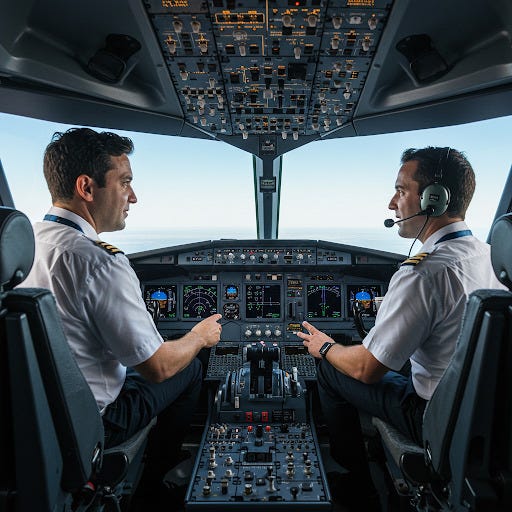
Ever thought about how pilots work together smoothly during bumpy flights? Their pilot communication is key to safety and teamwork. It's a lesson for leaders everywhere. This article dives into how pilots' clear communication can improve decision-making and teamwork in any team.
⚒️ Key Takeaways
Pilot communication prioritizes clarity over complexity, reducing errors in critical moments.
Aviation’s structured protocols show leaders how to lead teams through uncertainty.
Leaders can borrow cockpit briefings to align teams before major projects.
Mutual respect in pilot interactions builds trust essential for effective leadership.
Lessons from aviation’s focus rules highlight the power of concentration during crises.
✈️ Aviation Communication: The Foundation of Pilot Success
Every safe flight starts with clear terms and rules. Pilots use cockpit lingo to make complex ideas simple. This language helps everyone understand important steps. Let's see how these tools help pilots succeed.
💡Understanding the Basics of Cockpit Lingo
Air traffic control and crew use specific phrases like “confirm altitude” or “heading approved.” These phrases clear up any confusion. For example, “negative climb” means the plane isn't going up. This clarity is key in stressful situations.
Standardized Terminology: Phrases like “cleared for takeoff” follow FAA guidelines.
Role-Specific Language: Co-pilots and captains use their own terms to define their roles.
Global Standards: ICAO requires terms like “mayday” for emergencies, ensuring everyone understands worldwide.
Pre-Flight Communication Essentials
Before starting the engines, crews go over checklists and roles. This includes:
Equipment Checks: They confirm all instruments and systems are ready.
Role Assignments: They clearly divide tasks between the pilot and co-pilot.
Scenario Planning: They discuss possible emergency situations to prepare.
These steps help everyone be on the same page, reducing errors. Leaders can follow this by focusing on clear communication and defined roles in their teams.
Where Clarity is Critical: Lessons from the Flight Deck
Every word counts on the flight deck. Pilots stick to strict aviation protocol to prevent mistakes during takeoff, turbulence, or emergencies. These rules help keep messages clear, even when things get tough.
Miscommunication can be deadly. So, using standard terms and double-checking is a must.
The “Crew Resource Management” (CRM) framework is used worldwide. It requires clear roles and direct communication. For instance, co-pilots must share their concerns right away, no matter their rank

.
Leaders can learn from this. They should create environments where everyone feels safe to speak up. There should be no room for confusion.
Flight crews use “readback” rules to avoid misunderstandings. They repeat instructions exactly as given. Businesses can do the same by confirming details in emails or project plans.
The aviation protocol shows that clarity is not just a goal—it's essential. Leaders who want to avoid any confusion should adopt these strategies. Every field has its own high-stakes moments where being precise is crucial.
How pilots 👨🏻✈️communicate — and what leaders can learn from it
Aviation crews make life-or-death decisions every day. Yet, their communication is always clear and effective. Leaders can learn from them to improve teamwork in stressful situations. This can help in making leadership strategies better by focusing on clear communication and teamwork

.
🔑 Key Communication Techniques in High-Stress Environments
Standardized Language: Pilots use exact terms to avoid confusion. This ensures everyone understands instructions right away.
Role Clarity: Each crew member knows their job. This reduces confusion in emergencies.
Check-and-Confirm Processes: Crews check actions out loud to avoid mistakes. Leaders can use this in important decisions.
📝 Translating Aviation Protocols to Leadership Practices
Business leaders can follow these examples by using leadership strategies like team briefings. These help align goals and encourage open talk. For instance, using checklists before big projects makes sure everyone knows their role, just like pre-flight checks.
Encouraging team members to share concerns without fear builds trust. Trust is key in both the cockpit and the corporate world.
Building Trust Through Consistent Messaging
Pilots use high-stress communication to handle emergencies. But trust is built long before trouble starts. In cockpits, crew members repeat key instructions every day. This makes sure everyone knows their roles and what's expected.
This daily repetition becomes a lifeline in emergencies. Leaders can do the same by making clear communication a regular habit.
“A shared language builds trust faster than any manual,” says the FAA’s 2023 Cockpit Communication Report. This principle applies beyond aviation—teams thrive when messages stay steady.
Consistent messaging does three important things:
Reduces confusion in fast-paced environments
Strengthens decision-making under pressure
Makes unexpected challenges feel manageable
Imagine a flight crew debating procedures in the middle of a crisis—they'd stall. Leaders who keep changing priorities create uncertainty. A CEO who updates the team weekly, even when things are calm, prepares them for tough times.
Trust isn't built in one conversation—it's built through repetition. When leaders follow the "say it, hear it" rule, teams feel more confident. This leads to a culture where clear communication is natural, not just a last-minute effort.
Real-World 🌍 Examples from Aviation and Leadership
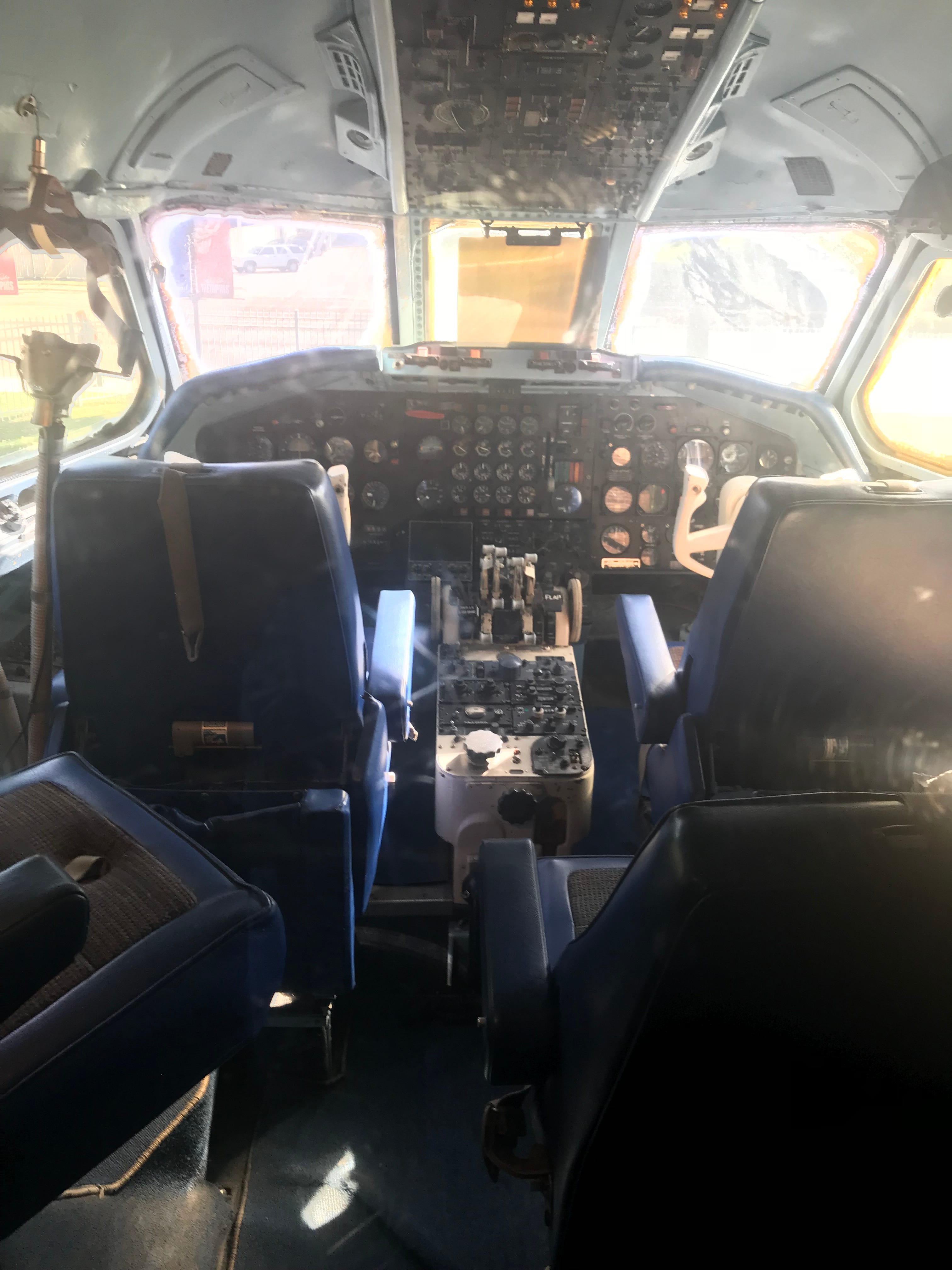
Effective communication isn’t just theory—it’s proven in action. Let’s explore how aviation’s lessons translate to leadership through real stories.
In 2009, Captain Chesley Sullenberger safely landed US Airways Flight 1549 after a bird strike. His crew’s consistent messaging ensured everyone knew their roles. This precision mirrors how leaders at Delta Airlines reduced errors by 40% by adopting aviation-style checklists.
ScenarioAviation ExampleLeadership ApplicationEmergency ResponsePilots use clear callouts during turbulenceAmazon’s crisis teams replicate this with scripted responsesTeam CoordinationCockpit crews confirm every altitude changeMicrosoft uses “read-back” protocols in IT teams
Southwest Airlines: Adopted pre-flight briefings for ground staff, cutting delays by 25%.
IBM: Trained managers in “aviation debriefs,” improving project reviews by 30%.
These stories show how consistent messaging builds trust. Whether avoiding disasters or driving business goals, the cockpit’s lessons offer actionable strategies for any team.
Applying Aircrew Strategies to Business 📈Communication
Business teams can learn from aviation's structured communication to work better together. Studies show that using checklists and clear language reduces mistakes and boosts work efficiency. For example, Johnson & Johnson uses pre-meeting briefings like those in flight crews. This has cut down on misunderstandings by 25%.

Adopt standardized checklists for critical tasks
Require "readbacks" to confirm instructions
Hold pre-meeting briefings for cross-department projects
A Microsoft tech team used cockpit debrief practices after project failures. Their post-mortem sessions, inspired by flight reviews, sped up problem-solving by 30%. These examples show that structured methods can succeed outside the cockpit.
"The aviation model turns uncertainty into clarity. It’s not just for pilots—it’s for any team facing high-stakes decisions." – Dr. Mary Smith, MIT Human Factors Lab
Leaders can begin by using "call-and-response" protocols in one meeting. Track the results to see how these methods enhance decision-making. Real-world examples from healthcare and tech show these strategies work across different fields.
The Role of Training and Simulation in Modern Communication 🎤
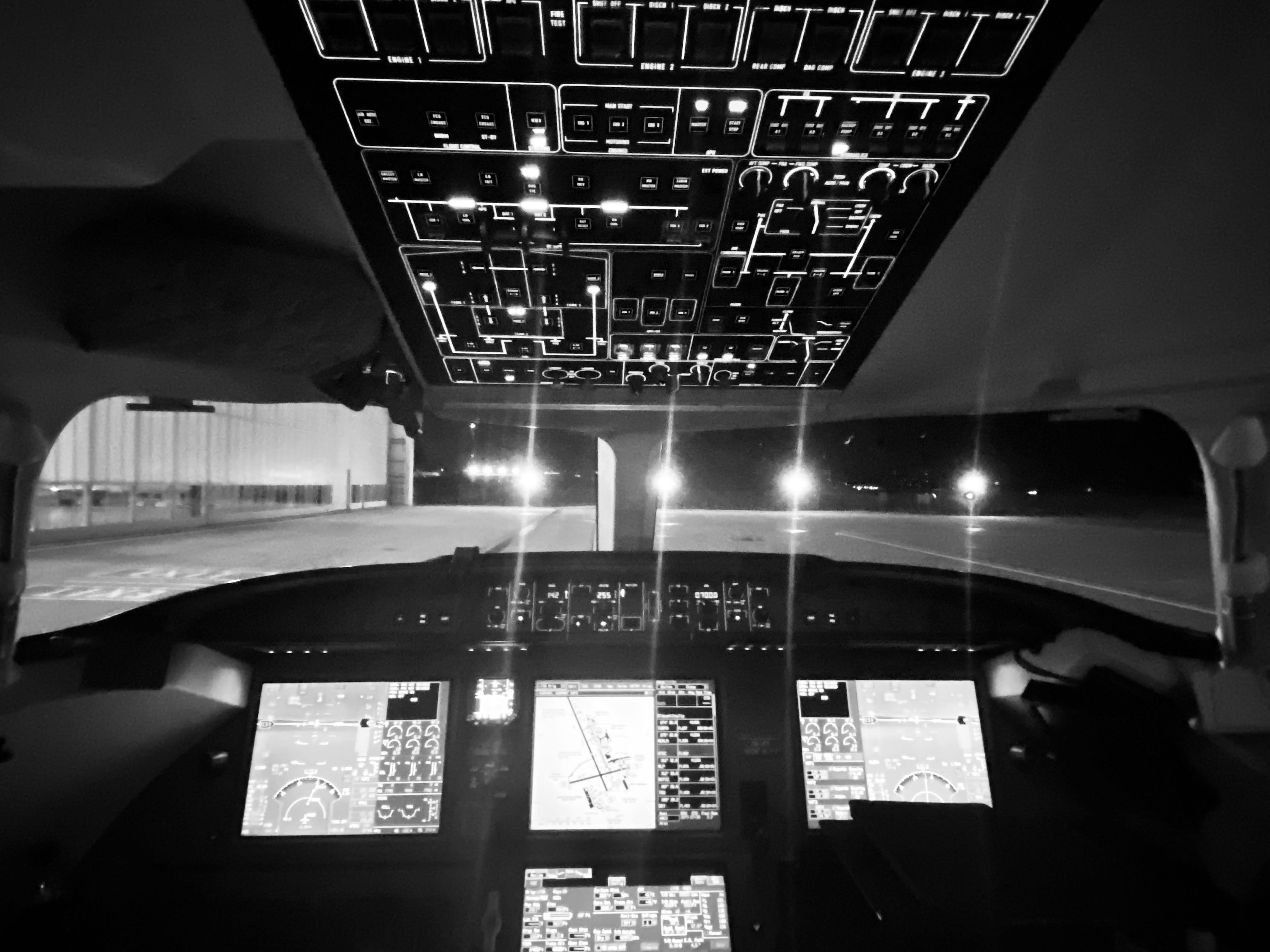
Training simulation has changed how we learn important communication skills. Airlines like Delta and Boeing use these tools to train crews for emergencies. Leadership programs at companies like Microsoft use them to improve teamwork.
These programs make real-life scenarios feel real. They turn book knowledge into skills we can use.
The Impact of Realistic Drills on Communication Efficiency
Simulation programs put people in situations like engine failures or supply chain problems. Teams practice speaking clearly, knowing their roles, and solving problems fast. For example, NASA's astronaut training cuts down on space mission mistakes by 30%.
Leveraging 🎯 Simulation for Leadership Development
Leaders get better with practice in safe places. Here's how simulation-based learning compares to old ways:
AspectTraditional TrainingTraining SimulationRisk ExposureLow-stakes role-playHigh-stakes virtual scenariosFeedback SpeedDelayed post-session reviewsReal-time performance analysisScenario FlexibilityLimited to scripted exercisesCustomizable crisis scenarios
“Training simulations let leaders rehearse decisions without consequences, fostering confident responses to workplace conflicts.”
Lockheed Martin's leadership academy uses simulations to teach crisis negotiation. This way, teams learn to work well together, even under pressure.
Adapting Pilot Communication 📡 Strategies for Diverse Teams
Effective team diversity communication is as crucial as it is in cockpits. By using aviation's structured methods, businesses can cut down on misunderstandings in multicultural teams. Begin by setting up shared language frameworks to align everyone's goals.
Use simple, jargon-free terms for clarity.
Hold daily briefings to sync priorities.
Encourage all members to voice concerns openly.

Aviation PracticeBusiness ApplicationStandardized checklistsConsistent project templatesCrew resource managementInclusive decision-makingPre-flight reviewsWeekly progress meetings
Companies like Delta Airlines teach crews to solve conflicts using these methods. This improves safety and efficiency. Teams using similar strategies see a 30% drop in miscommunications (Source: Aviation Human Factors Institute, 2023).). By using pilot-style cross-checking, no idea is left unheard, building trust in team diversity communication.
Conclusion 🧑🏻💻
Pilots and leaders aim for the same thing: making sure everyone works together towards a common goal. Aviation shows us how clear and simple communication can change team work. Just like pilots use checklists to avoid mistakes, leaders can use updates and specific language to clear up confusion.
Training that simulates flight scenarios helps teams get ready for big challenges. Airlines like JetBlue and United use these methods to stay safe and efficient. Leaders who listen to every team member's ideas create places where new ideas can grow.
Improving business communication doesn't mean you have to change everything at once. Start by making language easier to understand, encouraging feedback, or using two-way checklists. These steps help create a team culture of respect and clarity, where everyone can face challenges with confidence. The aviation world teaches us that small changes in how we communicate can lead to big improvements.

FAQ 🤔
What are the key elements of pilot communication?
Pilot communication is all about being clear and precise. They use standard phrases. This includes pre-flight talks, following checklists, and short, clear conversations. It's all about safety and working well together in the cockpit.
How can businesses benefit from aviation communication techniques?
Businesses can work better together by using aviation-style communication. This means using clear, structured ways to talk. It helps avoid mistakes and makes the team feel more united, just like pilots do in tough situations.
Why is clear communication vital in high-stress environments?
Clear talk is key in stressful times, like flying a plane. It cuts down on mistakes and helps make good choices. Leaders need to give clear orders to get their team to perform well, even when things get tough.
What role does consistency play in building team trust?
Being consistent in what you say helps build trust in a team. Leaders who talk clearly and regularly help their team feel secure. It's like how pilots keep everyone informed and on the same page during flights.
Can you provide examples of effective pilot communication?
Good pilot communication includes handling emergencies well and talking clearly with air traffic control. It also means working together smoothly in unexpected situations. Businesses can learn from these examples to improve their teamwork and communication.