



Welcome back! Each week, I answer real questions from nervous flyers — because the more you understand about flying, the less there is to fear. Whether it’s a weird sound, a sudden turn, or a light that came on mid-flight, I’m here to explain it calmly and clearly.
👇 This Week’s Questions:
💬 Question #1: “Why do the wheels make that loud clunking noise after takeoff?”
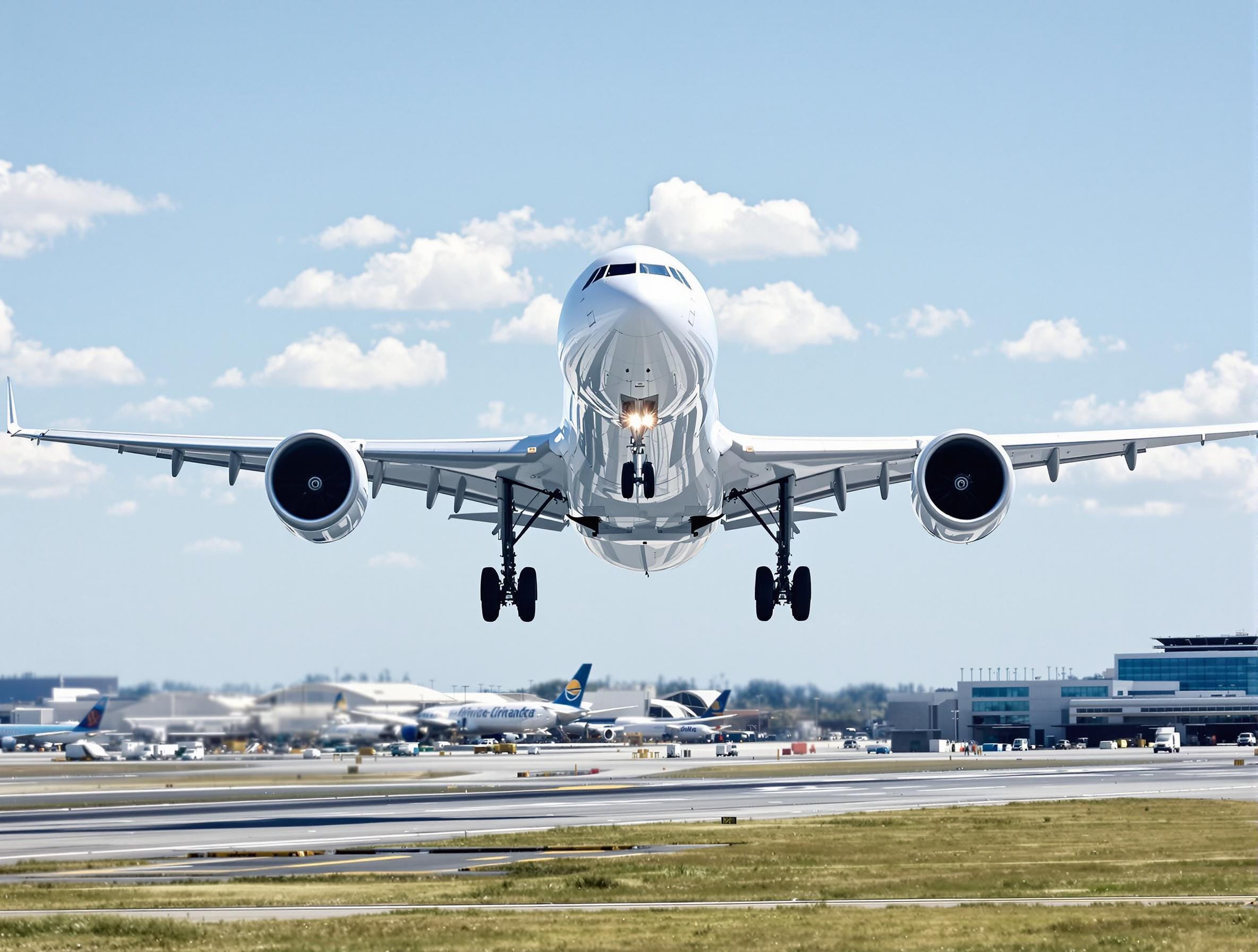
✈️ That sound is just the landing gear retracting into the belly of the plane.
Hydraulics lift the wheels, and once they’re in place, mechanical doors seal shut.
It’s totally normal, no need to panic. Think of it as your plane saying, “We’re flying now, won’t need these for a while.”
💬 Question #2: “Why does the plane feel like it’s slowing down right after takeoff?”
✈️ That’s not your imagination, it does feel like a change.
Once we reach a safe altitude, pilots reduce thrust to climb more efficiently and preserve engine life.
It might feel like the engines are “throttling back,” but the plane is still climbing steadily.
Less noise ≠ less safety. It’s just part of the flight profile.
💬 Question #3: “What’s that burning smell during engine start or taxi?”
✈️ It’s not uncommon to notice a burnt oil or fuel-like smell at the start of a flight — especially during engine start, taxi, or pushback.
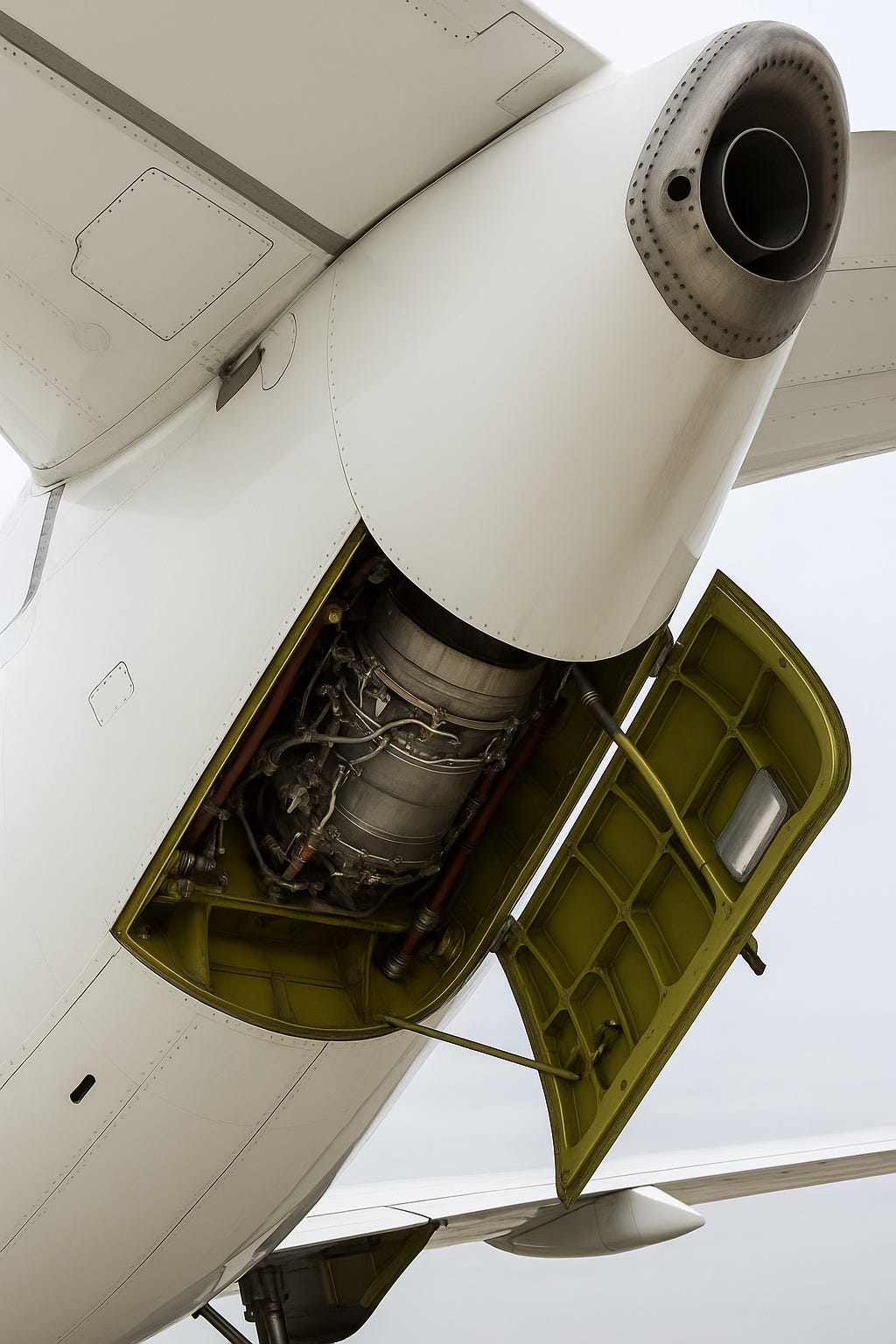
This often comes from the air conditioning system, which uses bleed air drawn from the engines or APU (a small engine in the tail). Sometimes, residual oil or fuel particles get picked up in that air, harmless, but noticeable.
You may also notice this smell:
When there’s a tailwind on the ground, pushing engine or APU exhaust toward the cabin
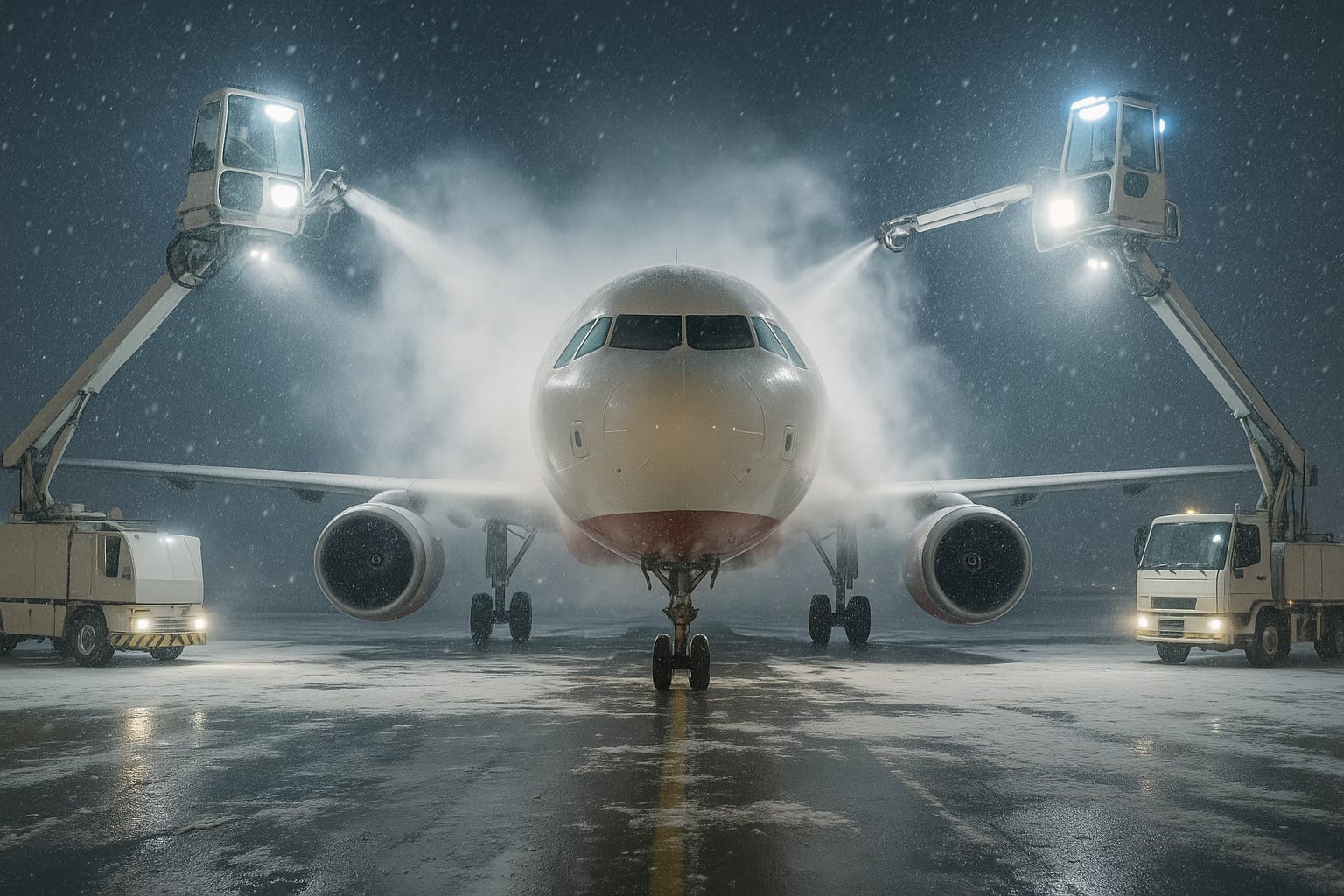
During aircraft de-icing operations in winter (those heated glycol sprays can smell odd)
Or at busy airports where you’re surrounded by other idling jets, jet fuel fumes are in the air
It usually clears up quickly after takeoff, and while it can be surprising, it’s not dangerous. Cabin crew and pilots are trained to monitor for anything unusual and we’ll always investigate if there’s a real concern.
💬 Question #4: “Why do the cabin lights flicker or go off during boarding or pushback?”
✈️ That’s just a power source transition.
Before engine start, the plane is powered by ground power or an onboard APU (small engine in the tail).
As we switch between these sources, the lights may briefly flicker or go dark.
It’s normal, temporary, and has no effect on flight safety.
🛬 Final Thought:
A lot of “weird” sounds, smells, or sensations during flight are actually signs that everything is working as it should.
The more you know, the calmer you feel and that’s exactly why I write these.
Got a question for next week’s edition?
Hit reply or drop it in the comments.
Fly Safe, Pilot Nick
✈️ Lessons from the Flight Deck

Seat 3D is first class. Where do the questions from the unwashed masses belong?
At the risk of offending the elite, where is the air intake for the APU?
Awesome 🔥🔥, thanks for answering those questions.
I have 3 questions, would love you to answer them in your next post 🙏
1. Which skill set should be acquired if one wants to be a pilot?
#2 Does the flying and operations of Civilian aircraft differ from that of military aircraft ,are they similar in any way?
#3 is there any age limit for learning to become a pilot and why?