



Welcome aboard! Each week, I answer questions from anxious flyers — real people just like you — who are curious, nervous, or just wondering “What’s going on up there?”
As a pilot, I’ve heard these questions countless times, and my goal is to help you feel calmer, safer, and more informed — because knowledge is a great co-pilot. ✈️
👇 This Week’s Questions:
💬 Question #1: “What if the pilot gets sick mid-flight?”
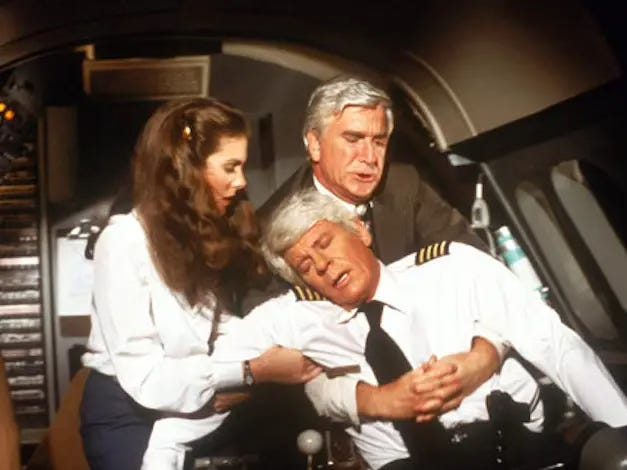
✈️ First, know this: every commercial flight has at least two fully licensed and trained pilots. If one becomes unwell, the other takes full control — that’s part of our standard operating procedures, and something we regularly train for in simulators.
But it doesn’t stop there. Most major airlines are connected to 24/7 medical support providers like MedLink or Stat-MD via satellite phone or radio. If a medical situation arises, whether with a passenger or crew, we can speak immediately with doctors on the ground who specialize in in-flight emergencies.
Onboard, flight attendants are trained in emergency first aid and CPR, and we carry medical kits, oxygen bottles, and automated external defibrillators (AEDs). If needed, we’ll make a PA announcement to see if a licensed medical professional is onboard, which is surprisingly common.
If the situation is serious, we always have the option to divert to the nearest suitable airport, and coordination with air traffic control happens quickly.
Bottom line: you’re never without help in the air. There’s a system, there’s support, and there’s always a plan.
💬 Question #2: “What if an engine fails over the ocean?”
✈️ Great question — and it’s one that’s often misunderstood.
Modern twin-engine jets like the Boeing 787 or Airbus A350 are certified under a set of rules called ETOPS, which stands for Extended-range Twin-engine Operational Performance Standards. In simple terms: ETOPS means the aircraft is approved to fly long distances over areas with no nearby airports like oceans or remote regions and still remain safe even if one engine fails.
These planes are built with incredible reliability, and before any airline can use a jet on ETOPS routes, they have to prove they can maintain strict standards for maintenance, training, and operations. In fact, before ETOPS flights are allowed, airlines work with regulators to demonstrate that the plane can safely fly for up to 180 minutes (or more) on a single engine and reach a suitable airport if needed.
So if an engine were to fail mid-ocean, which is extremely rare, your pilots would follow a clear plan: shut the engine down, stabilize the aircraft, and divert to the nearest pre-planned alternate airport. The flight might take a bit longer, but it’s not an emergency — it’s a scenario we’re fully trained to handle.
In short: ETOPS is not a risk — it’s a safety standard that makes long-range twin-engine flying possible and extremely safe.
💬 Question #3: “What if lightning hits the airplane?”
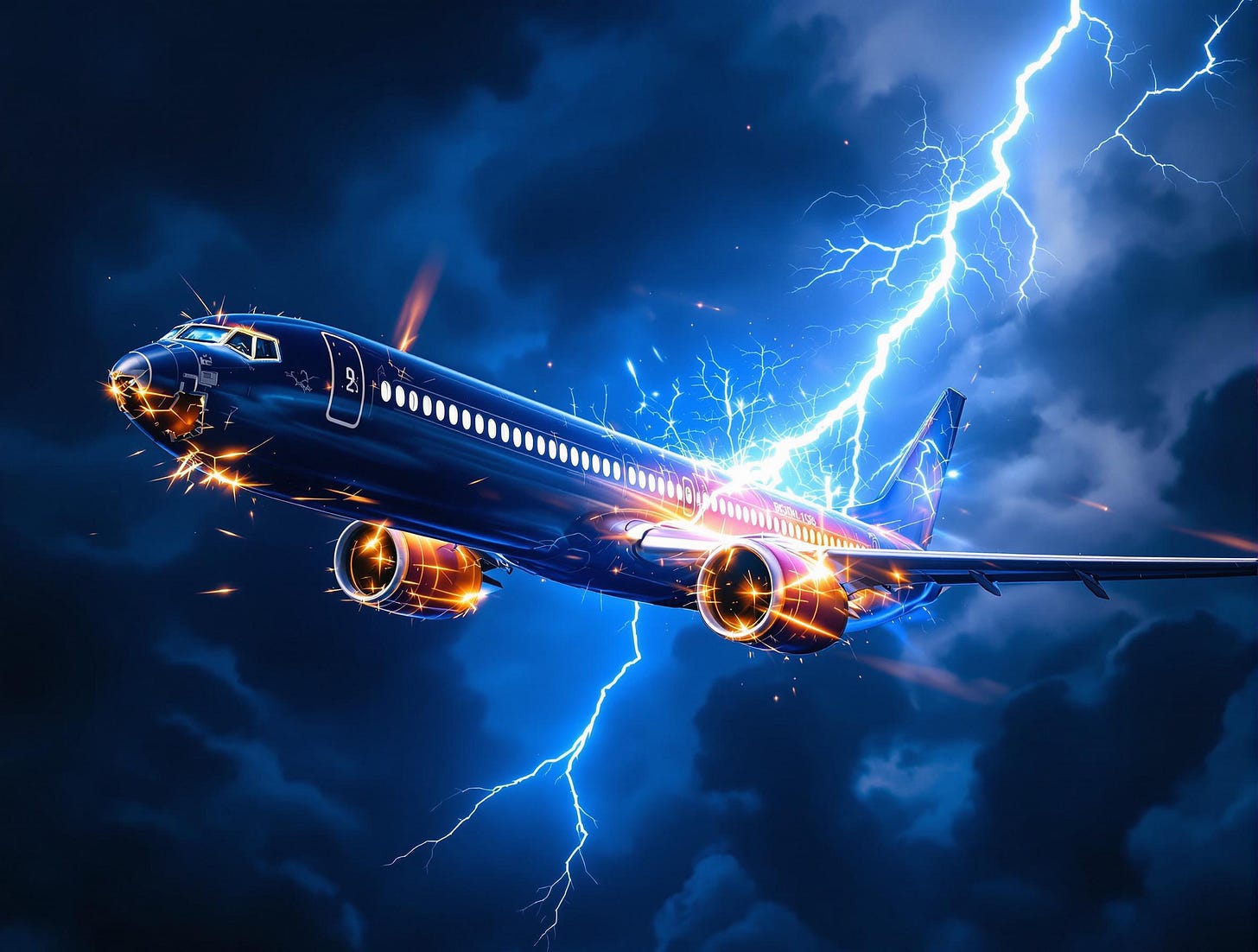
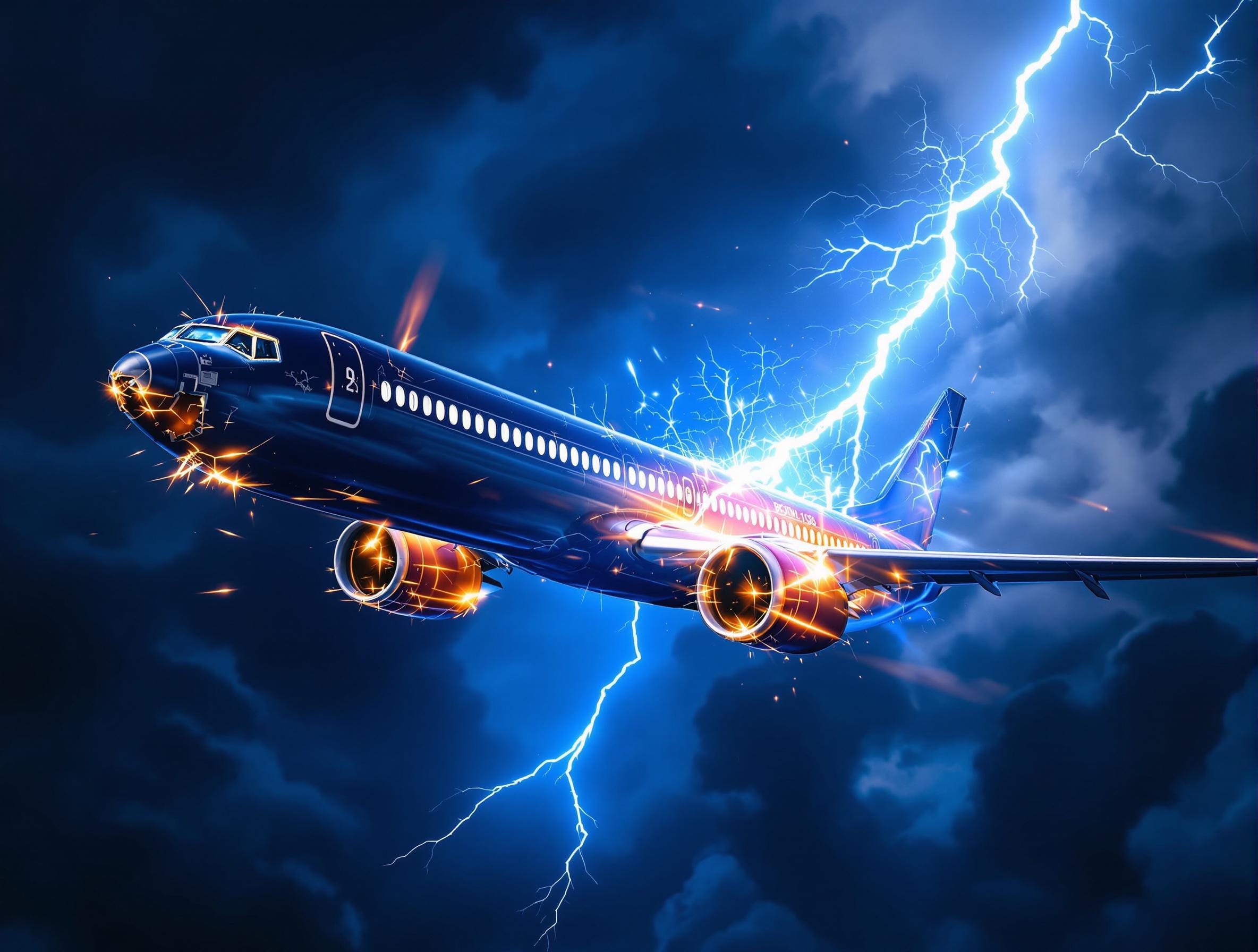
✈️ Believe it or not, commercial airplanes get struck by lightning fairly often — typically once or twice a year per aircraft. And here’s the key thing: modern airplanes are built to handle it.
Here’s what actually happens:
The lightning usually strikes the nose or wingtip, then travels harmlessly along the aircraft’s metal skin and exits out another point, like the tail or opposite wingtip.
The airplane’s body acts like a Faraday cage — a protective shell that safely conducts electricity around the outside, without letting it enter the cabin or affect people or systems inside.
Passengers may see a flash or hear a loud bang, but the aircraft continues flying normally.
Now, what about damage?
Most of the time, there’s no damage at all, or just a small scorch mark that gets inspected and cleaned up by maintenance after landing.
Pilots report the strike to maintenance and air traffic control, and engineers inspect the aircraft thoroughlybefore its next flight, even if there’s no visible damage.
Critical systems like navigation, communication, and flight controls are shielded and grounded, and we have multiple layers of redundancy in case anything needs to be switched over.
Bottom line? It might look or sound dramatic, but lightning strikes are non-events for the airplane’s safety. Pilots are trained to manage them, and planes are designed to shrug them off.
✈️ Bonus: You might also hear pilots talk about St. Elmo’s Fire — a strange, bluish glow that sometimes appears on the windshield, wing tips, or nose during stormy flights. It’s not actual fire or lightning — it’s caused by ionized air reacting to the strong electric fields around the aircraft.
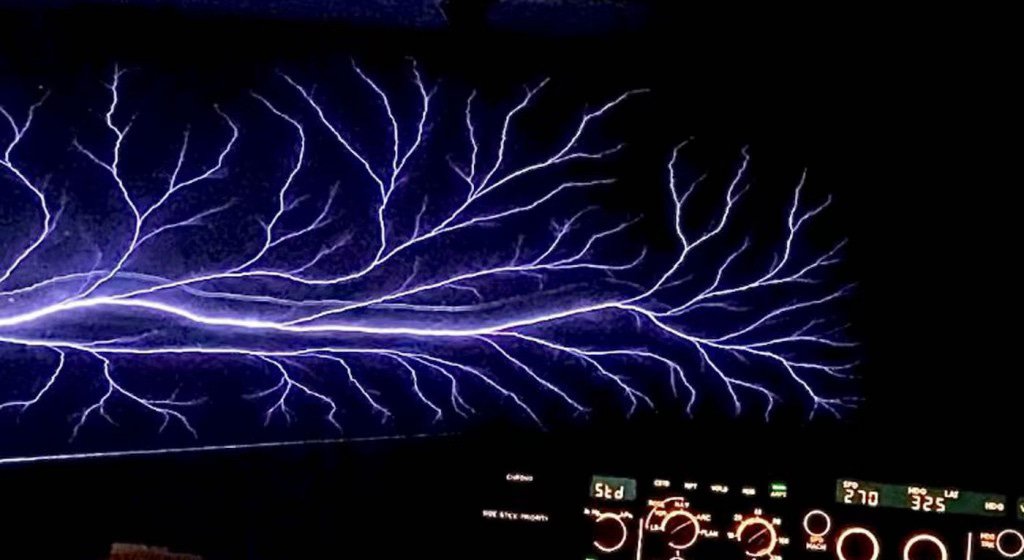
It looks like eerie, dancing light, almost like plasma or static electricity, and it’s completely harmless. Just another reminder that up here, nature puts on a light show and your airplane is ready for it.
🧘♂️ Final Thought: When “what if” anxiety hits mid-flight, remind yourself of this: The flight deck is built on redundancy, training, and constant communication. We plan for everything so you don’t have to.
🛬 More questions? Hit reply or leave a comment — I read them all.
Fly Safe
Pilot Nick
Lessons from the Flight Deck

Love these for pure curiosity sake. Thank you
So interesting! Thanks for sharing, especially the point about what happens when an engine fails. Always wondered that