
Black Box Series · Pilot Nick 10mn read — Updated October 7, 2026
In 28 years of flying, the person in the other seat has been my first safety system, and I’ve been theirs.
We brief together. We check each other’s numbers. We speak up when something looks wrong. We trust each other with our lives, often before we know much about each other outside the cockpit.
“That is why flydubai flight FZ1073 is hard for pilots to read.”
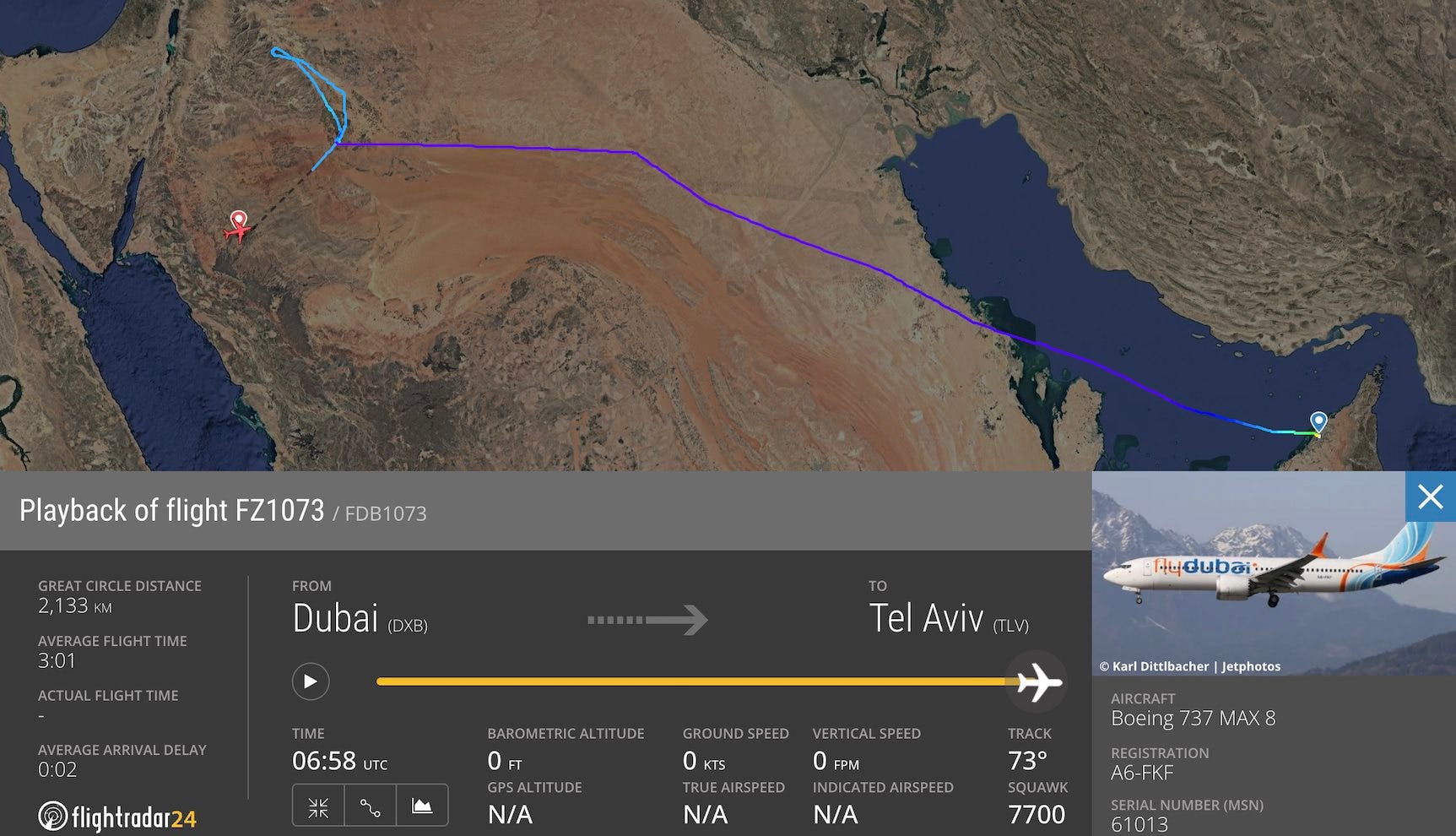
On September 30, a Boeing 737 MAX 8 flying from Dubai to Tel Aviv went through a violent descent before diverting to Tabuk, Saudi Arabia. Everyone on board survived.
On October 3, the UAE’s Attorney-General said the co-pilot had attacked the captain with a crash axe and attempted to take control of the aircraft. Investigations into the circumstances, motives and possible links remain ongoing.
The captain says he managed to unlock the cockpit door while under attack. That allowed help to reach the flight deck. Flydubai says crew members travelling on board secured the aircraft, diverted it and landed safely.
You’ve probably seen the other headlines too: the passenger who says he helped pull the airplane out of the dive, the suggestion that both engines were shut down, the photographs of the damaged rudder.
Some of those accounts may prove accurate. Some still need evidence.
What I can offer is a pilot’s reading of the information available: what the flight path tells us, what those emergency codes mean, why a passenger video cannot settle the engine question, and what it takes to walk from a passenger seat into a cockpit in crisis.
Welcome to Black Box Series

Black Box is my recurring series on aviation incidents in the news, and older ones still worth learning from. Every file follows the same rules: the confirmed facts first, a pilot’s reading of the data, the theories kept in a “not yet” box, and no guessing ahead of the investigation.
Why the cockpit door mattered
An airline cockpit is designed so either pilot can fly the aircraft. Each seat has flight controls and instruments, allowing one pilot to carry on if the other becomes incapacitated.
Even an ordinary handover follows a clear exchange:
“You have control.” “I have control.”
There should be no doubt about who is flying.
But that arrangement depends on cooperation between the two people sitting there. On FZ1073, according to the UAE Attorney-General’s account, the threat came from the seat beside the captain.
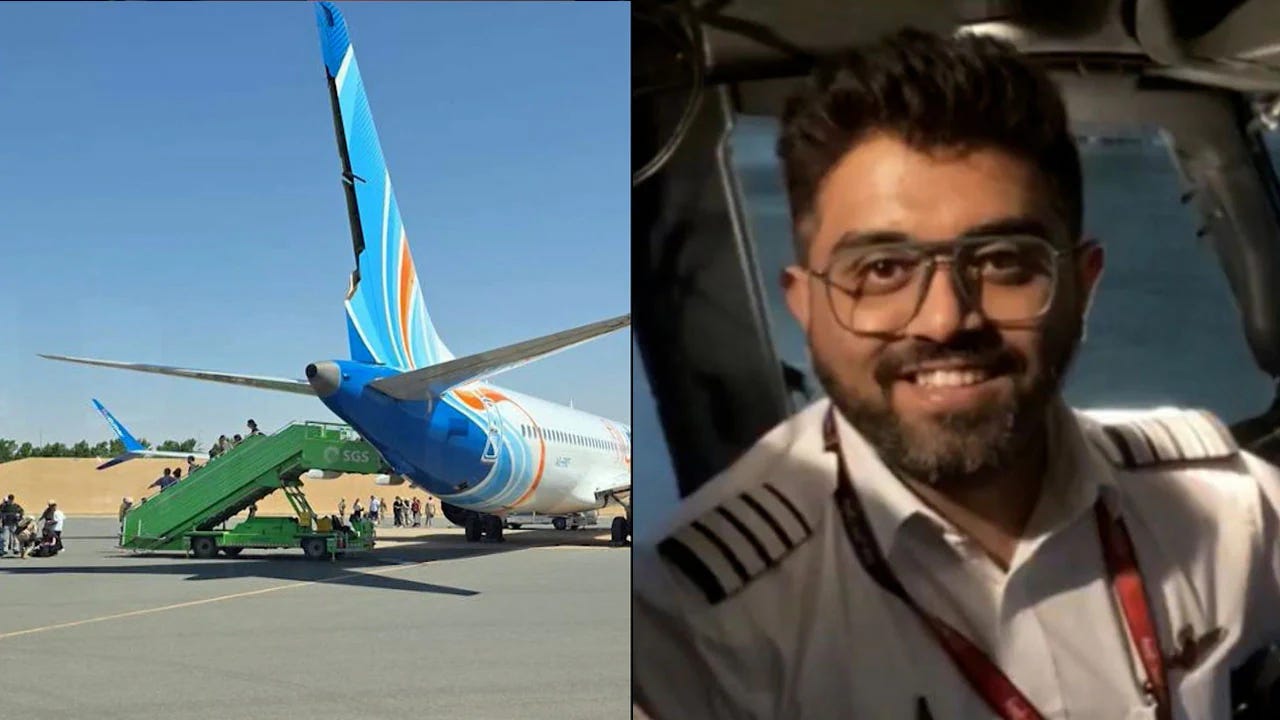
Captain Smit Machchhar says he was injured during the attack and still managed to unlock the cockpit door.
For me, that is one of the most consequential details in this story.
Since the September 2001 attacks, reinforced cockpit doors have become a central part of airline security. Their purpose is to prevent someone in the cabin from forcing their way onto the flight deck.
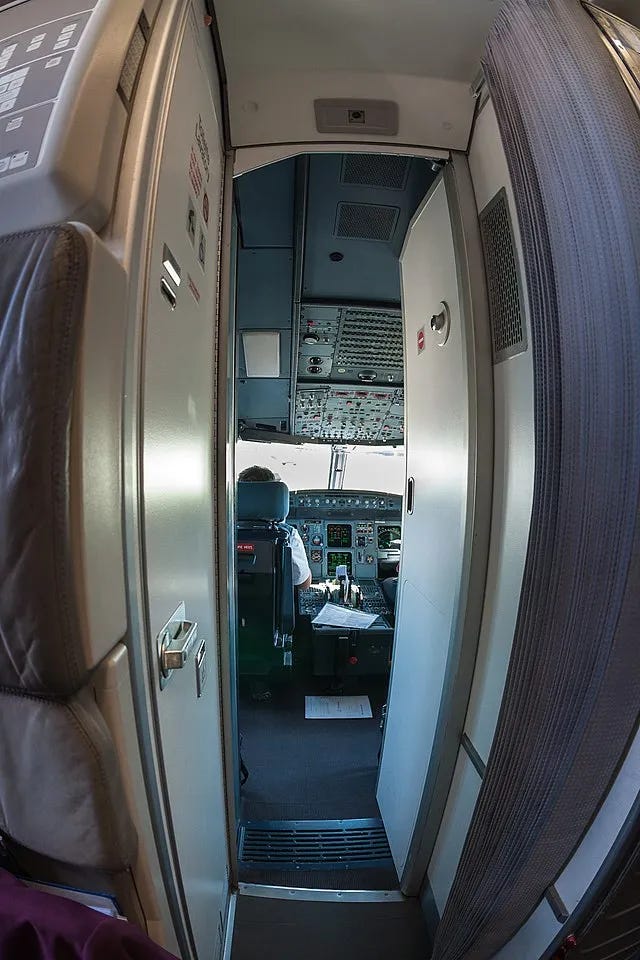
Access is controlled through established procedures. I won’t go into their operational details here.
On this flight, the help the captain needed was on the other side of that door.
By his account, he got it open while being attacked.
We practise taking over from an incapacitated colleague. We practise emergencies that leave one pilot carrying a much heavier workload. Being attacked by the person beside you is far removed from those scenarios.
The investigation will establish the full sequence. But the captain’s account explains how people in the cabin were able to intervene.
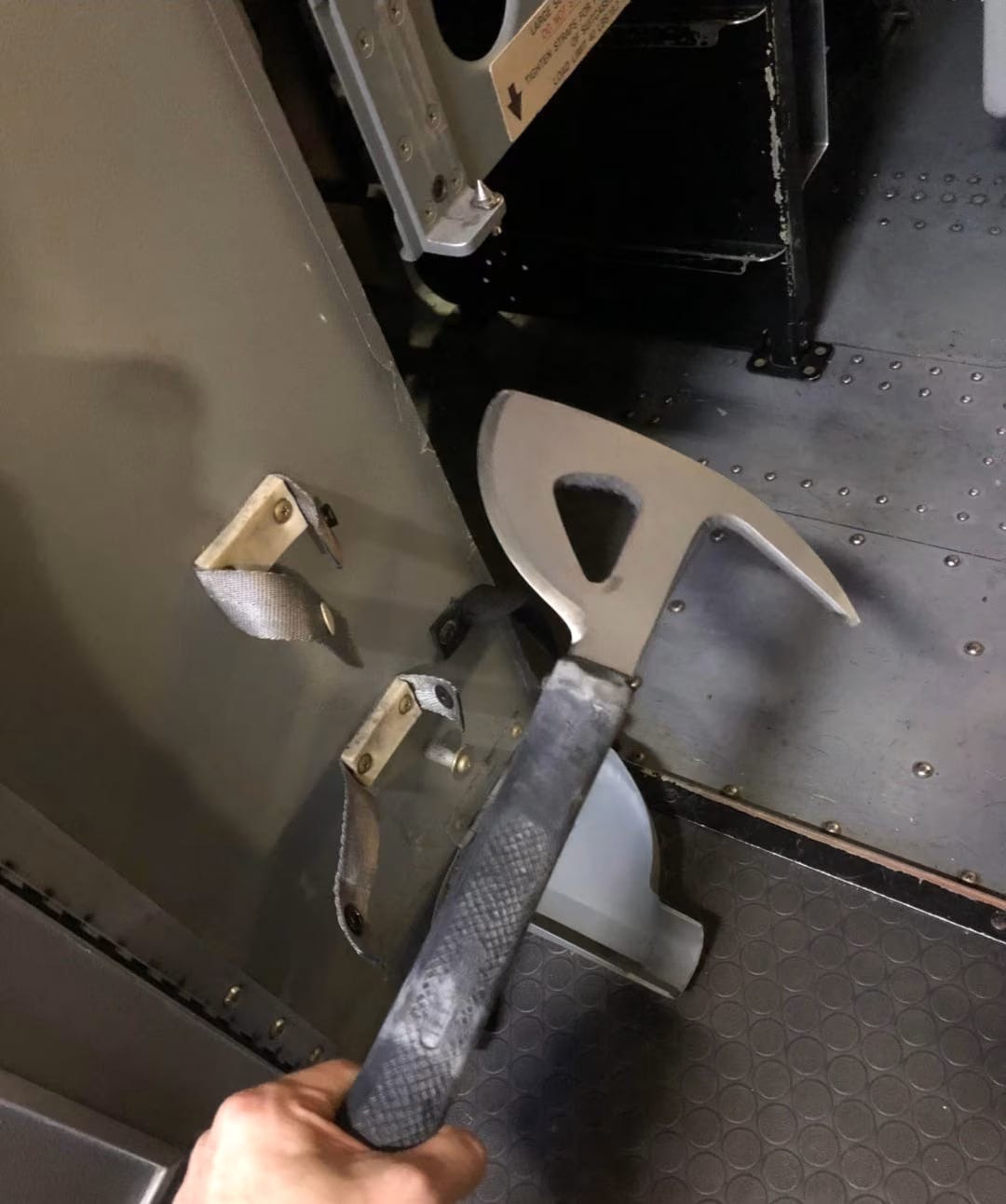
A crash axe, incidentally, is emergency equipment. It is carried for tasks such as gaining access behind panels during a fire. Its presence on a flight deck is not, by itself, unusual. Its alleged use against a pilot is.
The flight file: what is established
The following comes from official statements and published flight-tracking data available on October 6.
The flight. FZ1073 departed Dubai for Tel Aviv on September 30 at 03:05 UTC. The aircraft was a Boeing 737 MAX 8, registration A6-FKF.
The attack. The UAE Attorney-General said the co-pilot attacked the captain inside the flight deck using a crash axe and attempted to take control of the aircraft. His statement described an attempted terrorist act, while making clear that the investigation remained ongoing.
The intervention. Flydubai said on-duty crew members travelling on the flight secured the aircraft, diverted it and landed safely at Tabuk. The airline’s chief executive thanked the captain, the pilots who secured and landed the aircraft, the cabin crew, and the passengers who assisted.
The outcome. Flydubai’s latest published statement says all 172 passengers and crew are safe and being cared for. That includes the captain, who returned to the UAE following medical clearance.
The airline has not publicly provided a complete account of who was at the controls at each stage.
That distinction matters. Recognising the people who helped does not require us to fill in the gaps ourselves.
Sources: flydubai’s statements, the UAE Attorney-General’s October 3 statement, and Flightradar24’s flight timeline.
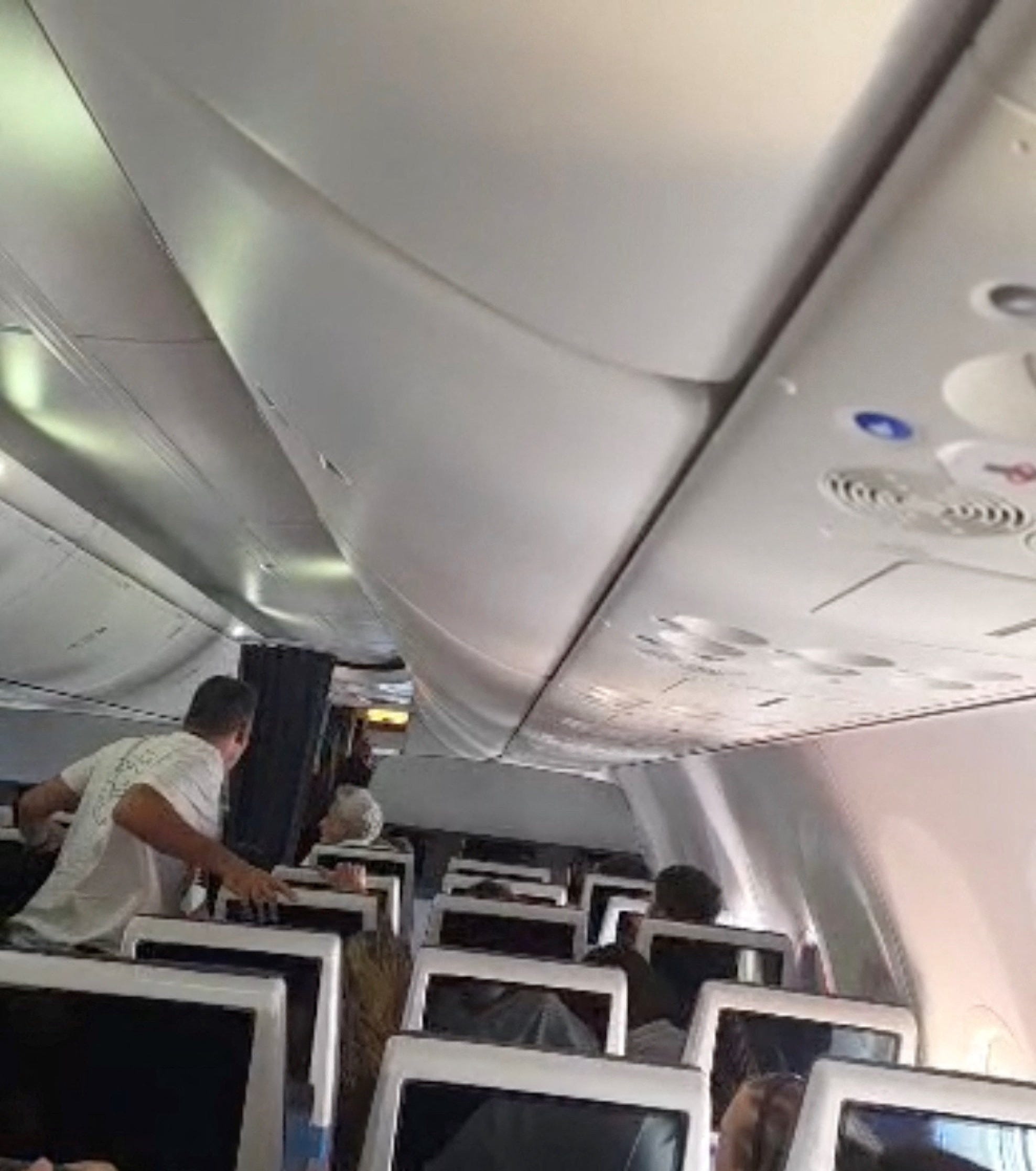
Those are the confirmed facts, and you’ve probably read most of them this week. What the coverage hasn’t given you is how they read from the seat where it happened. There’s one detail in the flight data that tells me more about the people at the controls than anything in the official statements. It’s just below.
Paid members get the full Black Box file, and when the investigators publish their findings, the follow-up file goes to paid members first.
Reading the descent like a pilot 👇🏻