


Pilot Nick - 13min read
BLACK BOX · Update, Nov 9: the NTSB has recovered the cockpit voice recorder at the site of initial impact. It is being evaluated in the NTSB’s Vehicle Recorders Laboratory in Washington, and the excavation of the impact site is complete.
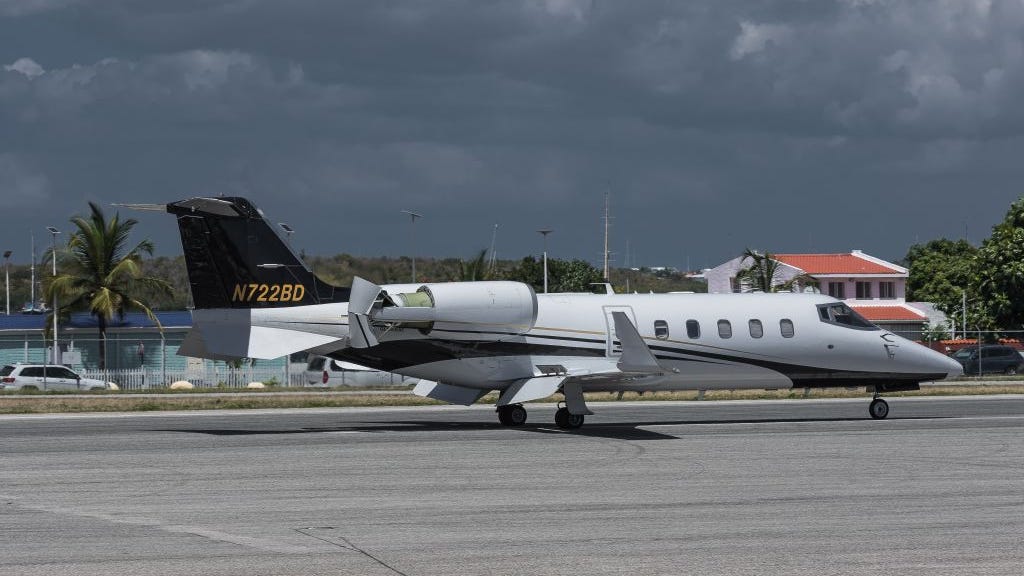
At 12:47 on November 1, the crew of N722BD told Miami Center three things in one report: light clear ice, moderate turbulence, and altitude swings of about 700 feet. They asked if there was a better ride ahead, said they were picking up precipitation, and asked to climb.
Six months earlier, a crew flying the same airplane near Newark said they couldn’t hold altitude, with swings just as large, and called it moderate turbulence. The controller pushed back. “If you can’t maintain altitude, that’s not moderate. That’s severe turbulence.”
That word, moderate, runs through everything new in this file, from the elevator found miles from the crater to the storm building ahead of the jet.
My thoughts remain with the families of the nine people on board, and with the people on the ground who were forced out of their homes.

Black Box is my recurring series on aviation incidents in the news, and older ones still worth learning from. Every file follows the same rules: the confirmed facts first, a pilot’s reading of the data, the theories kept in a “not yet” box, and no guessing ahead of the investigation.
Since the first file, three things have changed the picture: a tail surface found miles from the crater, a storm that controllers warned about, with weather deviations approved, and that recording from May. Nobody has identified the voices on it or linked that flight to this crash, the NTSB has not said why part of the tail came off, and no cause has been established. In this file I go through each one with the confirmed facts, then tell you where I would look first, and the three moments in the last 20 minutes where I would have made my decision.
If you’re a nervous flyer, one fact for your next trip: on an airline, and on a charter too, a severe turbulence encounter is supposed to be written in the aircraft’s logbook, and the airplane inspected before it flies again.
The short version
Eight days after the crash near Greenacres, the NTSB has finished its on-scene work except for the impact crater. Investigators have recovered parts of both wings, both engines, the flight deck, the tail, the left elevator, aileron sections and flap tracks. Some of it is now at the NTSB’s labs in Washington.
The biggest new fact: most of the jet’s left elevator, the hinged surface at the tail that pitches the nose up and down, was found in three pieces between 1.3 and 3.8 miles from the crater. The NTSB already had evidence of some breakup before impact, and the elevator’s location shows part of the tail came off in the air. The NTSB has not said whether that happened before the dive or because of it.
Air traffic control audio shows controllers warned the crew about the storms, offered weather deviations and flagged heavy precipitation on the route the crew first asked for.
Audio from May 2026 shows the same airplane, on approach to the New York area, swinging up to 700 feet off its assigned altitude in turbulence the crew first called moderate. The controller told them that was severe. Nobody has linked that flight to this crash, and it isn’t known whether either pilot from May was on board on November 1.
No cause has been established. The preliminary report is expected around early December.
Free subscribers get the headline. Flight Deck Club subscribers sit up front with me: the full file, the crew’s view, my call from the left seat, and direct access to ask me anything. $11 a month, or $80 a year.
