
Pilot Secret: 10 Things Your Pilot Wishes You Knew (But Will Never Tell You)
From turbulence myths to cockpit truths, what we really think when you fly...
Flying commercially can feel like stepping into a mysterious black box where uniformed professionals speak in codes and you’re left wondering what’s really happening up front. As a pilot with more than 25 years of experience, I’ve gathered the unspoken truths that we wish every passenger understood. Buckle up some of these might surprise you.
1. We Really Don’t Mind Turbulence (And Neither Should You)
While you’re gripping your armrests, we’re usually finishing our coffee without spilling a drop. Turbulence feels much more dramatic in the cabin than in the cockpit, and modern aircraft are built to handle forces far beyond what nature typically throws at us.
What we wish you knew: Turbulence has never brought down a modern commercial aircraft. Those wings flexing? That’s exactly what they’re designed to do. Want to know the smoothest place to sit during turbulence? Check out my newsletter about this pilot’s secret spot: Sit Here. Most Passengers Never Think of It
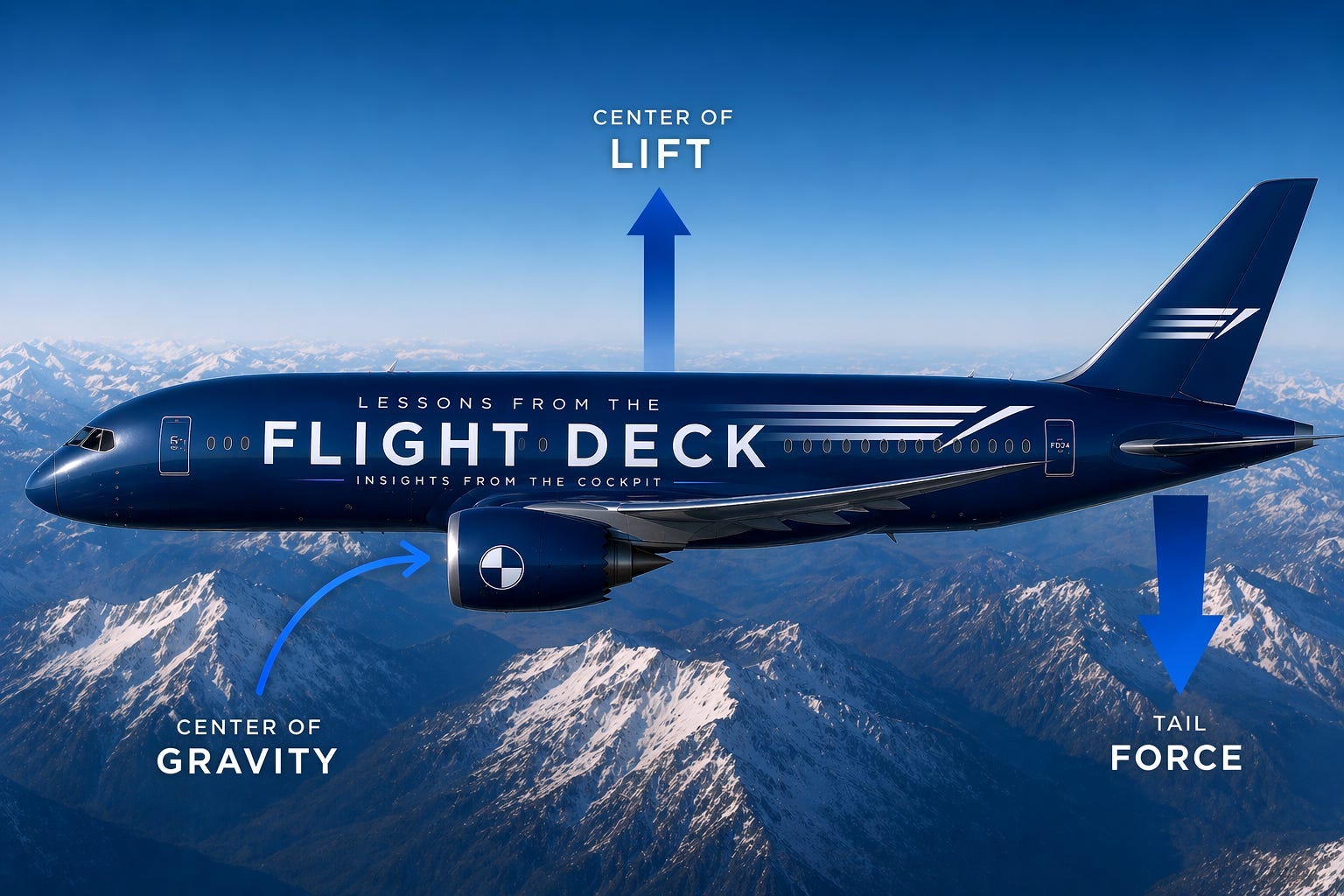
2. Your Flight Delay Probably Isn’t Weather at Your Airport
When we announce a “weather delay,” passengers often look outside at clear skies and assume we’re lying. The truth is, we might be waiting for aircraft coming from storms 1,000 miles away, or air traffic control might be managing weather patterns that affect the entire national airspace system.
What we wish you knew: Weather delays are often domino effects from storms hundreds of miles away. Believe us, it frustrates us just as much delays affect our entire schedule and we’re as eager to leave as you are
3. The Most dangerous Part of Your Journey Was Probably Getting to the Airport
Statistically, you’re about 2,000 times more likely to die in a car accident than in a plane crash. Your drive to the airport was by far the most dangerous part of your trip. Commercial aviation’s safety record is phenomenal and getting better every year.
What we wish you knew: We’ve trained for years to handle emergencies you’ll hopefully never see. The aircraft has multiple backups for nearly every system.
4. Yes, We Sleep in the Cockpit
Controlled rest is a thing. On long flights, there are bunk beds. On short ones, we take power naps while the other pilot flies. That’s how we stay sharp.
What we wish you knew: This isn’t laziness, it’s science-based fatigue management. A well-rested pilot is a safer pilot, and aviation regulations actually require these rest procedures on certain flights.
5. We Don’t Control When the Seatbelt Sign Goes On and Off
Many pilots leave the seatbelt sign on longer than absolutely necessary because we’d rather have you safely seated than deal with an injury from unexpected turbulence. It’s not about being controlling—it’s about keeping everyone safe.
What we wish you knew: When we say “keep your seatbelts fastened even when the sign is off,” we really mean it. Clear air turbulence can hit without warning.
6. We’re Not Trying to Gouge You with Baggage Fees
Pilots don’t set airline policies, but we understand the physics: every pound matters for fuel efficiency and performance. Those weight restrictions aren’t arbitrary, they affect everything from takeoff distance to fuel burn.
What we wish you knew: Airlines are businesses trying to stay profitable while maintaining safety. Many of those fees help keep base ticket prices lower.
7. Clapping When We Land Doesn’t Offend Us
Despite what some aviation snobs might say, most pilots appreciate applause after landing. While we stay humble knowing that a smooth touchdown isn’t always the primary goal (sometimes a firm landing is actually safer) it’s still a nice acknowledgment of the training and skill that goes into safely completing every flight.
What we wish you knew: A simple “thank you” as you deplane means more than you might think. We genuinely appreciate passengers who recognize our work.
8. We’re Probably More Qualified Than You Think
Today’s airline pilots typically have thousands of flight hours, military experience, or both. The training never stops—we’re constantly tested, re-certified, and monitored. The person flying your plane is likely more qualified than ever before in aviation history.
What we wish you knew: Those “rookie pilots” everyone worries about? They probably have more flight training than pilots from previous generations ever did.
9. A Smooth Landing Doesn’t Mean a Good Pilot
Passengers often judge pilot skill by how gently the wheels touch down, but that’s not how we measure good flying. Sometimes we deliberately make firm landings—especially on wet or contaminated runways where we need positive wheel contact to trigger weight-on-wheels sensors and deploy spoilers immediately. On short runways, floating for a smooth touchdown could put everyone at risk.
What we wish you knew: The approach is far more important than the landing. A skilled pilot maintains a stable approach—typically established by 1,000 feet in clouds or 500 feet in clear conditions. Everything after that is just physics.
10. We Want to Get Home to Our Families Too
We’re not trying to delay your vacation or business trip. When weather or mechanical issues arise, we’re often more frustrated than you are because we know the system and understand that delays cascade through our entire day or days. And while you’re traveling to see family during holidays like Christmas and Thanksgiving, we’re often working those same days, missing our own family gatherings to keep you moving. It takes years of seniority to build enough schedule control to be home for these holidays.
What we wish you knew: We’re people too, with families waiting for us at home. We want safe, on-time flights as much as you do.
The Bottom Line
Flying remains the safest form of transportation, operated by highly trained professionals who take their responsibility seriously. The next time you fly, remember that the people up front are skilled experts who’ve dedicated their careers to getting you safely to your destination.
Got a question about flying you’ve always wondered about? Reply to this newsletter—I’d love to feature pilot answers in future editions.
Safe travels,
Pilot Nick
✈️ Lessons from the Flight Deck
😬 Hate flying? I got you.
🛫 Years of cockpit secrets wrapped into one calming guide — no boring pilot talk, just real tips to keep your nerves in check.


As a fellow pilot, I really appreciate how you broke this down. The turbulence section is spot on and I like the reminder that firm landings are often the safer call. Passengers rarely see the why behind our decisions, so putting it out there helps bridge that gap.
I have wished that passengers could listen to a high altitude center sector and hear that 20% of the radio talk is pilots looking for a smoother altitude and flying at the smoother altitude even when it costs more in fuel burn